


How Laser Tattoo Removal Breaks Down Unwanted Tattoo Ink
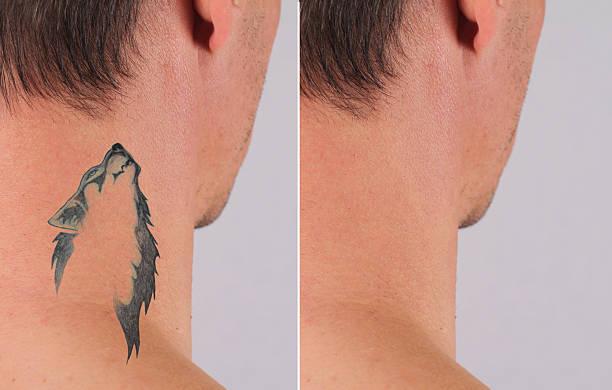
Tattoos can preserve memories, represent personal beliefs, or express creativity, but preferences sometimes change over time. When a tattoo no longer reflects your identity or lifestyle, modern skin treatments can help reduce its appearance. Laser tattoo removal in Riyadh is a widely used procedure that targets unwanted tattoo pigments using specialised laser technology. The treatment breaks ink into smaller particles, allowing the body's natural immune system to gradually clear some of the pigment. Understanding how this process works, what affects results, and how to care for your skin can help you make an informed decision.
Understanding Tattoo Ink Beneath the Skin
When a tattoo is created, needles deposit ink into the dermis, the layer of skin beneath the surface. These pigment particles are too large for the body's immune system to remove completely at once, which is why tattoos usually remain visible for years. Over time, some ink may fade naturally, but much of it stays within the skin. Key point: Tattoo removal works by targeting the pigment stored in the dermis rather than simply cleaning the skin's surface.
How Laser Technology Targets Tattoo Pigment
Laser tattoo removal uses concentrated pulses of light at selected wavelengths. The pigment absorbs this energy, which produces a rapid effect that breaks larger ink particles into smaller fragments. Different wavelengths may be required to target different colours because tattoo pigments absorb light differently. The surrounding skin can also respond to the treatment, making appropriate laser selection important. Key point: The laser targets tattoo ink selectively, while careful settings help minimise unnecessary damage to surrounding tissue.
How the Body Removes Broken-Down Ink
The Role of the Immune System
After laser treatment breaks down the ink, immune cells help transport and process some of the smaller pigment particles. The body's lymphatic system contributes to clearing this material over time. This natural process continues between sessions, which explains why tattoo fading is gradual rather than immediate. Key point: The laser breaks down the pigment, but the body plays an important role in clearing it.
Why Multiple Sessions Are Necessary
A single session rarely removes an entire tattoo because ink particles vary in size, depth, and composition. The first treatment may fade some areas, while deeper or more resistant pigments remain visible. Additional sessions gradually target the remaining ink. Waiting between appointments allows the skin to recover and the body to process fragmented pigment. Key point: Multiple treatments are usually needed to achieve noticeable fading, and the total number varies between individuals.
Factors That Affect Tattoo Ink Removal
Ink Colour and Composition
Black and dark blue inks often respond well to laser treatment, while some green, yellow, red, and lighter pigments may be more difficult to remove. The precise response depends on the ink formulation and the laser wavelength selected. Key point: A professional assessment helps determine which laser approach may be suitable for the tattoo's colours.
Tattoo Age, Size, and Depth
Older tattoos may sometimes fade more readily because the body has already broken down some pigment. However, age alone does not predict success. Larger tattoos and designs containing dense or deeply deposited ink may need more sessions. Key point: The tattoo's characteristics help determine the likely treatment schedule and expected results.
Skin Tone and Individual Response
Skin tone, sensitivity, healing patterns, and medical history can influence laser selection. Inappropriate settings may increase the risk of burns, scarring, or changes in pigmentation. A qualified practitioner should assess these factors before treatment. Key point: Personalised treatment planning helps support safe care and more realistic expectations.
What Happens During a Laser Tattoo Removal Appointment?
Before treatment, the practitioner examines the tattoo, discusses your goals, and reviews your medical history. Protective eyewear is provided, and the treatment area is prepared. The laser is then applied using settings selected for the tattoo and your skin. You may experience brief snapping or stinging sensations. Temporary redness, swelling, or tenderness can occur afterward. Key point: Knowing what to expect can help you feel more prepared for the procedure.
Essential Aftercare for Healthy Skin
Following treatment, keep the area clean and follow the practitioner's instructions for wound care. Avoid picking scabs or blisters, and protect the treated skin from direct sunlight. Do not apply unapproved products to irritated skin. Seek medical advice if you experience worsening pain, spreading redness, pus, or other signs of infection. Key point: Proper aftercare supports healing and helps reduce the risk of complications.
What Results Can You Expect?
Tattoo removal results vary according to the ink, tattoo depth, laser technology, and individual healing response. Some tattoos fade substantially, while others may leave traces of colour or slight textural changes. Complete removal cannot be guaranteed, and scars may remain in some cases. Key point: Laser tattoo removal in Riyadh can help reduce unwanted tattoo ink, but realistic expectations and consistent aftercare are essential.
Book Your Laser Tattoo Removal Appointment
If you are considering removing an unwanted tattoo, a professional consultation can help you understand the procedure and identify an appropriate treatment plan. Royal Clinic Saudi can help you discuss your concerns, learn about available options, and understand the factors that may affect your results. Contact the clinic to arrange an appointment and receive guidance tailored to your skin and tattoo.
FAQs:
1. How does laser tattoo removal break down ink?
The laser breaks ink into smaller particles that the body gradually clears.
2. Why are multiple laser sessions needed?
Ink depth, colour, and composition mean that several treatments are usually required.
3. Which tattoo colours are easiest to remove?
Black and dark blue inks often respond better than some lighter colours.
4. Does laser tattoo removal damage the skin?
Temporary irritation can occur, and professional treatment helps minimise risks.

 English
 French
 Spanish
 Portuguese
 Deutsch
 Turkish
 Dutch
 Italiano
 Russian
 Romaian
 Portuguese (Brazil)
 Greek