


How to Find Quality PT6A Aircraft Engine Parts
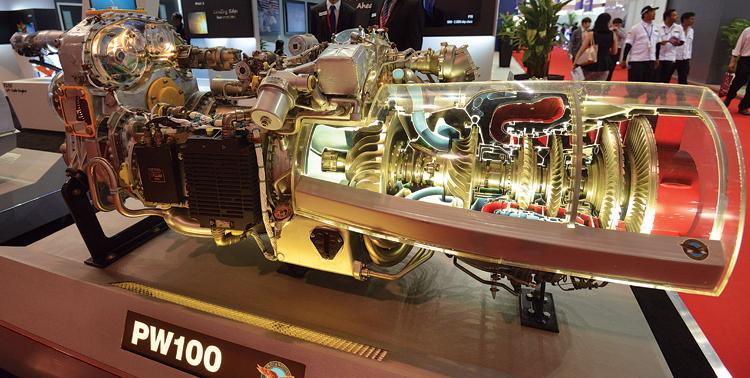
Finding quality aircraft engine parts is an important responsibility for aircraft owners, operators, maintenance organizations, and aviation professionals. When sourcing components for a Pratt & Whitney Canada PT6A engine, buyers must consider more than price and availability. Part identification, documentation, traceability, condition, compatibility, and supplier reliability all play an important role in making an informed purchasing decision.
The PT6A turboprop engine family is widely used across business aviation, regional transportation, agricultural aviation, and utility aircraft. Because different PT6A models and configurations may require different components, selecting the correct replacement part requires careful attention to technical details.
Whether you are sourcing replacement components for scheduled maintenance, addressing an unexpected maintenance requirement, or planning future inventory needs, knowing how to evaluate PT6A aircraft engine parts can help reduce purchasing risks and support effective maintenance planning.
This guide explains what to consider when searching for quality PT6A engine parts, how to evaluate suppliers, and which questions to ask before completing a purchase.
1. Identify the Exact PT6A Engine Model
The first step in finding the right PT6A aircraft engine parts is identifying the exact engine model and configuration.
The PT6A family includes multiple engine models designed for different aircraft applications and operating requirements. Although some components may be used across particular configurations, buyers should never assume that a part suitable for one PT6A model will automatically fit another.
Before contacting a supplier, collect the following information:
-
Complete PT6A engine model designation
-
Engine serial number, where applicable
-
Aircraft make and model
-
Required component description
-
Existing part number, if available
-
Relevant maintenance documentation
-
Any applicable modification or configuration information
Providing accurate details helps suppliers understand the requirement and reduces the possibility of receiving an incorrectly identified component.
For example, a buyer searching for PT6A replacement components should provide the complete engine designation rather than relying only on the general PT6A name. This makes it easier to narrow down the search and confirm whether a particular component is appropriate for the intended application.
Important: Always verify part compatibility using the applicable manufacturer documentation, illustrated parts catalog, maintenance instructions, and other approved technical references. Qualified maintenance personnel should confirm suitability before installation.
2. Understand the Different Types of PT6A Engine Parts
Understanding the type of component you need can make the sourcing process more efficient. PT6A engines contain several systems and assemblies, each with specific functions and maintenance requirements.
Depending on the engine model and maintenance requirement, buyers may need to source components associated with areas such as:
Compressor Section Components
The compressor section plays an important role in preparing airflow for the combustion process. Components associated with this section must meet the applicable technical and dimensional requirements.
When sourcing compressor-related parts, confirm the exact component identification and applicable engine configuration.
Combustion Section Components
The combustion section is responsible for the controlled burning of the fuel-air mixture. Components associated with this area operate under demanding conditions and require careful identification and evaluation.
Buyers should pay particular attention to the required part number, condition, documentation, and maintenance requirements.
Turbine Section Components
Turbine components operate under significant thermal and mechanical demands. Correct identification and documentation are especially important when sourcing components for this section.
Do not select a turbine-related part based solely on visual similarity or a general product description.
Fuel System Components
Fuel system components support the delivery and control of fuel required for engine operation. Their selection must follow the applicable technical specifications and maintenance requirements.
Accessory and Related Components
Depending on the engine configuration, buyers may also need accessory-related components and other supporting hardware.
The important point is to identify the exact component required before beginning the purchasing process. A detailed requirement helps suppliers provide more relevant information and allows maintenance teams to evaluate the proposed part more effectively.
3. Verify Part Numbers and Technical Compatibility
Part number verification is one of the most important steps when purchasing PT6A aircraft engine parts.
A component may look similar to another part but still differ in its design, configuration, approved application, or technical requirements. Selecting a part based only on appearance can create unnecessary delays and potential maintenance complications.
Before placing an order, check:
-
The complete part number
-
Applicable engine model and configuration
-
Manufacturer documentation
-
Supersession or replacement information, where applicable
-
Approved interchangeability information
-
Relevant modification status
-
Any applicable limitations or installation requirements
If a supplier provides an alternative part number, ask for supporting documentation explaining the relationship between the requested and proposed components.
Do not assume that a superseded part number or an apparently equivalent component is automatically interchangeable. Confirm the applicable information through authoritative technical documentation and qualified maintenance personnel.
Accurate part identification helps buyers avoid ordering components that cannot be used for the intended maintenance requirement.
4. Evaluate the Supplier Before Purchasing
Finding a quality PT6A engine component also means finding a supplier that can provide clear product information and support the purchasing process.
Not all suppliers offer the same level of product detail, documentation, communication, or sourcing assistance. Buyers should evaluate suppliers carefully instead of making decisions based entirely on the lowest quoted price.
Consider the following factors when reviewing a supplier:
Aviation Industry Experience
Look for suppliers with relevant experience in aviation parts sourcing. Familiarity with aircraft engine components can help make communication more effective, particularly when requirements involve specific part numbers, engine models, or technical documentation.
Clear Product Information
A professional supplier should be able to provide available information about the requested component, including its identification, condition, and relevant documentation.
Responsive Communication
A supplier should communicate clearly about quotations, product details, documentation requests, lead times, and order requirements.
Transparent Purchasing Information
Before committing to a purchase, request written information covering the quoted component, quantity, condition, price, shipping arrangements, and any applicable terms.
Documentation Support
Ask what records and supporting documents are available for the specific component. Documentation requirements can vary according to the part, its condition, applicable regulations, and the intended use.
A supplier's willingness to answer reasonable questions can help buyers make a more informed decision.
5. Check Component Condition and Traceability
PT6A engine parts may be offered in different conditions. Understanding these descriptions is essential before making a purchasing decision.
Common aviation parts condition categories may include:
New: A component represented as new. Buyers should confirm its actual condition, packaging, applicable documentation, and status.
Overhauled: A component that has undergone an overhaul process in accordance with applicable requirements. Request the relevant overhaul documentation and supporting records.
Serviceable: A component represented as suitable for service, subject to the applicable maintenance and acceptance requirements. Confirm the evidence supporting its serviceable status.
Repaired: A component that has undergone an approved or otherwise applicable repair process. Review the associated repair documentation and determine whether it meets the requirements for the intended application.
As Removed: A component removed from an engine or aircraft. Its previous installation does not automatically establish that it is suitable for reuse.
Condition descriptions should never be accepted without appropriate verification.
Traceability is equally important. Depending on the component and applicable requirements, buyers may need supporting records such as authorized release documentation, maintenance records, identification information, or other relevant records.
Ask the supplier to clarify exactly which documents accompany the component. Have the documentation reviewed by the responsible maintenance organization or qualified personnel before accepting the part for installation.
6. Compare Price, Availability, and Lead Times
Price is an important part of the purchasing decision, but it should not be the only deciding factor.
A lower-priced PT6A engine part may not represent the best overall value if its condition is unclear, its documentation is incomplete, or its compatibility has not been established.
When comparing quotations, consider:
-
Quoted part number and description
-
Engine model applicability
-
Component condition
-
Available documentation
-
Quantity offered
-
Price and applicable charges
-
Estimated lead time
-
Shipping arrangements
-
Return and warranty terms, where offered
It is also useful to distinguish between an immediate maintenance requirement and a planned inventory purchase.
For an urgent requirement, accurate identification and realistic lead-time information may be especially important. For planned purchasing, buyers may have more flexibility to compare sourcing options and evaluate the available documentation.
Request written quotations so that different suppliers can be compared using the same component specifications and purchasing requirements.
7. Ask the Right Questions Before Placing an Order
Asking specific questions can help clarify important details before a purchase is finalized.
Consider asking the supplier:
-
Can you confirm the exact part number being quoted?
-
Which PT6A engine models or configurations is the component applicable to?
-
What is the current condition of the component?
-
What documentation is available?
-
Can the component's identification and traceability be verified?
-
Is the quoted quantity currently available?
-
What is the estimated delivery lead time?
-
What are the applicable shipping and purchasing terms?
-
Are any return or warranty provisions available?
-
Can you provide additional product information for technical review?
These questions help establish a clearer understanding of the proposed component and reduce uncertainty during the purchasing process.
A professional purchasing process should give buyers enough information to evaluate the component before making a commitment.
8. Avoid Common Mistakes When Sourcing PT6A Parts
Even experienced aviation buyers can encounter problems when sourcing engine components. A structured purchasing process helps reduce avoidable mistakes.
Buying Based Only on Price
The lowest quotation may not offer the best value. Compare condition, documentation, compatibility, and purchasing terms alongside price.
Ignoring the Exact Engine Model
The general PT6A designation is not enough to establish component compatibility. Confirm the complete engine model and configuration.
Accepting Unverified Interchangeability
Never assume that two components are interchangeable because they look similar or have related descriptions. Request supporting technical documentation.
Overlooking Component Documentation
A component's condition and traceability should be supported by appropriate records. Clarify documentation requirements before placing an order.
Not Confirming Availability
A website listing or initial quotation does not necessarily confirm current stock or immediate shipment. Request direct confirmation of availability and lead time.
Rushing the Purchasing Process
Urgent maintenance requirements can create pressure to purchase quickly. However, accurate identification, documentation review, and compatibility verification should remain essential parts of the process.
9. Work With a Supplier That Understands Your Requirements
Sourcing aviation engine components involves more than finding a product listing. Buyers need clear communication, accurate identification, and sufficient information to evaluate whether a component meets their requirements.
A supplier familiar with aviation parts sourcing can help make the inquiry process more organized by reviewing the requested part information, clarifying product details, and communicating the available purchasing information.
When contacting a supplier, provide as much relevant information as possible. A complete inquiry can help reduce unnecessary back-and-forth communication and make it easier to evaluate suitable sourcing options.
For buyers searching for PT6A engine parts for sale, UTP Parts provides an online starting point for exploring PT6A engine parts and submitting component inquiries.
Before purchasing, ensure that the proposed component's part number, condition, documentation, and technical applicability have been independently verified for the intended engine and maintenance task.
10. Build a More Reliable PT6A Parts Purchasing Process
Finding quality PT6A aircraft engine parts becomes easier when buyers follow a consistent sourcing process.
Start by identifying the exact engine model and required component. Verify the part number using the applicable technical references. Request information about component condition, documentation, and traceability. Evaluate the supplier's communication and purchasing terms. Finally, have the proposed component reviewed by qualified maintenance personnel before accepting it for installation.
This approach helps aircraft owners, operators, procurement teams, and maintenance organizations make better-informed sourcing decisions.
A reliable purchasing process also supports maintenance planning by helping teams identify requirements earlier, compare available options, and reduce uncertainty when sourcing important engine components.
Conclusion
Finding quality PT6A aircraft engine parts requires careful research, accurate component identification, and attention to documentation. Buyers should consider engine compatibility, part numbers, component condition, traceability, supplier communication, price, and lead times before completing a purchase.
The right sourcing decision is not simply about finding the cheapest available component. It is about obtaining the correct part, supported by appropriate information and documentation, for the intended engine configuration and maintenance requirement.
Whether you are sourcing components for scheduled maintenance or responding to an immediate requirement, a structured purchasing process can help you make more confident decisions.

 English
 Arabic
 French
 Spanish
 Portuguese
 Deutsch
 Turkish
 Dutch
 Russian
 Romaian
 Portuguese (Brazil)
 Greek