


Pocket Knife vs Taser Gun: Which Self-Defense Tool Is Right for You?
Personal safety has become a growing concern for many people, whether they are commuting to work, traveling, enjoying outdoor activities, or simply going about their daily routines. As a result, self-defense tools have gained significant popularity among individuals looking for practical ways to enhance their personal security.
Among the most commonly discussed self-defense options are the pocket knife and the taser gun. Both tools offer unique advantages, but they serve different purposes and require different levels of skill, awareness, and responsibility. Choosing between them can be challenging, especially for first-time buyers who want an effective solution for personal protection.
If you are considering adding a self-defense tool to your everyday carry setup, understanding the differences between a pocket knife and a taser gun can help you make a more informed decision.
Understanding Pocket Knives
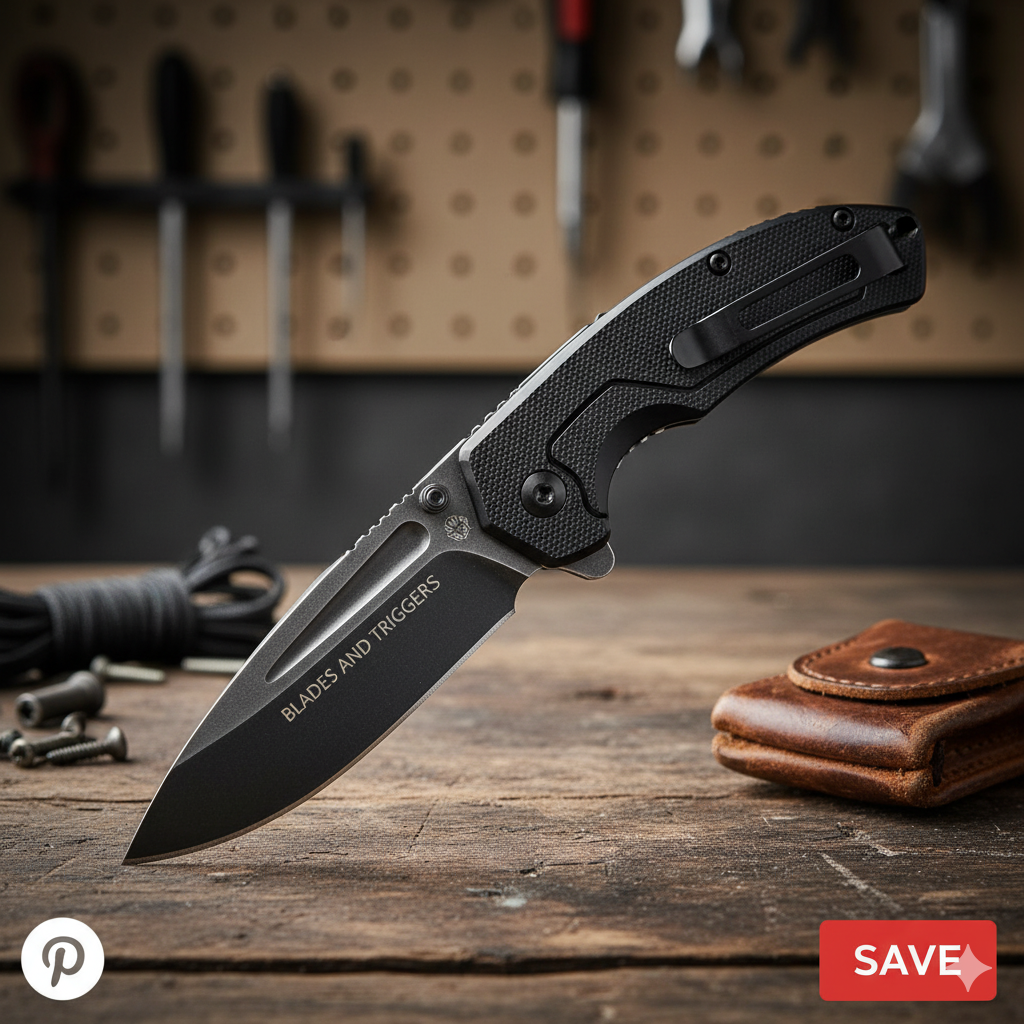
A pocket knife is a folding blade designed to be carried conveniently in a pocket, bag, or utility pouch. While many people associate pocket knives with outdoor activities such as camping and hiking, they are also widely used for everyday tasks including opening packages, cutting rope, food preparation, and emergency situations. Pocket knives are valued for their versatility and practicality.
Modern pocket knives come in a wide range of styles, blade shapes, locking mechanisms, and handle materials. Many users choose them because they serve multiple purposes beyond self-defense.
Advantages of Pocket Knives
Multi-Purpose Functionality
One of the biggest benefits of carrying a pocket knife is its utility. Unlike many dedicated self-defense tools, a pocket knife can be used throughout the day for various practical tasks.
Easy Everyday Carry
Most folding knives are compact and lightweight, making them convenient for everyday carry. Many models include pocket clips for quick access.
Durable Construction
Quality pocket knives are built from strong blade steels and durable handle materials, allowing them to withstand years of regular use.
No Batteries Required
Unlike electronic self-defense devices, pocket knives do not rely on batteries or charging systems. They remain ready for use whenever needed.
Disadvantages of Pocket Knives
Requires Close Contact
A pocket knife can only be effective at extremely close range, which may place the user in greater danger during a confrontation.
Requires Training
Using a knife safely and effectively requires proper training and situational awareness. Improper use can increase the risk of injury to both the user and others.
Legal Restrictions
Knife laws vary significantly between regions. Blade length restrictions and carry regulations should always be checked before purchasing or carrying a knife.
Understanding Taser Guns
A taser gun, commonly referred to as a stun gun in many consumer markets, is an electronic self-defense device designed to deliver an electrical charge that can temporarily disrupt muscle function and create an opportunity to escape from danger. Modern stun devices are often compact, rechargeable, and easy to carry.
Many people choose taser guns because they provide a non-lethal self-defense option and may help create distance from an attacker.
Advantages of Taser Guns
Non-Lethal Self-Defense Option
One of the primary reasons people prefer taser guns is that they are designed to incapacitate temporarily rather than cause permanent harm.
Psychological Deterrent
The visible electrical arc and distinctive sound can serve as a deterrent, potentially discouraging an attacker before physical contact occurs.
Easy to Use
Most modern stun guns feature simple activation mechanisms that make them accessible to a wide range of users.
Compact and Portable
Many taser gun models are designed to fit easily into pockets, handbags, or vehicle compartments.
Disadvantages of Taser Guns
Battery Dependence
Electronic devices require regular charging and maintenance to ensure reliability.
Range Limitations
Many civilian stun guns require direct contact with the attacker, meaning users must still be within close range.
Legal Considerations
Regulations regarding taser guns differ significantly depending on local laws and jurisdictions.
Pocket Knife vs Taser Gun: Key Differences
When comparing these two self-defense tools, several important factors should be considered.
Effectiveness
A pocket knife can be highly effective but requires close proximity and substantial training. A taser gun may provide a brief opportunity to escape without relying on physical strength, although effectiveness depends on proper use and device limitations.
Versatility
Pocket knives clearly outperform taser guns when it comes to daily utility. They can be used for countless everyday tasks, whereas taser guns are designed almost exclusively for personal protection.
Maintenance
Pocket knives require occasional cleaning and sharpening. Taser guns require battery management and regular charging.
Accessibility
Both tools are available in compact designs, but taser guns may be easier for beginners to use due to their straightforward operation.
Risk Level
Pocket knives can escalate confrontations because they involve edged blades. Many self-defense experts emphasize that awareness, avoidance, and escape remain the safest priorities regardless of the tool chosen.
Choosing the Right Self-Defense Tool
The best self-defense tool depends on your individual needs, lifestyle, and comfort level.
You may prefer a pocket knife if:
-
You want a multi-purpose everyday carry tool.
-
You spend time outdoors or camping.
-
You value durability and reliability.
-
You are willing to learn proper handling techniques.
You may prefer a taser gun if:
-
You want a non-lethal defensive option.
-
You prefer an electronic deterrent.
-
You want a simple device focused primarily on personal protection.
-
You are comfortable maintaining and charging the device regularly.
For those looking to explore quality options, a reliable pocket knife can serve both practical and emergency purposes, while a dependable taser gun may offer added confidence in personal safety situations.
Responsible Ownership and Training
Regardless of which option you choose, ownership comes with responsibility. Self-defense tools should only be used when legally justified and as a last resort. Understanding local laws, practicing safe handling, and receiving proper training are essential steps for responsible ownership.
Many self-defense professionals recommend focusing first on situational awareness, conflict avoidance, and escape strategies before relying on any defensive tool.
Conclusion
The debate between a pocket knife and a taser gun ultimately comes down to personal preference, intended use, and comfort level. Pocket knives offer unmatched versatility and everyday utility, making them valuable tools for a variety of situations. Taser guns, on the other hand, provide a specialized non-lethal self-defense option designed to help create an opportunity to escape from danger.
Before making a purchase, consider your environment, local regulations, experience level, and self-defense goals. Whether you choose a pocket knife, a taser gun, or another personal safety tool, responsible ownership and proper training remain the most important factors in maximizing personal security.
Frequently Asked Questions (FAQs)
1. Is a pocket knife legal to carry for self-defense?
Knife laws vary by country, state, and municipality. Always check local regulations regarding blade length, carry restrictions, and permitted uses before carrying a pocket knife.
2. Are taser guns effective for personal protection?
Taser guns and stun guns can be effective self-defense tools when used properly, but effectiveness depends on the device, user training, and circumstances of the encounter.
3. Which is better for everyday carry, a pocket knife or a taser gun?
A pocket knife offers greater utility for everyday tasks, while a taser gun is specifically designed for self-defense. The better option depends on your individual needs.
4. Do pocket knives require maintenance?
Yes. Pocket knives should be cleaned regularly, lubricated when necessary, and sharpened to maintain optimal performance.
5. Do stun guns need charging?
Most modern stun guns are rechargeable and should be checked regularly to ensure they are ready for use when needed.
6. Can beginners carry a pocket knife or taser gun?
Yes, but proper education, training, and understanding of local laws are strongly recommended before carrying any self-defense tool.

 English
 Arabic
 Spanish
 Portuguese
 Deutsch
 Turkish
 Dutch
Dutch
 Italiano
 Russian
 Romaian
 Portuguese (Brazil)
 Greek
Greek