


PT6A-27/28 Engines Buying Guide for Aircraft Operators
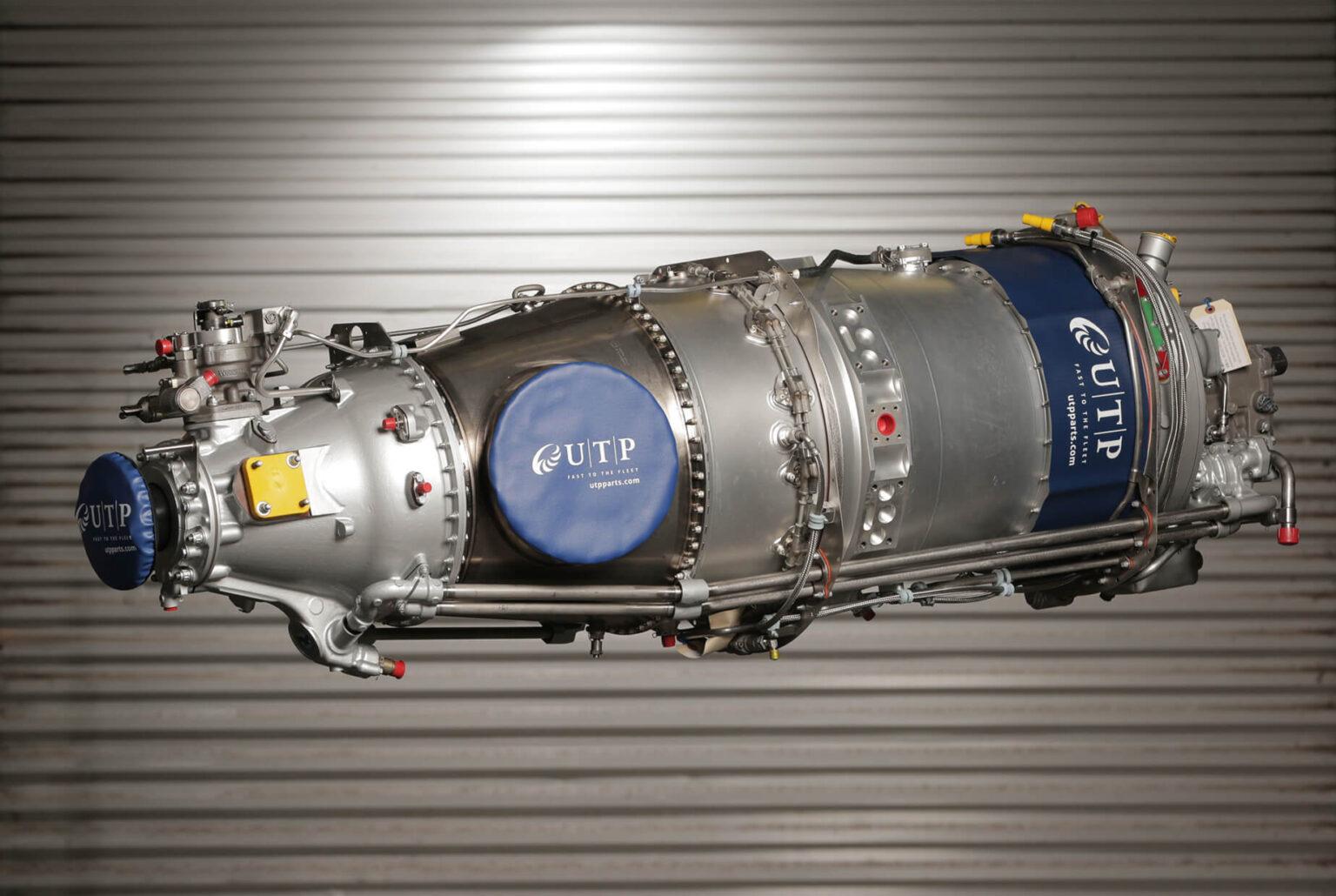
If you are looking right aircraft engine requires more than comparing prices or identifying a familiar engine model. Aircraft operators, maintenance organizations, and aviation procurement professionals must consider engine configuration, application compatibility, technical documentation, maintenance history, and supplier reliability before making a purchasing decision.
The PT6A-27 and PT6A-28 are variants within the widely recognized Pratt & Whitney Canada PT6A turboprop engine family. Buyers researching PT6A-27/28 Engines should understand the importance of selecting an engine that matches their aircraft requirements and approved configuration.
This guide explains the major considerations involved in sourcing these engines and preparing for a responsible purchasing decision.
Understanding PT6A-27/28 Engines
The PT6A engine family is known for its use in turboprop aircraft applications. Different PT6A variants have specific configurations and application requirements, so buyers should never assume that two engines are interchangeable simply because they belong to the same engine family.
Before contacting a supplier, identify the exact engine model required for your aircraft.
Important identification details may include:
-
Engine model and dash number
-
Engine serial number, where applicable
-
Aircraft make and model
-
Aircraft configuration
-
Applicable engine and aircraft documentation
-
Installation and compatibility requirements
These details help buyers and qualified technical personnel determine whether a particular engine is suitable for the intended application.
1. Confirm Aircraft Compatibility
Compatibility should be one of the first considerations when purchasing an aircraft engine.
Even engines within the same product family can have differences in configuration, accessories, ratings, installation requirements, and approved applications.
Before proceeding, confirm:
-
The engine model specified for your aircraft.
-
Applicable aircraft and engine configuration requirements.
-
Relevant approved technical data.
-
Required accessories and associated equipment.
-
Any modifications or configuration limitations.
Consult the aircraft and engine documentation, maintenance organization, and appropriately qualified technical personnel before finalizing compatibility.
2. Understand Engine Condition and Status
An engine's advertised condition should be supported by appropriate documentation.
Depending on the transaction, buyers may encounter descriptions such as new, used, serviceable, overhauled, or requiring maintenance. These descriptions should not be treated as interchangeable.
Request supporting information that explains the engine's actual status.
Useful information may include:
-
Available maintenance records.
-
Overhaul documentation, where applicable.
-
Relevant inspection reports.
-
Operating history and recorded hours, where available.
-
Applicable airworthiness documentation.
-
Known discrepancies or outstanding requirements.
Do not rely exclusively on a short product description. Have the available records reviewed by qualified personnel.
3. Evaluate Documentation and Traceability
Documentation is an essential part of aircraft engine procurement.
Buyers should establish what records accompany the engine and whether those records adequately support its identification, history, and status.
Depending on the engine and transaction, relevant documentation may include:
-
Engine identification information.
-
Maintenance and inspection records.
-
Overhaul records.
-
Applicable release documentation.
-
Modification and repair history.
-
Supporting component documentation.
The exact documentation requirements depend on the jurisdiction, engine status, and intended use.
Ask the supplier to clarify which records are available before committing to a purchase.
4. Compare the Complete Purchasing Cost
The lowest advertised price does not necessarily represent the best purchasing decision.
Buyers should evaluate the complete acquisition cost rather than comparing headline prices alone.
Consider:
-
Engine purchase price.
-
Inspection or evaluation costs.
-
Transportation and shipping.
-
Import duties and applicable taxes.
-
Required accessories or associated components.
-
Installation-related costs.
-
Any additional maintenance or technical requirements.
Request a clear quotation that identifies what is included and what is excluded.
This helps purchasing teams compare proposals more accurately and avoid unexpected expenses.
5. Select a Reliable Aviation Parts Supplier
A dependable supplier should communicate clearly about product identification, documentation, availability, and purchasing requirements.
Before proceeding, evaluate whether the supplier can provide:
-
Clear engine identification information.
-
Accurate descriptions of the offered condition.
-
Available supporting documentation.
-
Transparent commercial terms.
-
Responsive communication.
-
Information about shipping and transaction procedures.
Ask questions whenever a listing contains incomplete or unclear information.
6. Prepare a Pre-Purchase Checklist
Before approving a PT6A-27 or PT6A-28 engine purchase, organize the following information:
This checklist creates a more structured procurement process.
Why Work With UTP Parts?
Aircraft engine sourcing requires accurate product information, clear communication, and attention to documentation.
UTP Parts supports aviation procurement research and sourcing inquiries for aircraft parts and engine-related requirements. Buyers evaluating PT6A-27/28 Engines can contact UTP Parts to discuss their requirements and request information about relevant sourcing opportunities.
Conclusion
Purchasing PT6A-27/28 Engines requires careful evaluation of aircraft compatibility, engine identification, condition, documentation, and supplier reliability.
A structured buying process helps aircraft operators and aviation purchasing teams make better-informed decisions while reducing the risk of incomplete information or unsuitable procurement choices.

 English
 Arabic
 French
 Spanish
 Portuguese
 Deutsch
 Turkish
 Dutch
 Russian
 Romaian
 Portuguese (Brazil)
 Greek