


Forceps vs Tweezers: Understanding the Key Differences and Uses
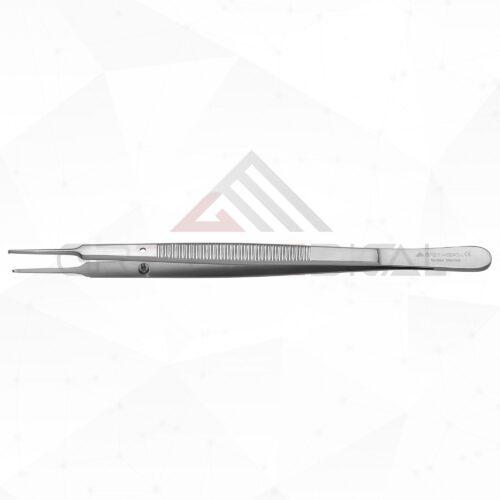
When comparing forceps vs tweezers, it is important to understand that both instruments are designed for gripping, holding, and handling small objects, but they serve different purposes. Although they may look similar at first glance, their design, functionality, and applications vary depending on the task. From medical procedures to laboratory work and everyday applications, choosing forceps vs tweezers helps ensure better control, accuracy, and efficiency.
What Are Forceps?
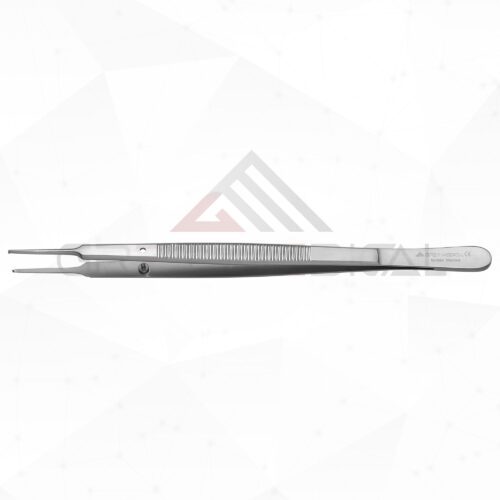
Forceps are specialized instruments commonly used in medical, surgical, and dental environments. They are designed to grasp, hold, lift, or manipulate tissues and other materials during procedures. Most forceps feature two arms connected at one end, allowing users to apply controlled pressure when gripping an object.
Different types of forceps are available for specific applications. Surgical forceps, for example, help medical professionals handle tissues, while dressing forceps are used to hold gauze, cotton, and other medical materials. Their tips may be straight, curved, serrated, or smooth, depending on their intended purpose.
What Are Tweezers?
Tweezers are small handheld tools used for picking up, holding, and removing tiny objects. They typically feature two narrow arms joined at one end, which come together when pressure is applied. Their simple design makes them useful in medical settings, laboratories, beauty applications, electronics, and general precision work.
Medical tweezers are often used to handle small materials, remove foreign particles, or assist with delicate tasks. They are available in different shapes and sizes, including pointed, flat, and angled designs. Each style offers a different level of precision and control.
Forceps vs Tweezers: What Are the Main Differences?
The main difference between forceps vs tweezers is their intended application, construction, and level of control. Although both instruments use a pinching mechanism, forceps are generally designed for specialized medical and surgical tasks, while tweezers are commonly used for handling smaller objects and performing detailed work.
Forceps may include locking mechanisms, finger rings, or ratchet systems that help maintain a secure grip during procedures. Tweezers usually rely on direct finger pressure and do not typically include locking features.
Another important difference is their range of applications. Forceps are widely used in surgery, dentistry, and clinical environments, whereas tweezers are common in laboratories, cosmetic procedures, and precision-based activities.
How to Choose the Right Instrument
Selecting between forceps and tweezers depends on the specific task. Consider the size of the object, the required gripping strength, the level of precision, and the working environment.
For surgical procedures involving tissue manipulation, appropriately designed forceps are generally more suitable. For handling tiny objects or performing delicate tasks, precision tweezers may be the better option. Material quality, ergonomic design, sterilization compatibility, and durability should also be considered when selecting professional instruments.
Why Instrument Quality Matters
High-quality instruments support accuracy, consistency, and reliable performance. Medical professionals should select instruments manufactured from suitable materials, with carefully finished tips and comfortable handling designs. Proper cleaning, sterilization, inspection, and maintenance are equally important for maintaining instrument performance.
Grey Medical® is a privately owned medical technology company dedicated to innovation and excellence in the craft of mayo scissors surgical instruments. Its commitment to precision and quality reflects the importance of dependable instruments in professional medical environments.
Conclusion
Understanding forceps vs tweezers makes it easier to select the right instrument for different applications. While forceps are commonly associated with surgical and medical procedures, tweezers are valued for precision handling and delicate tasks. Both instruments play important roles in professional environments, and choosing the appropriate design can improve control, accuracy, and overall efficiency.

 English
 Arabic
 Spanish
 Portuguese
 Deutsch
 Turkish
 Dutch
 Italiano
 Russian
 Romaian
 Portuguese (Brazil)
 Greek