


HIV Blood Test After Unprotected Sex: Important Things to Know
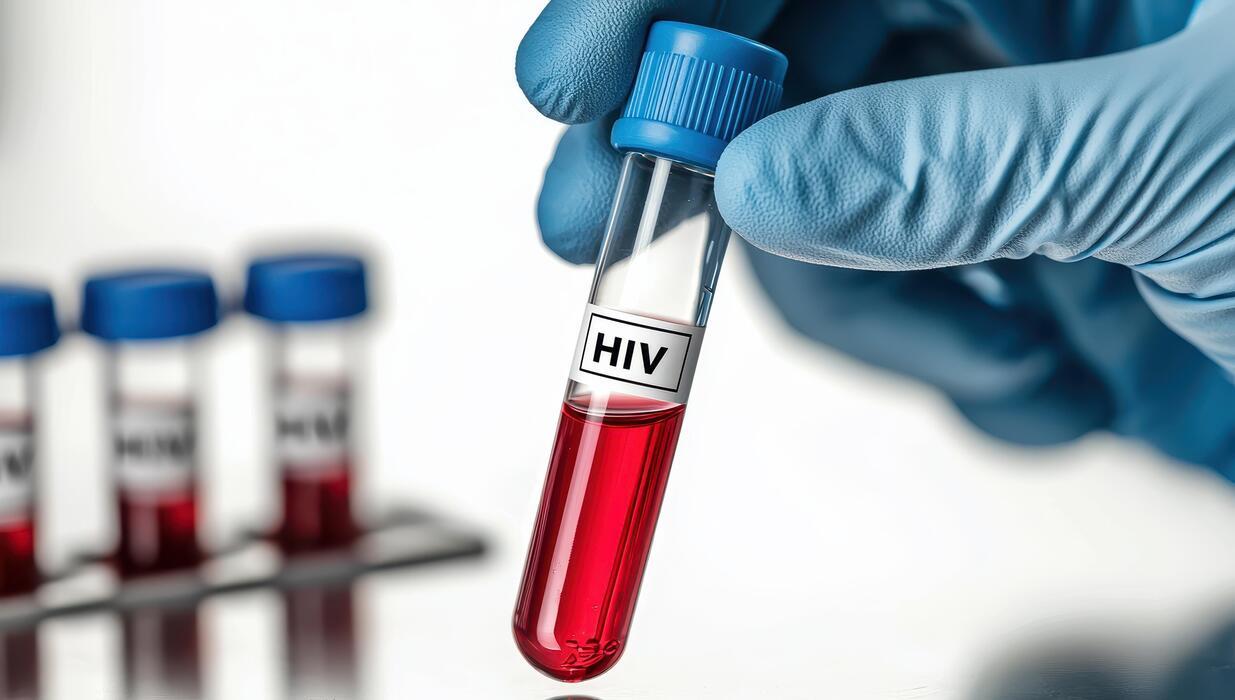
Unprotected sex can raise concerns about sexually transmitted infections, particularly HIV. Whether a condom broke, you had sex without a condom, or you are unsure about your partner's HIV status, getting the right information is essential for protecting your health. One of the most reliable ways to understand your HIV status is through an HIV blood test.
However, taking an HIV Blood Test in Dubai immediately after unprotected sex does not always provide an accurate result. HIV testing depends on the type of test, the time since exposure, and the body's response to infection. Understanding the HIV testing window period, available blood tests, and recommended follow-up testing can help you make informed decisions.
This guide explains when to get an HIV blood test after unprotected sex, which testing method is most reliable, what early symptoms may indicate, and what steps to take if you are concerned about possible HIV exposure.
Why Is HIV Testing Important After Unprotected Sex?
Human immunodeficiency virus (HIV) affects the immune system by attacking CD4 cells, which help the body fight infections. HIV can spread through certain bodily fluids, including blood, semen, vaginal fluids, rectal fluids, and breast milk.
Unprotected vaginal or anal sex can create a risk of HIV transmission, especially when one partner has HIV and does not have a sustained undetectable viral load.
Getting tested after a possible HIV exposure is important because:
-
It helps identify HIV infection at an early stage.
-
It provides information about your current HIV status.
-
It allows you to access medical care and treatment if necessary.
-
It helps prevent further transmission.
-
It provides an opportunity to discuss other sexually transmitted infections (STIs).
Early HIV diagnosis is particularly valuable because modern antiretroviral therapy (ART) allows people living with HIV to maintain good health and achieve an undetectable viral load.
When Should You Take an HIV Blood Test After Unprotected Sex?
Timing is one of the most important factors when considering an HIV blood test. HIV cannot be detected immediately after exposure because the virus and the body's immune response need time to reach detectable levels.
This period is known as the HIV window period.
Different HIV tests have different detection windows:
| HIV Test Type | Typical Detection Window |
|---|---|
| HIV RNA or NAT test | 10–33 days |
| Laboratory fourth-generation test | 18–45 days |
| Rapid antigen/antibody finger-stick test | 18–90 days |
| HIV antibody test | 23–90 days |
These ranges reflect typical detection periods in people who have not taken antiretroviral medications that may affect detection.
A laboratory-based fourth-generation HIV test is commonly preferred because it detects both HIV antibodies and the p24 antigen.
Important: An early negative HIV result does not necessarily rule out infection. Follow-up testing after the relevant window period is necessary to obtain a reliable result.
Which HIV Blood Test Is Best After Sexual Exposure?
Several HIV testing methods are available. Your healthcare provider can recommend an appropriate test based on how recently the possible exposure occurred.
Fourth-Generation HIV Antigen/Antibody Test
The fourth-generation HIV test is widely used for laboratory screening. It detects two markers:
-
HIV antibodies produced by the immune system.
-
HIV p24 antigen, a protein associated with the virus.
Because it detects both markers, this test can identify infection earlier than antibody-only tests.
A laboratory fourth-generation HIV test using blood from a vein generally has a detection window of 18–45 days after exposure.
HIV RNA Test (NAT)
A nucleic acid test (NAT), sometimes called an HIV RNA test, detects the virus's genetic material in the blood.
It can usually detect HIV approximately 10–33 days after exposure.
Healthcare professionals may recommend this test when someone has had a recent possible exposure or symptoms suggesting acute HIV infection.
HIV Antibody Test
An antibody test checks whether the immune system has produced antibodies against HIV.
It is available through laboratory testing, rapid testing, and some home testing kits. However, antibody tests generally take longer to detect infection than fourth-generation tests.
Their typical detection window is 23–90 days.
Can an HIV Test Be Accurate 7 Days After Unprotected Sex?
Many people want to know whether they can receive an accurate HIV result just one week after unprotected sex.
Although testing is possible after seven days, most standard HIV tests cannot reliably exclude a recent infection at this stage.
An HIV RNA test may detect some infections relatively early, but its typical detection window begins around 10 days after exposure.
A fourth-generation HIV blood test generally requires more time before it can detect infection.
Therefore, a negative result after seven days should not be considered conclusive. A healthcare professional may recommend an early assessment followed by repeat testing at the appropriate time.
What Should You Do Within 72 Hours of Unprotected Sex?
If you think you may have been exposed to HIV within the last 72 hours, do not wait for symptoms or a routine blood test.
Ask a healthcare professional about post-exposure prophylaxis (PEP).
PEP is a short course of antiretroviral medication taken after a possible HIV exposure to reduce the chance of infection.
Important facts about PEP include:
-
Treatment should begin as soon as possible, ideally within 24 hours.
-
It must be started no later than 72 hours after exposure.
-
The recommended treatment course is generally 28 days.
-
A healthcare professional must assess whether PEP is appropriate.
PEP is not a substitute for HIV testing. You will still need baseline and follow-up testing according to your healthcare provider's recommendations.
If you are within the 72-hour period, seek urgent medical attention rather than waiting for a test appointment.
Are There Early HIV Symptoms After Unprotected Sex?
Some people develop early HIV symptoms within approximately two to four weeks after infection. This stage is sometimes called acute HIV infection.
Possible symptoms include:
-
Fever
-
Sore throat
-
Swollen lymph nodes
-
Skin rash
-
Headache
-
Muscle aches
-
Night sweats
-
Fatigue
-
Mouth ulcers
However, not everyone experiences symptoms.
These signs are also associated with many common infections, including influenza and other viral illnesses.
Having symptoms does not confirm HIV infection, and having no symptoms does not mean you are HIV-negative.
The only reliable way to determine your HIV status is through appropriate testing.
What Happens If Your HIV Blood Test Is Negative?
A negative HIV test can be reassuring, but its reliability depends on when you took the test and which testing method was used.
If you test negative before the end of the relevant window period, your healthcare provider may recommend repeating the test.
For example:
-
An early test can establish your baseline HIV status.
-
A laboratory fourth-generation test can usually detect infection within 18–45 days.
-
Antibody-only tests may require up to 90 days.
If you have taken PEP, your follow-up testing schedule may be different. Current CDC recommendations include interim and final testing, generally at 4–6 weeks and 12 weeks after exposure.
A negative result is considered reliable when the appropriate window period has passed, recommended follow-up testing has been completed, and there have been no new potential exposures.
What If Your HIV Test Result Is Positive?
A reactive HIV screening result does not automatically mean you have a confirmed HIV diagnosis.
Additional laboratory testing is required to confirm the result.
If HIV infection is confirmed, your healthcare provider can help you begin antiretroviral therapy as soon as possible.
Modern HIV treatment can reduce the amount of virus in the blood to an undetectable level. People who maintain an undetectable viral load do not transmit HIV through sex. This is commonly explained through the U=U principle, meaning Undetectable = Untransmittable.
An HIV diagnosis is manageable with appropriate medical care, and early treatment can support a long and healthy life.
Should You Get Tested for Other STIs After Unprotected Sex?
HIV is not the only infection that can spread through unprotected sexual contact.
Depending on the type of exposure, your healthcare provider may recommend screening for:
-
Syphilis
-
Gonorrhea
-
Chlamydia
-
Hepatitis B
-
Hepatitis C
These infections can sometimes occur without noticeable symptoms.
Your doctor may recommend blood tests, urine tests, or swab samples depending on your sexual history and exposure.
Testing for multiple STIs helps provide a more complete picture of your sexual health.
How Can You Reduce the Risk of HIV in the Future?
Taking preventive measures can significantly reduce the risk of HIV transmission.
Consider the following precautions:
-
Use condoms correctly during vaginal and anal sex.
-
Consider pre-exposure prophylaxis (PrEP) if you have ongoing potential HIV exposure.
-
Get regular HIV and STI screening based on your risk.
-
Avoid sharing needles or injection equipment.
-
Discuss sexual health and HIV testing with your partner.
-
Seek medical advice immediately after a potential HIV exposure.
PrEP is a preventive medication for people who may have an ongoing risk of HIV exposure. Unlike PEP, which is used after a possible exposure, PrEP is taken before potential exposure.
Frequently Asked Questions About HIV Blood Tests After Unprotected Sex:
Can I take an HIV blood test the next day after unprotected sex?
Yes, you can take a baseline HIV test the next day. However, it cannot rule out infection from the sexual encounter that happened the previous day because the virus may not yet be detectable.
Is a fourth-generation HIV test accurate after 28 days?
A fourth-generation laboratory HIV test can detect many infections by 28 days, but its full detection window extends to 45 days. A negative result at 28 days should be followed by testing after the complete window period.
Can HIV be detected after 14 days?
An HIV RNA test may detect infection within its 10–33-day window. However, a negative result at 14 days cannot reliably exclude infection. Other tests may require additional time.
Does a negative HIV test after 90 days mean I am safe?
A negative result after 90 days is generally considered conclusive for the exposure when an appropriate antibody test has been used, there have been no further exposures, and antiretroviral medications have not affected the testing schedule. Follow your healthcare provider's advice if you have taken PEP or PrEP.
Can I get HIV without experiencing symptoms?
Yes. Many people with HIV do not experience noticeable symptoms during the early stages. HIV testing is essential because symptoms alone cannot establish your status.
Final Thoughts:
Getting an HIV blood Lab tests after unprotected sex is an important step toward protecting your health. However, choosing the right testing time and understanding the HIV window period are just as important as taking the test itself.
A laboratory-based fourth-generation HIV test is a commonly recommended screening option, while an HIV RNA test may help detect infection earlier in certain situations. If a possible exposure occurred within the last 72 hours, seek urgent medical advice about PEP.
Remember that HIV is manageable with modern treatment, and early diagnosis makes a meaningful difference. Rather than relying on symptoms or an early negative result, follow an appropriate testing schedule and consult a qualified healthcare professional for accurate guidance.

 English
 Arabic
 French
 Portuguese
 Deutsch
 Turkish
 Dutch
 Italiano
 Russian
 Romaian
 Portuguese (Brazil)
 Greek