


Preparing Buildings for Changing Security Needs: The Future of Scalable Card Access Management
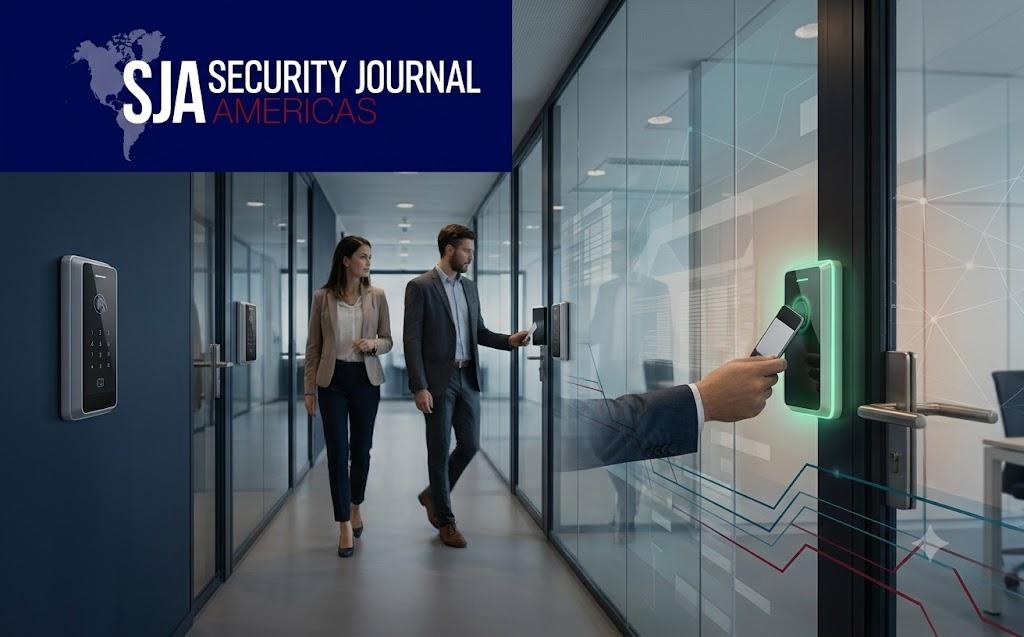
Buildings rarely remain unchanged throughout their operational life. New departments are introduced, additional floors become occupied, employee numbers increase and security requirements evolve alongside business activities.
An access arrangement that works for a small facility may become difficult to manage when the property expands or additional locations are introduced.
This makes scalability an important consideration when selecting electronic entry technology. Card access control systems can provide a foundation for adaptable building security by allowing administrators to update permissions, manage additional access points and accommodate changing operational requirements.
Why Scalability Matters in Building Security
Security infrastructure should support both current requirements and future developments.
A growing facility may need additional entrance readers, new restricted areas, separate employee permissions and more comprehensive monitoring arrangements.
If the original access infrastructure cannot accommodate these changes, administrators may face expensive upgrades or complicated system replacements.
Planning for scalability helps ensure that access management remains practical as the building develops.
Before selecting a solution, facility managers should assess expected occupancy, the number of entry points, future expansion plans and integration requirements.
Supporting Expansion Across Multiple Locations
Organisations operating several buildings may need to manage access permissions across different sites.
Managing each location through an entirely separate arrangement can create administrative difficulties, especially when employees move between facilities or temporary access is required.
Card access control systems with centralised management capabilities can simplify this process by allowing authorised administrators to oversee multiple locations through a connected platform.
For example, a maintenance employee may require access to several facilities, while another employee may only need permission to enter one building.
Individual permissions can be configured according to operational responsibilities.
Centralised management should still include appropriate administrator restrictions to prevent unnecessary access to information or facilities.
The Role of Cloud-Based Access Management
Cloud-based technology is changing how security infrastructure is administered.
Instead of depending entirely on local management arrangements, compatible platforms can allow authorised personnel to review access permissions and system activity remotely.
This can be particularly useful for facilities operating across different geographical locations.
Cloud-based administration may also support centralised reporting, credential updates and easier management of multiple sites.
However, connectivity, cybersecurity, data protection and service availability must be carefully evaluated.
Facilities should also consider what happens when network connectivity is interrupted and whether local controllers can continue operating according to configured permissions.
Adapting to Changing Employee Requirements
Employee responsibilities frequently change. Individuals may move between departments, receive additional responsibilities or require access to different operational areas.
A rigid access arrangement can make these changes difficult to manage.
Flexible permission management allows administrators to update credentials according to current responsibilities without unnecessarily changing the entire access infrastructure.
Card access control systems can support this approach through individual access profiles, scheduled permissions and centralised credential administration.
Regular permission reviews are important because employees should not retain access rights that are no longer necessary for their roles.
Integrating New Security Technologies
Future building security is likely to depend increasingly on interconnected technologies.
Facilities may combine access management with video surveillance, intrusion detection, visitor registration and building automation.
These connections can help security personnel understand events across different systems.
For example, a restricted-area entry event may trigger a corresponding surveillance recording or notification for security staff.
When evaluating card access control systems, administrators should examine integration capabilities and determine whether the technology can support future security requirements.
Open communication standards and documented compatibility can help reduce difficulties when adding new equipment.
Considering Mobile Credentials and Smart Cards
Traditional access cards continue to be widely used, but mobile credentials are creating additional options for electronic entry.
Depending on the technology, authorised users may be able to present a smartphone or another supported device to an access reader.
Smart cards can also provide advanced authentication capabilities compared with basic proximity credentials.
These technologies offer convenience, but implementation should consider device security, credential encryption, authentication procedures and replacement arrangements.
A suitable solution should support the organisation's security requirements rather than introducing technology simply because it is available.
Managing Costs Over the System Lifecycle
Initial installation costs are only one part of an access management investment.
Facility managers should also consider ongoing maintenance, software updates, credential replacement, technical support and future expansion expenses.
A solution that appears affordable initially may become expensive if additional readers or locations require major infrastructure changes.
Lifecycle planning can help identify the long-term financial implications of different technologies.
Administrators should also account for staff training and the time required to manage permissions, investigate incidents and maintain accurate credential records.
Maintaining Reliability During Expansion
Expanding access infrastructure requires careful planning to avoid operational interruptions.
New readers, controllers and network connections should be tested before they become part of the active security environment.
Facilities should maintain documented configurations, backup arrangements and procedures for responding to technical failures.
Regular maintenance is also important because damaged readers, unreliable network connections and outdated software can affect access reliability.
Smith Matthew recognises that future-ready security requires a balance between technological development, operational reliability and responsible administration.
A Security Journal Americas continues to explore the importance of adaptable security infrastructure as facilities respond to changing operational and technological demands.
Conclusion
Scalable access management is becoming increasingly important as buildings expand and security requirements become more complex.
Card access control systems can help facilities adapt through flexible permissions, centralised administration, technology integration and support for additional access points.
However, successful implementation requires more than choosing advanced equipment. Careful planning, cybersecurity protection, regular maintenance and periodic access reviews are essential to maintaining reliable performance over time.
Frequently Asked Questions
1. What makes an access control system scalable?
A scalable system can accommodate additional users, access points, buildings and permissions without requiring a complete replacement.
2. Can one platform manage access across multiple buildings?
Yes. Suitable centralised platforms can allow authorised administrators to manage credentials and permissions across several locations.
3. Are cloud-based access management solutions suitable for large facilities?
They can be suitable, provided that network reliability, cybersecurity, data protection and local operating requirements are addressed.
4. Can mobile credentials replace traditional access cards?
Some facilities can adopt mobile credentials, although traditional cards may remain useful as primary or alternative entry methods.
5. What should be considered before expanding an access system?
Administrators should evaluate infrastructure capacity, reader compatibility, network performance, cybersecurity, maintenance requirements and future access needs.

 English
 Arabic
 French
 Spanish
 Portuguese
 Deutsch
 Turkish
 Italiano
 Russian
 Romaian
 Portuguese (Brazil)
 Greek