


Physical Therapy After Surgery in Marietta: Improving Recovery, Strength, and Mobility
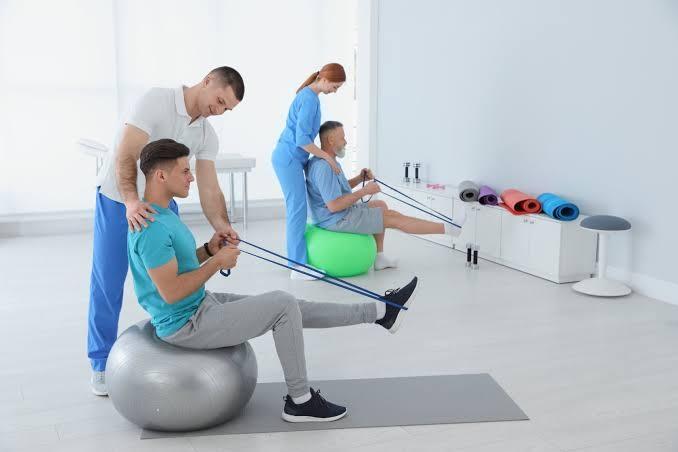
Recovering from surgery can be challenging, especially when everyday movements become difficult. Activities such as walking, standing, bending, and getting out of a chair may require extra effort during the healing process. Although surgery can address an injury or joint problem, patients often need additional support to rebuild strength and regain comfortable movement.
Physical therapy after surgery in Marietta can help patients work toward these goals through guided exercises and structured rehabilitation. A physical therapist evaluates the patient's condition, considers medical instructions, and develops a treatment plan based on individual needs. The focus is on restoring physical function gradually while avoiding unnecessary stress on the healing area.
Whether someone is recovering from a knee replacement, repairing a ligament, or undergoing another orthopedic procedure, rehabilitation can be an important part of the recovery journey.
Understanding the Importance of Post Surgical Rehabilitation
After surgery, the body needs time to heal. During this period, patients may have limited movement and reduced physical activity. While rest is necessary, remaining inactive for too long can contribute to muscle weakness, stiffness, and reduced endurance.
Physical therapy introduces safe movement as the patient becomes ready. The therapist considers the procedure, recovery stage, and surgeon's recommendations before selecting exercises.
Restoring Strength in Weakened Muscles
Muscles around an operated area may become weaker because of reduced use. This can affect the body's ability to support joints and complete everyday activities.
Strengthening exercises help patients gradually rebuild muscle function. For example, someone recovering from knee surgery may work on strengthening the thigh and hip muscles. These muscles help support the knee during walking, standing, and climbing stairs.
Improving Joint Flexibility
Joint stiffness can make movement uncomfortable after surgery. Patients may have difficulty bending a knee, raising an arm, or moving a joint through its normal range.
A therapist may recommend gentle mobility exercises to improve flexibility. These movements are selected according to the patient's condition and should follow the surgeon's instructions.
Developing Better Balance and Coordination
Reduced activity and muscle weakness can affect balance. Some patients may feel less confident when walking or changing positions.
Rehabilitation can include controlled standing exercises, weight shifting, and walking practice. These activities help patients improve coordination and feel more comfortable during everyday movement.
How Knee Replacement Physical Therapy in Marietta Supports Recovery
Knee replacement surgery is often recommended when joint damage causes ongoing pain and limits mobility. The procedure replaces damaged joint surfaces, but the surrounding muscles and tissues still need time to recover.
Knee replacement physical therapy in Marietta helps patients work toward improved knee movement, stronger supporting muscles, and better walking ability. Treatment should be adjusted according to the patient's progress and the surgeon's recommendations.
Beginning With Gentle Movement
Physical therapy may begin soon after surgery when the medical team determines that the patient is ready. Early rehabilitation usually focuses on simple movements that help patients begin using the operated leg safely.
Depending on the patient's condition, early exercises may include:
-
Gentle knee bending and straightening.
-
Ankle movements while resting.
-
Thigh muscle tightening exercises.
-
Supported standing and short walking sessions.
These activities help introduce movement gradually. Patients should follow the therapist's instructions and avoid forcing the knee through significant pain.
Improving Knee Bending and Straightening
After knee replacement surgery, stiffness may make it difficult to bend or straighten the leg. This can affect activities such as sitting, standing, and getting into a comfortable position.
A physical therapist may recommend controlled exercises to improve knee flexibility. Regular practice can help patients work toward better movement, although progress varies from person to person.
Strengthening the Muscles Around the Knee
The muscles surrounding the knee help provide support during everyday activities. Stronger thigh, hip, and lower leg muscles can make walking and standing easier.
As patients improve, their therapist may introduce exercises with gradually increasing difficulty. The goal is to develop strength and control without placing excessive stress on the healing joint.
What to Expect During Physical Therapy After Surgery
A rehabilitation program usually begins with an evaluation and continues with exercises, movement training, and progress reviews. The exact treatment approach depends on the type of surgery and the patient's recovery needs.
Initial Physical Therapy Evaluation
During the first appointment, the therapist reviews the patient's surgical history, current symptoms, and medical instructions. The therapist may also discuss the patient's goals and the activities they want to return to.
The evaluation may include:
-
Checking joint movement and flexibility.
-
Assessing muscle strength and control.
-
Observing walking ability and balance.
-
Discussing pain and swelling.
-
Identifying difficulties with everyday activities.
This information helps establish a starting point for rehabilitation.
Developing an Individual Treatment Plan
After the evaluation, the therapist recommends exercises and activities suited to the patient's condition. A person recovering from knee replacement surgery may need a different plan from someone recovering from shoulder or hip surgery.
Treatment may include strengthening exercises, flexibility training, balance activities, and walking practice. The therapist can adjust the plan as the patient becomes stronger and more comfortable with movement.
Reviewing Progress During Recovery
Progress reviews help determine whether the treatment plan is meeting the patient's needs. A therapist may assess changes in joint movement, muscle strength, walking ability, and balance.
Recovery does not always follow a straight path. Some patients may improve quickly, while others need more time. Regular communication allows the therapist to make appropriate changes.
Common Challenges During Post Surgical Recovery
Patients may experience several challenges while returning to normal activities. Understanding these issues can help them know when to seek professional guidance.
Managing Pain and Swelling
Some discomfort and swelling can occur after surgery. Patients should follow their medical team's recommendations for managing symptoms and returning to activity.
A physical therapist can explain which exercises are appropriate at different stages of recovery. However, sudden or severe pain, increasing swelling, unusual redness, fever, or other concerning symptoms should be reported promptly to a healthcare professional.
Overcoming Muscle Weakness
Reduced activity can affect strength and endurance. Patients may find that walking short distances or completing simple household tasks requires more effort than before surgery.
Gradual exercise can help rebuild physical capacity. Patients should follow their recommended routine instead of increasing activity too quickly.
Building Confidence With Movement
Fear of movement is another challenge some patients experience. They may worry about damaging the operated area or causing additional pain.
A therapist can demonstrate safe techniques and explain which movements are suitable. Supervised practice can help patients become more comfortable as their recovery progresses.
The Role of Home Exercises in Rehabilitation
Home exercises help patients continue practicing approved movements between therapy appointments. They can support consistency and help patients stay involved in their recovery.
Following Exercise Instructions
Patients should perform exercises according to their therapist's recommendations. The number of repetitions, frequency, and difficulty depend on the surgery and recovery stage.
Adding unfamiliar exercises without professional guidance may place unnecessary stress on the healing area. If a movement causes unusual discomfort, patients should stop and contact their healthcare provider.
Creating a Safer Home Environment
A safe home environment can make daily activities easier during recovery. Patients may benefit from removing loose rugs, clearing walking paths, improving lighting, and keeping frequently used items within reach.
Walking aids and other support equipment should be used as instructed by the medical team.
Choosing a Physical Therapy Provider in Marietta
Selecting an appropriate rehabilitation provider is an important part of recovery. Patients should consider the provider's qualifications, experience with orthopedic conditions, and approach to patient care.
Consider Experience With Post Surgical Care
Patients can ask whether a therapist has experience working with people recovering from similar procedures. Someone preparing for knee replacement rehabilitation may want to understand how treatment addresses knee flexibility, muscle strength, and walking ability.
Look for Clear Communication
Patients should feel comfortable discussing concerns and asking questions. A therapist should explain the purpose of exercises, provide clear instructions, and review progress regularly.
Good communication can also help support coordination between the rehabilitation provider and the surgeon.
Conclusion
Recovery after surgery takes time, patience, and consistent effort. Physical therapy can help patients rebuild strength, improve flexibility, develop better balance, and return to everyday activities with greater confidence. For people recovering from knee replacement surgery, a structured rehabilitation plan can support improved knee movement and stronger muscles around the joint.
Patients looking for rehabilitation support can explore the services offered by FYZICAL Marietta. With professional guidance, regular progress reviews, and consistent practice of approved exercises, patients can work toward better mobility and greater independence throughout recovery.

 English
 Arabic
 French
 Portuguese
 Deutsch
 Turkish
 Dutch
 Italiano
 Russian
 Romaian
 Portuguese (Brazil)
 Greek