


Getting Back to Daily Life After Knee and Hip Replacement Surgery
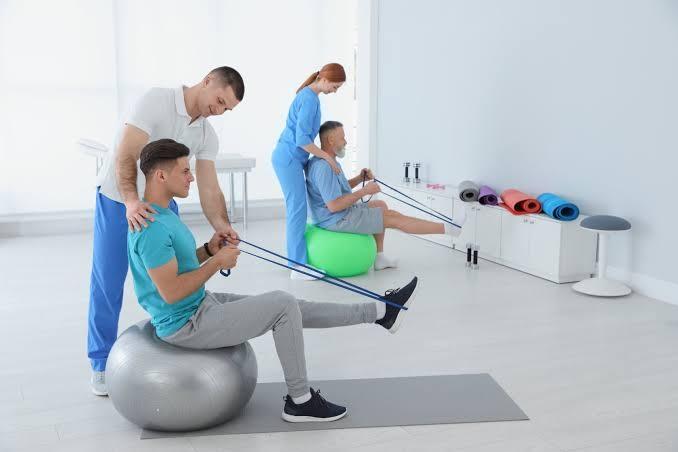
Joint replacement surgery can help people who struggle with ongoing pain, stiffness, and limited movement. When knee or hip problems begin affecting everyday activities, even simple tasks such as walking, shopping, getting dressed, or climbing stairs can become frustrating. Surgery may help reduce these difficulties, but recovery requires time and active participation.
Physical therapy is an important part of the healing process. It helps patients rebuild strength, improve joint movement, and develop the skills needed to move safely. Instead of focusing only on the replaced joint, rehabilitation also works on the muscles, balance, and coordination that support everyday movement.
Whether someone has undergone knee or hip replacement surgery, understanding the recovery process can make the next steps feel more manageable.
Why Recovery Requires More Than Surgery
Joint replacement surgery addresses damaged parts of the joint, but the body still needs time to adjust. Muscles may be weak after months of reduced activity, and swelling or stiffness can make movement uncomfortable.
Patients may also have developed habits to avoid painful movements before surgery. These habits can affect posture, walking patterns, and balance even after the damaged joint has been replaced.
Physical therapy helps patients gradually rebuild these abilities. A therapist evaluates the patient's condition, reviews medical instructions, and develops exercises that match the stage of recovery.
Rebuilding Strength in Supporting Muscles
The muscles surrounding the knee and hip help control movement and support body weight. When these muscles are weak, standing, walking, and climbing stairs may require extra effort.
A rehabilitation program introduces exercises that strengthen the appropriate muscle groups. The difficulty increases gradually as the patient becomes stronger and more comfortable.
Improving Joint Movement
Stiffness can limit movement after surgery. Patients may find it difficult to bend the knee, move the hip comfortably, or complete activities that require flexibility.
Physical therapy uses controlled movements and appropriate exercises to help restore mobility. Patients should follow their therapist's instructions and avoid forcing a joint beyond its current comfortable range.
Developing Better Balance
Balance is essential for safe movement. Weakness, changes in walking patterns, and reduced activity can affect stability after joint replacement.
Therapists may introduce supported balance exercises and controlled movement activities. These exercises help patients become more comfortable when standing, walking, and changing direction.
How Knee Replacement Physical Therapy Helps
Knee replacement recovery often focuses on improving flexibility, strengthening the leg muscles, and restoring a comfortable walking pattern.
Knee replacement physical therapy in Marietta can help patients work toward these goals through a structured program based on their surgical instructions and physical abilities.
Restoring Knee Flexibility
After surgery, swelling and stiffness may make it difficult to bend or straighten the knee. These limitations can affect daily activities such as sitting, standing, and getting into a vehicle.
A physical therapist may recommend gentle knee movement exercises to improve flexibility. Patients often work on bending and straightening the joint within the limits established by their healthcare team.
Progress should be gradual. Trying to force movement can increase discomfort and make exercise more difficult.
Strengthening the Leg Muscles
The thigh muscles play an important role in controlling the knee. Weakness in this area can make it harder to stand from a chair, walk steadily, or climb stairs.
Therapy may include exercises such as thigh muscle contractions, supported leg raises, and controlled standing movements. As strength improves, patients may progress to resistance exercises and step training.
Improving Walking and Movement Control
Some patients continue to walk unevenly after knee replacement because of weakness, stiffness, or discomfort. Physical therapy helps identify movement problems and provides opportunities to practice safer walking techniques.
Patients may initially use a walker or cane. The therapist can help them use these devices correctly and determine when additional independence may be appropriate.
What Hip Replacement Rehab Involves
Hip replacement surgery can help people move more comfortably when joint damage has affected their daily lives. However, the muscles around the hip may need time to regain strength and coordination.
Hip replacement rehab in Marietta can support patients as they improve walking ability, hip strength, balance, and confidence with everyday movement.
Learning to Move Safely After Surgery
Some patients receive specific movement precautions after hip replacement surgery. These instructions depend on the surgical approach and the surgeon's recommendations.
A physical therapist explains how to follow these instructions during activities such as sitting, standing, getting into bed, and walking. Patients should always follow their own medical guidance because precautions can differ between procedures.
Strengthening the Hip and Core
The hip muscles help control leg movement and support the body during walking. Core muscles also contribute to stability when standing or changing position.
Rehabilitation may include gentle hip strengthening, supported standing exercises, and controlled weight shifting. The therapist adjusts the program based on the patient's comfort and recovery progress.
Improving Walking and Stair Skills
Walking and stair use can feel challenging when the hip muscles are weak. Patients may need to practice how to move their legs, shift their weight, and use support safely.
A therapist can demonstrate suitable techniques and supervise practice. These skills help prepare patients for movement at home and in the community.
Understanding the Recovery Process
Every patient has a different recovery experience. Factors such as age, general health, surgical technique, muscle strength, and activity level before surgery can affect progress.
The Early Stage: Starting With Basic Movement
Early rehabilitation usually focuses on gentle movement and safe daily activities. Depending on medical instructions, patients may begin with short walks, simple exercises, and practice moving between a bed and chair.
The aim is to encourage appropriate activity while giving the body time to heal.
The Middle Stage: Building Strength and Control
As recovery progresses, exercises may become more challenging. Patients may work on improving joint movement, strengthening the legs, and developing better balance.
Therapy may also include activities that reflect everyday needs, such as walking for longer periods or practicing stair movement.
The Later Stage: Returning to Regular Activities
Later rehabilitation often focuses on endurance, coordination, and independence. Patients may work toward returning to hobbies, longer walks, and other activities that are appropriate for their condition.
The timing of these activities should be guided by the surgeon and physical therapist. There is no single recovery schedule that applies to everyone.
Exercises That May Be Part of Rehabilitation
Exercise selection depends on the type of surgery, healing progress, and individual medical instructions. A physical therapist determines which movements are appropriate.
Common examples may include:
-
Ankle pumps to encourage lower leg movement.
-
Gentle knee bending and straightening exercises.
-
Thigh muscle contractions to improve muscle control.
-
Supported leg raises to develop strength.
-
Weight shifting to practice balance.
-
Controlled walking to improve coordination.
These are general examples rather than a personal exercise prescription. Patients should not start unfamiliar exercises without checking with their healthcare team.
Common Challenges During Joint Replacement Recovery
Even when recovery is progressing well, patients may experience temporary discomfort, swelling, stiffness, and weakness. Some people also feel frustrated when their progress seems slower than expected.
Managing Discomfort and Swelling
Some swelling and soreness can occur during healing. Patients should follow their healthcare team's advice about activity, rest, and symptom management.
It is important to report new or worsening symptoms. Severe pain, fever, wound drainage, sudden swelling, chest pain, or shortness of breath require prompt medical attention. Chest pain or difficulty breathing should be treated as an emergency.
Staying Patient With Progress
Recovery does not always happen at the same pace each day. Some movements may improve quickly, while others require more practice.
Setting realistic goals can help patients stay motivated. A goal might involve walking more comfortably, standing with less assistance, or completing a daily task more independently.
Avoiding Unnecessary Strain
Doing too much too soon can make recovery more difficult. Patients should not increase exercise intensity or return to demanding activities without guidance from their healthcare team.
Rest, appropriate movement, and consistent exercise all have a place in the recovery process.
Supporting Rehabilitation at Home
Activities outside therapy sessions can reinforce progress. Patients can make recovery more manageable by following professional recommendations and creating a safer home environment.
Make Everyday Movement Safer
Remove loose rugs, clear walkways, improve lighting, and keep frequently used items within easy reach. These changes can reduce obstacles and make moving around the home easier.
Patients should continue using recommended mobility aids until their healthcare team advises otherwise.
Follow the Home Exercise Plan
Physical therapists may provide exercises to complete between appointments. Patients should follow the recommended schedule and ask questions if a movement causes unusual discomfort or seems difficult to perform.
Maintain Open Communication
Patients should tell their therapist about changes in pain, swelling, movement, or confidence. This information can help the rehabilitation team adjust the program when needed.
Conclusion
Returning to everyday activities after joint replacement surgery takes time, practice, and appropriate support. Physical therapy helps patients rebuild strength, improve flexibility, develop balance, and learn safer ways to move. A gradual approach allows rehabilitation to address individual needs while respecting the body's healing process.
Knee replacement physical therapy Marietta and hip replacement rehab Marietta can help patients work toward greater mobility and independence after surgery. Choosing a rehabilitation program that considers personal goals and recovery progress can make each stage easier to understand.
At FYZICAL Marietta, patients can explore physical therapy support focused on improving movement, rebuilding strength, and developing confidence during recovery. With professional guidance and consistent effort, patients can work toward returning to the daily activities that are important to them.

 English
 Arabic
 French
 Spanish
 Portuguese
 Deutsch
 Turkish
 Dutch
 Russian
 Romaian
 Portuguese (Brazil)
 Greek