


Safest Flea and Tick Collar for Dogs: A Complete Guide to Choosing Appropriate Protection in the United States
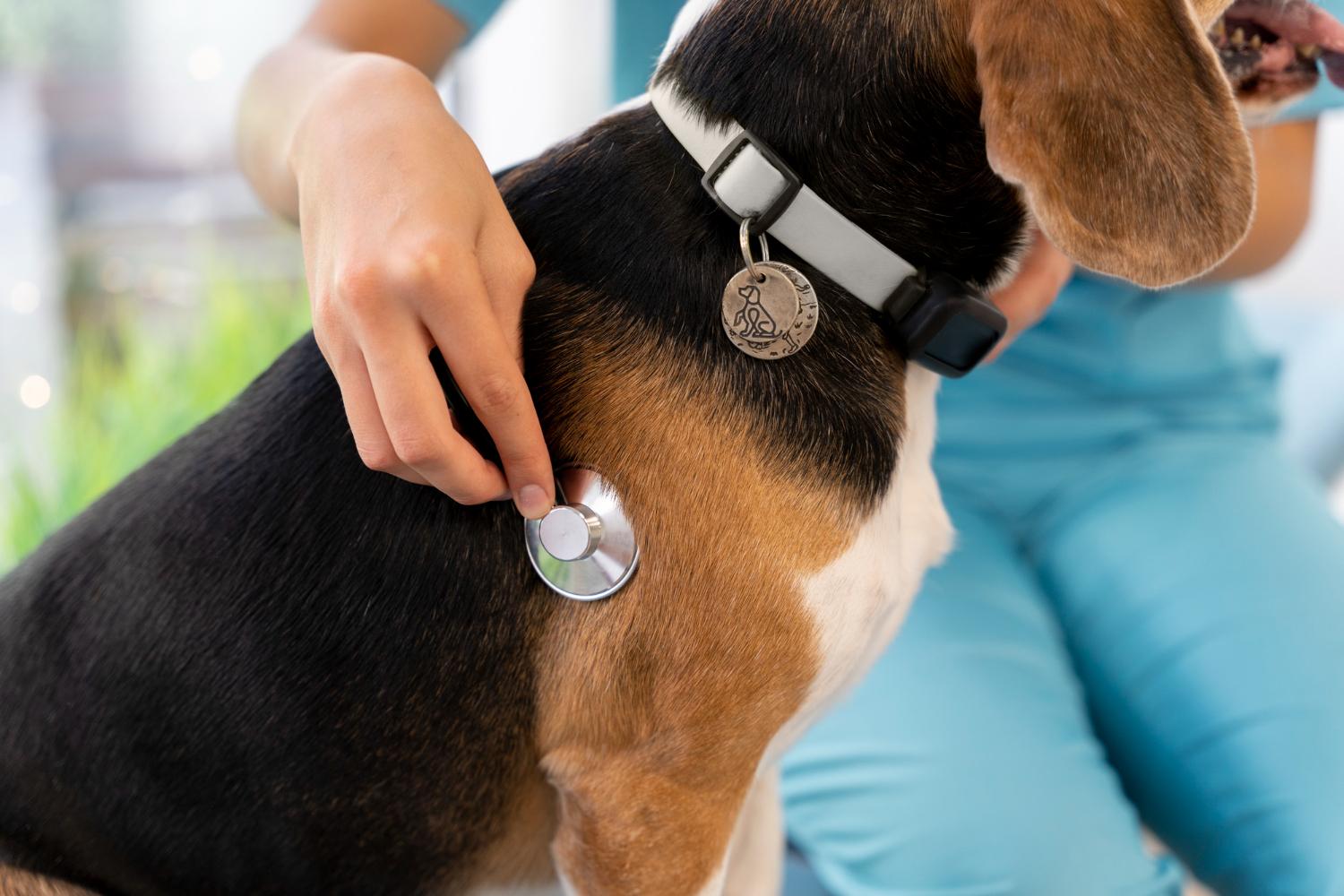
Fleas and ticks are common external parasites that can affect dogs throughout the United States. These parasites can cause skin irritation, discomfort, allergic reactions, and, in some cases, transmit diseases. Choosing an appropriate preventive method is an important part of responsible pet care. Among the available options, flea and tick collars are commonly considered because they provide ongoing parasite protection through specific active ingredients.
Finding the safest flea and tick collar for dogs requires careful consideration of ingredients, product safety information, the dog's age, weight, health condition, and lifestyle. Not every collar is suitable for every dog. Understanding how these products work and what precautions are necessary can help pet owners make informed decisions.
1. Understand How Flea and Tick Collars Work
Flea and tick collars are designed to help control external parasites through active ingredients released or distributed from the collar. Depending on the formulation, these ingredients may spread across the dog's skin and coat or work through contact with parasites.
Different collars use different mechanisms and ingredients. Some target adult fleas and ticks, while others may affect additional stages of the parasite life cycle.
The duration of protection also varies according to the formulation. Certain collars are designed for several months of use, while others may require more frequent replacement.
Before selecting a collar, pet owners should carefully review its instructions, approved uses, and expected protection period.
2. Check the Active Ingredients
The active ingredients play an important role in determining a collar's effectiveness and safety. Different substances have different properties, application requirements, and potential side effects.
Some commonly used flea and tick control ingredients include:
- Flumethrin: An insecticide and acaricide used in certain veterinary parasite-control products.
- Deltamethrin: A synthetic pyrethroid used to control specific external parasites.
- Imidacloprid: An insecticide used in some flea-control formulations.
- Other approved ingredients: Different formulations may contain additional substances with specific parasite-control functions.
Pet owners should not assume that all ingredients are suitable for every dog. Age restrictions, weight requirements, health conditions, and species-specific safety information should always be considered.
A veterinarian can help determine whether a particular ingredient is appropriate for an individual dog.
3. Consider the Dog's Age and Weight
Age and weight are important factors when selecting the safest flea and tick collar for dogs. Some collars have minimum age requirements, while others are available only for dogs within specific weight ranges.
Puppies may have different sensitivities and safety requirements compared with adult dogs. Similarly, senior dogs or dogs with existing health conditions may require additional consideration.
Before using a collar, owners should verify:
- The minimum recommended age.
- The approved weight range.
- The correct collar size.
- Any health-related restrictions.
- The recommended duration of use.
Using a collar outside its approved age or weight guidelines can increase the possibility of unwanted reactions.
4. Understand Possible Side Effects
Although approved flea and tick collars are designed for specific uses, some dogs may experience unwanted reactions.
Possible side effects can include:
- Redness around the neck.
- Skin irritation or itching.
- Hair loss near the collar area.
- Excessive scratching.
- Changes in behaviour.
- Vomiting or unusual weakness in cases of more significant reactions.
If a dog develops irritation or unusual symptoms after wearing a collar, the owner should follow the product's safety instructions and contact a veterinarian promptly.
Signs of a potentially serious reaction, such as tremors, difficulty breathing, or seizures, require immediate veterinary attention.
5. Evaluate the Collar's Fit and Material
A properly fitted collar is important for both comfort and safety. A collar that is excessively tight may cause skin irritation, while one that is too loose may create an entanglement risk.
Pet owners should follow the manufacturer's fitting instructions and check the collar regularly.
Important fitting considerations include:
- Appropriate collar length.
- Sufficient space around the neck.
- Comfortable material.
- Secure fastening.
- No unnecessary pressure on the skin.
The collar area should also be inspected periodically for redness, swelling, or other changes.
Regular checks are particularly important for growing puppies because their neck measurements can change over time.
6. Consider Household Safety and Other Pets
Household conditions can influence the suitability of flea and tick collars. Dogs living with cats or other animals require additional consideration because some parasite-control ingredients intended for dogs may be harmful to other species.
Pet owners should read the product instructions regarding contact with other animals, handling precautions, and household safety.
Children should also be supervised around treated pets. Any handwashing or contact precautions specified on the product label should be followed carefully.
Collars should never be transferred between animals unless the product is specifically approved for the receiving species.
7. Check Product Registration and Safety Information
In the United States, flea and tick products are subject to regulatory requirements. Depending on their ingredients and intended use, certain products are regulated by the Environmental Protection Agency (EPA), while others fall under the authority of the Food and Drug Administration (FDA).
Pet owners should check whether a product is appropriately registered or approved for its intended use.
The product label should clearly explain:
- Active ingredients.
- Intended animal species.
- Minimum age and weight requirements.
- Application and fitting instructions.
- Protection duration.
- Safety precautions.
- Possible adverse reactions.
A product's regulatory status and label information are important considerations when evaluating safety. Online reviews alone cannot establish whether a collar is appropriate for an individual dog.
8. Compare Collars With Other Flea and Tick Prevention Methods
Flea and tick collars are only one option within a broader parasite-prevention approach. Other methods include oral medications, topical treatments, and environmental pest management.
Each method has different advantages, limitations, and safety requirements.
For example, topical treatments are applied directly to the skin, while oral medications are administered according to a prescribed schedule. Environmental cleaning can also help reduce flea development inside the home.
A veterinarian can evaluate the dog's lifestyle, health history, and parasite exposure before recommending an appropriate preventive method.
Combining multiple parasite-control products without professional guidance should be avoided because overlapping ingredients may increase the risk of adverse reactions.
Conclusion
Finding the safest flea and tick collar for dogs involves more than comparing prices or protection duration. Ingredient safety, age and weight requirements, proper fitting, possible side effects, household conditions, and regulatory information all deserve careful attention.
For dog owners in the United States, selecting an appropriate collar should begin with a review of the product label and the dog's individual health requirements. Veterinary guidance can help identify suitable parasite-prevention options and reduce avoidable safety concerns.
A consistent approach to flea and tick prevention, combined with regular coat inspections and appropriate household hygiene, can contribute to better canine health and comfort.

 English
 Arabic
 French
 Spanish
 Portuguese
 Deutsch
 Turkish
 Dutch
 Russian
 Romaian
 Portuguese (Brazil)
 Greek