


What Happens If You Regret Having Eyelid Surgery?
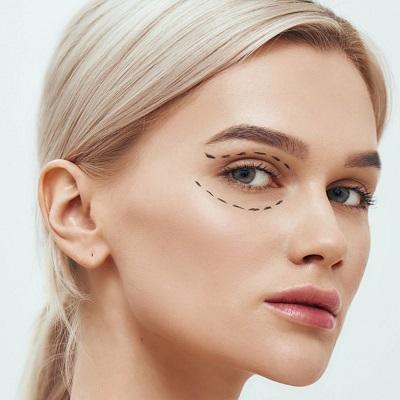
Eyelid surgery, also known as blepharoplasty, is a cosmetic procedure designed to improve the appearance of the upper eyelids, lower eyelids, or both. It can help address drooping skin, under-eye bags, puffiness, and other age-related changes around the eyes. While many individuals are pleased with their results, some may experience unexpected outcomes or feel dissatisfied with their appearance after the procedure. This can lead to an important question: What happens if someone regrets having eyelid surgery?
For individuals considering Eyelid Surgery in Muscat, understanding the possible reasons for post-surgical regret can help them make informed decisions. Although eyelid surgery can create a refreshed and more youthful appearance, it is important to recognize that every surgical procedure involves certain risks, recovery challenges, and individual expectations. Fortunately, feeling unhappy with the initial results does not always mean that the outcome cannot be improved.
1. Why Do Some People Regret Having Eyelid Surgery?
Regret after eyelid surgery can happen for several reasons. While some individuals may be disappointed with their cosmetic results, others may find the recovery process more challenging than expected. Understanding these concerns can help explain why a person might reconsider their decision.
Some common reasons for dissatisfaction include:
-
Unexpected cosmetic results: The eyelids may appear different from what the individual imagined before surgery.
-
Asymmetry: One eyelid may look slightly different from the other during recovery or after healing.
-
Excessive skin removal: Removing too much skin can sometimes cause tightness, difficulty closing the eyes, or an unnatural appearance.
-
Persistent swelling: Swelling and bruising may take longer to settle than expected, making the early results appear disappointing.
-
Visible scarring: Although incisions are generally placed in natural eyelid creases, some individuals may be concerned about how scars heal.
-
Unmet expectations: A person may expect dramatic facial changes, even though eyelid surgery primarily focuses on improving the eyelid area.
It is important to remember that early dissatisfaction does not necessarily indicate a permanent problem. The tissues around the eyes need time to heal, and the final appearance may take several months to become clear.
2. What Happens If Someone Is Unhappy With the Results?
When an individual regrets having eyelid surgery, the first step is to identify the reason for the dissatisfaction. Some concerns may be temporary, while others could require further medical assessment.
During the initial recovery period, swelling, bruising, tightness, and mild differences between the eyelids are relatively common. These changes can affect the appearance of the eyes and may create unnecessary anxiety.
However, if the concerns continue after the expected healing period, a professional assessment can help determine whether additional treatment is appropriate.
Depending on the underlying issue, possible approaches may include:
Allowing More Time for Healing
In many cases, patience is the most appropriate first step. The eyelid tissues can remain swollen for weeks, and subtle changes may continue for several months. Waiting until the healing process is sufficiently advanced allows the results to become more stable.
Non-Surgical Treatments
Some minor cosmetic concerns may be managed with suitable non-surgical treatments. Depending on the individual's condition, a qualified medical professional may discuss options that improve skin texture or address certain surrounding facial concerns.
However, non-surgical treatments cannot correct every surgical complication, particularly problems involving excessive skin removal or eyelid function.
Corrective Eyelid Surgery
When a structural issue affects the appearance or function of the eyelids, revision surgery may be considered. This procedure aims to improve an unsatisfactory outcome, correct certain irregularities, or address complications from the original operation.
Revision surgery is generally more complex than the initial procedure because the tissues may have already been altered by previous surgery.
3. Can Eyelid Surgery Be Reversed?
One of the most common concerns among individuals who regret eyelid surgery is whether the procedure can be reversed completely.
Unlike some temporary cosmetic treatments, eyelid surgery involves removing or repositioning tissue. Once excess skin or fat has been removed, it cannot simply be restored to its original condition.
However, this does not mean that every unsatisfactory result is permanent or that improvement is impossible.
Corrective procedures may help address certain concerns, including:
-
Uneven eyelid appearance.
-
Excessive tightness around the eyes.
-
Visible irregularities in the eyelid contour.
-
Lower eyelid retraction.
-
Difficulty achieving comfortable eyelid closure.
-
Unnatural-looking changes following excessive tissue removal.
In selected cases, reconstructive techniques may involve repositioning tissue or using skin grafts to improve eyelid function and appearance.
The appropriate approach depends on the original surgical technique, the amount of remaining tissue, the condition of the eyelids, and the individual's overall eye health.
It is also important to understand that revision surgery cannot guarantee a perfect return to the pre-surgical appearance. Its primary purpose is to improve the existing condition as safely and realistically as possible.
4. How Long Should Someone Wait Before Considering Revision Surgery?
Timing plays an important role when someone is unhappy with their eyelid surgery results.
Immediately after surgery, the eyelids may appear swollen, uneven, or unusually tight. These changes are often part of the normal healing process and should not automatically be considered signs of an unsuccessful procedure.
Most visible bruising and swelling gradually improve over the first few weeks. However, complete healing and the settling of eyelid tissues can take several months.
In many cosmetic cases, revision surgery is postponed for approximately six months or longer to allow the tissues to heal and the results to stabilize. The exact waiting period depends on the nature of the problem.
There are exceptions, particularly when a complication affects vision, eye protection, or the ability to close the eyelids properly. Such problems require prompt medical assessment rather than waiting for the cosmetic healing period to finish.
Before considering another operation, an individual should undergo a detailed evaluation to determine:
-
Whether the original surgical results have fully stabilized.
-
Whether the concern is related to swelling or permanent tissue changes.
-
Whether eyelid movement and closure are functioning normally.
-
Whether the eyes are adequately protected and lubricated.
-
Whether revision surgery is likely to provide meaningful improvement.
A careful evaluation helps prevent unnecessary additional procedures and supports better long-term outcomes.
5. What Are the Risks of Revision Eyelid Surgery?
Revision eyelid surgery can help improve certain unsatisfactory results, but it is generally more challenging than the initial procedure. Previous surgery may change the natural anatomy of the eyelids, making it difficult to predict how the tissues will respond to further treatment.
Some potential risks include:
Scarring: Additional surgery may create new scars or make existing scar tissue more noticeable.
Dry Eyes: Changes to eyelid position or closure can contribute to dryness, irritation, and discomfort.
Eyelid Retraction: The lower eyelid may sit too low, exposing more of the white part of the eye than usual.
Incomplete Eyelid Closure: Excessive skin removal or tissue tightness can interfere with normal eyelid closure, potentially affecting eye protection.
Asymmetry: Even after corrective surgery, the two eyelids may not look perfectly identical.
Infection and Bleeding: As with other surgical procedures, revision surgery carries general surgical risks.
Unsatisfactory Results: Further treatment may improve the appearance but cannot always achieve the individual's preferred outcome.
These risks highlight the importance of realistic expectations and a thorough assessment before proceeding with another operation.
6. How Can People Avoid Regretting Eyelid Surgery?
Although no surgical procedure can guarantee complete satisfaction, individuals can take several steps to reduce the likelihood of regret.
Preparation, communication, and appropriate medical assessment all contribute to a more positive experience.
Understand the Procedure
Before making a decision, individuals should understand what eyelid surgery can and cannot achieve. The procedure can improve certain concerns around the eyes, but it cannot completely change facial structure or stop the natural ageing process.
Discuss Expectations Clearly
A detailed consultation allows individuals to explain their cosmetic concerns and desired results. Discussing realistic outcomes helps prevent misunderstandings about what surgery can accomplish.
Review Potential Risks
Every individual should understand the possible complications, recovery requirements, and limitations associated with eyelid surgery. This knowledge supports informed decision-making.
Consider Overall Eye Health
Existing dry eyes, previous eye procedures, eyelid disorders, and other medical conditions may influence surgical planning. A complete assessment helps identify concerns that could affect the outcome.
Follow Post-Operative Instructions
After surgery, following medical instructions is essential. Proper wound care, prescribed eye medication, adequate rest, and avoiding strenuous activities during the recommended recovery period can support healing.
Attend Follow-Up Appointments
Regular follow-up visits allow the medical professional to monitor recovery, identify complications, and provide appropriate guidance if unexpected symptoms develop.
Ultimately, careful preparation and realistic expectations can help individuals feel more confident about their decision.
Frequently Asked Questions About Regretting Eyelid Surgery
1. Is it normal to regret eyelid surgery immediately after the procedure?
Yes, some individuals experience temporary regret during the early recovery period. Swelling, bruising, tightness, and changes in eyelid appearance can make the results look different from what was expected. These concerns often improve as healing progresses.
2. Can eyelid surgery results be corrected if someone is unhappy?
In many cases, corrective treatment may improve unsatisfactory results. Depending on the concern, options can include allowing additional healing time, selected non-surgical treatments, or revision eyelid surgery. However, complete reversal is not always possible.
3. How long does it take to see the final results of eyelid surgery?
Initial improvements may become noticeable within a few weeks, but complete healing can take several months. Subtle swelling, scar maturation, and tissue changes may continue for six months or longer.
4. Is revision eyelid surgery more complicated than the original procedure?
Yes, revision surgery can be more complex because previous surgery may have changed the natural eyelid anatomy. Scar tissue, reduced skin availability, and altered tissue positioning can make corrective treatment more challenging.
5. Can excessive skin removal from the eyelids be corrected?
In selected cases, corrective procedures may improve problems caused by excessive skin removal. Depending on the severity, treatment may involve tissue repositioning or skin grafting. However, the results depend on the individual's anatomy and available tissue.
6. When should someone seek medical help after eyelid surgery?
Medical advice should be sought if symptoms become concerning or recovery does not progress as expected. Sudden vision changes, severe or increasing eye pain, significant bleeding, or inability to close the eyes require urgent medical attention. Prompt evaluation can help prevent further complications.
Final Thoughts
Regretting eyelid surgery can be an upsetting experience, particularly when the results do not match an individual's expectations. However, dissatisfaction during the early recovery period does not always mean that the outcome is permanent. Swelling, bruising, and temporary changes in eyelid appearance can gradually improve as the tissues heal.
For individuals experiencing persistent concerns, a professional assessment can help identify the underlying issue and determine whether further treatment is appropriate. Although revision eyelid surgery may improve certain complications or cosmetic irregularities, it requires careful planning and realistic expectations.
The most important step is to prioritize eyelid function, eye health, and long-term well-being rather than rushing into another procedure. With proper guidance, patience, and an individualized treatment approach, individuals can make informed decisions about their next steps.
Read More About Eyelid Surgery in Muscat: https://drukarnia.com.ua/articles/eyelid-surgery-for-hooded-eyes-what-are-your-options-egB2h

 English
 Arabic
 French
 Portuguese
 Deutsch
 Turkish
 Dutch
 Italiano
 Russian
 Romaian
 Portuguese (Brazil)
 Greek