


Does Eyelid Surgery Change Your Natural Eye Shape?
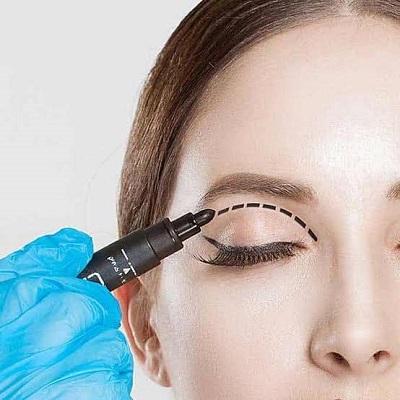
The eyes play an important role in facial appearance, expression, and overall facial balance. Even small changes around the eyelids can influence how the eyes look. As people age, the skin surrounding the eyes gradually loses elasticity, muscles may weaken, and excess fat can become more noticeable. These changes can cause drooping upper eyelids, under-eye bags, puffiness, and a tired appearance. For individuals considering cosmetic improvement, one common concern is whether eyelid surgery will change the natural shape of their eyes.
Eyelid surgery, also known as blepharoplasty, is designed to improve the appearance or function of the eyelids by addressing excess skin, fat, and sometimes muscle. People researching Eyelid Surgery in Muscat often want to know whether the procedure preserves their original eye shape or creates a noticeably different appearance. The answer depends on the surgical technique, individual anatomy, and the amount of tissue that needs adjustment. When carefully planned, eyelid surgery generally aims to refresh the eye area while maintaining the person's natural facial characteristics.
Understanding how the procedure works, what changes are possible, and how surgeons approach natural-looking results can help individuals make confident and informed decisions.
What Is Eyelid Surgery and How Does It Work?
Eyelid surgery is a cosmetic or functional procedure that improves the appearance of the upper eyelids, lower eyelids, or both. It is commonly performed to address excess skin, prominent fat deposits, loose tissues, and certain eyelid-related functional concerns.
With ageing, the skin around the eyes becomes thinner and less elastic. The supporting muscles and connective tissues may also weaken, allowing excess skin and fat to become more prominent.
Blepharoplasty addresses these concerns through carefully planned tissue adjustments.
There are three common approaches:
1. Upper Eyelid Surgery
Upper eyelid surgery focuses on removing excess skin that creates a heavy or drooping appearance. The incision is generally placed within the natural crease of the upper eyelid, helping keep the scar less noticeable after healing.
This procedure may improve the visibility of the natural eyelid crease and make the eyes appear more open.
2. Lower Eyelid Surgery
Lower eyelid surgery addresses under-eye bags, puffiness, and loose skin beneath the eyes. Depending on the patient's anatomy, excess fat may be removed or repositioned to create a smoother contour.
In some cases, an incision is made inside the lower eyelid, while other techniques use an incision just below the eyelashes.
3. Combined Upper and Lower Eyelid Surgery
Some individuals experience concerns affecting both the upper and lower eyelids. Combined surgery may address excess upper eyelid skin and prominent under-eye bags during the same treatment plan.
The appropriate approach depends on the patient's eye structure, medical history, and desired outcome.
Does Eyelid Surgery Change the Natural Shape of the Eyes?
One of the biggest concerns among people considering blepharoplasty is whether their eyes will look different after surgery.
In most cases, the primary goal is not to change the natural shape of the eyes. Instead, the procedure aims to improve the surrounding tissues while preserving the individual's original eye characteristics.
For example, someone with excess upper eyelid skin may notice that the eyes appear more open after surgery. This change can make the natural eye shape more visible rather than creating an entirely new shape.
Similarly, removing or repositioning lower eyelid fat can reduce puffiness without necessarily changing the eye's overall outline.
Why Can the Eyes Look Different After Surgery?
Although the procedure is generally intended to preserve natural features, some visible changes may occur.
These can include:
-
A more visible upper eyelid crease.
-
Reduced heaviness around the eyes.
-
A smoother transition between the lower eyelids and cheeks.
-
Less prominent under-eye bags.
-
A more refreshed facial appearance.
-
Improved eyelid symmetry in selected cases.
The eyes may appear larger or more open because excess skin no longer covers part of the upper eyelid. However, this does not necessarily mean that the actual eye shape has changed.
The final appearance depends on the amount of tissue removed, the position of the eyelids, and the patient's original anatomy.
Factors That Influence Eye Shape After Eyelid Surgery
Several factors determine how the eyes look after blepharoplasty. Understanding these factors helps explain why results can vary between individuals.
1. Individual Eye Anatomy
Every person has a unique eye structure. The natural eyelid crease, eyebrow position, skin thickness, fat distribution, and eyelid contour all influence the final result.
A surgical approach that works well for one person may not be appropriate for another.
For this reason, treatment planning should be based on individual anatomy rather than following a standard approach for every patient.
2. Amount of Excess Skin Removed
The amount of skin removed during upper eyelid surgery plays an important role in maintaining a natural appearance.
Removing too little skin may leave the original heaviness largely unchanged. Removing too much, however, can create excessive tightness, affect comfortable eye closure, or produce an unnatural appearance.
A conservative and carefully measured approach is generally important for preserving normal eyelid function.
3. Fat Removal or Repositioning
Fat around the eyes contributes to their natural contour. Excessive removal may create a hollow or sunken appearance, particularly in individuals who already have limited fat volume.
In selected patients, repositioning fat rather than removing it may help create a smoother and more balanced result.
4. Eyebrow Position
The eyebrows and upper eyelids work together to create the overall appearance of the eye area.
Some individuals raise their eyebrows to compensate for heavy upper eyelids. Others have naturally low eyebrows that contribute to a hooded appearance.
If eyebrow drooping is not recognised before surgery, removing upper eyelid skin alone may not achieve the expected improvement.
5. Muscle Function and Eyelid Position
The muscles responsible for opening and closing the eyelids are essential for normal eye function.
If an individual has ptosis, a condition involving a drooping upper eyelid caused by weakness or stretching of the eyelid-lifting muscle, standard blepharoplasty may not be sufficient.
In such cases, a separate ptosis repair may be considered.
How to Achieve Natural-Looking Results With Eyelid Surgery in Muscat
Individuals considering Eyelid Surgery in Muscat often prioritise results that look refreshed rather than dramatically different.
Natural-looking outcomes depend on careful assessment, suitable surgical techniques, and realistic expectations.
1. Start With a Detailed Consultation
The first step involves discussing the patient's concerns and examining the eye area.
The assessment may include:
-
Upper and lower eyelid structure.
-
Skin elasticity and thickness.
-
Natural eyelid crease.
-
Fat distribution.
-
Eyebrow position.
-
Eyelid muscle function.
-
Eye health and tear production.
-
Previous eye procedures or medical conditions.
This evaluation helps identify the actual cause of the concern and whether surgery is appropriate.
2. Discuss Desired Results Clearly
Patients should explain what they hope to achieve. Some may want to reduce heavy upper eyelid skin, while others may be more concerned about under-eye bags.
Clear communication helps establish realistic expectations and reduces the likelihood of selecting an unsuitable surgical approach.
The goal should generally be to improve the existing eye appearance rather than create an entirely different facial feature.
3. Choose an Appropriate Surgical Technique
Different eyelid concerns require different techniques. Upper blepharoplasty, lower blepharoplasty, and ptosis repair address different anatomical problems.
A qualified surgeon should explain the advantages, limitations, and potential risks of each recommended approach.
4. Avoid Excessive Tissue Removal
Natural-looking eyelid surgery requires a balance between removing enough tissue to address the concern and preserving the structures necessary for comfortable eyelid function.
Conservative treatment planning can help avoid an overly hollow, tight, or unnatural appearance.
5. Follow Post-Operative Instructions
Proper aftercare is another important part of achieving satisfactory results.
Patients should follow instructions regarding medication, cold compresses, wound care, physical activity, and sun protection.
Recovery After Eyelid Surgery: When Will the Natural Eye Shape Become Visible?
The appearance of the eyes immediately after surgery does not represent the final outcome. Swelling, bruising, and temporary tissue tightness can make the eyelids look different during the early healing period.
Understanding the recovery timeline helps patients avoid unnecessary concerns.
First Few Days
During the first 48 to 72 hours, swelling and bruising are generally most noticeable. The eyelids may feel tight, and mild discomfort or irritation can occur.
Patients are commonly advised to:
-
Apply cold compresses as instructed.
-
Keep the head elevated while resting.
-
Avoid rubbing or pressing the eyes.
-
Use prescribed eye drops or ointments.
-
Avoid strenuous physical activity.
First One to Two Weeks
Swelling and bruising generally begin to improve during this period. External stitches may be removed when appropriate, and many patients gradually return to their regular activities.
However, some residual swelling may remain.
One to Three Months
The eyelid tissues continue to settle, and the natural contours become more noticeable. Any temporary tightness generally improves as healing progresses.
The final appearance may take several months to develop, while scar maturation can continue for longer.
Sudden vision changes, severe pain, significant bleeding, or rapidly increasing swelling require urgent medical attention.
Benefits, Risks, and Limitations of Eyelid Surgery
Blepharoplasty can provide several cosmetic and functional benefits when performed on suitable candidates.
Potential Benefits
-
Reduces excess upper eyelid skin.
-
Improves the appearance of under-eye bags.
-
Creates a smoother eyelid contour.
-
Makes the eyes appear less tired.
-
Improves the visibility of the natural eyelid crease.
-
May improve peripheral vision when excess skin causes obstruction.
-
Provides long-lasting improvement in selected age-related concerns.
However, eyelid surgery is not designed to correct every concern around the eyes.
It does not necessarily eliminate dark circles, crow's feet, pigmentation, or hollow areas. These concerns may require different treatment approaches.
Possible Risks and Complications
Like any surgical procedure, blepharoplasty carries certain risks, including:
-
Bruising and prolonged swelling.
-
Infection or bleeding.
-
Dry or irritated eyes.
-
Temporary difficulty closing the eyelids.
-
Visible or uneven scars.
-
Eyelid asymmetry.
-
Changes in eyelid position.
-
Overcorrection or undercorrection.
-
Rare complications affecting vision.
A detailed assessment, appropriate surgical planning, and proper follow-up care are important for reducing avoidable risks.
Frequently Asked Questions About Eyelid Surgery and Natural Eye Shape
1. Will eyelid surgery make the eyes look bigger?
Eyelid surgery may make the eyes appear more open by removing excess skin that covers part of the upper eyelid. However, the actual size of the eyeball does not change. The effect depends on the patient's original anatomy and the surgical technique.
2. Can eyelid surgery change the natural eye shape permanently?
The procedure is generally designed to improve eyelid contours rather than change the natural eye shape. However, changes to eyelid position or contour can be long-lasting. Careful surgical planning is important to preserve natural features.
3. Will the eyes look unnatural after blepharoplasty?
Most patients seek a refreshed and natural-looking result. An unnatural appearance can sometimes occur when too much skin or fat is removed or when the underlying eyelid structure is not properly assessed. Appropriate patient selection and conservative surgical planning help reduce this risk.
4. How long does it take for the eyes to look normal after surgery?
Most visible bruising and swelling improve within one to two weeks. However, subtle swelling and tissue changes may continue for several weeks or months. Final results should be assessed after sufficient healing.
5. Can eyelid surgery correct uneven eyes?
Blepharoplasty may improve asymmetry caused by excess skin or uneven fat distribution. However, natural differences in eye structure, eyebrow position, and muscle function may remain. A detailed assessment is necessary to determine what can realistically be improved.
6. Does eyelid surgery affect blinking or eye closure?
Temporary tightness or difficulty closing the eyes can occur during early recovery. Excessive skin removal may also affect eyelid closure. This is why careful surgical planning and preservation of adequate eyelid tissue are essential.
Final Thoughts
Eyelid surgery is primarily intended to improve the appearance and function of the eyelids while maintaining the natural characteristics of the eyes. Although patients may notice a more open, refreshed, and defined appearance after treatment, the procedure does not necessarily change the actual shape of the eyes.
The final outcome depends on individual anatomy, the amount of excess tissue, muscle function, and the surgical technique selected. A conservative approach that prioritises both appearance and normal eyelid function is important for achieving balanced results.
For individuals considering Eyelid Surgery in Muscat, a comprehensive consultation can help identify the underlying concern and determine the most appropriate treatment option. Understanding the benefits, limitations, recovery process, and possible complications allows patients to make informed decisions and develop realistic expectations.
Read More About Eyelid Surgery in Muscat: https://bexopro.com/read-blog/69454

 English
 Arabic
 French
 Spanish
 Portuguese
 Deutsch
 Turkish
 Dutch
 Russian
 Romaian
 Portuguese (Brazil)
 Greek