


Best Pilot Training Institute in India for Aspiring Commercial Pilots
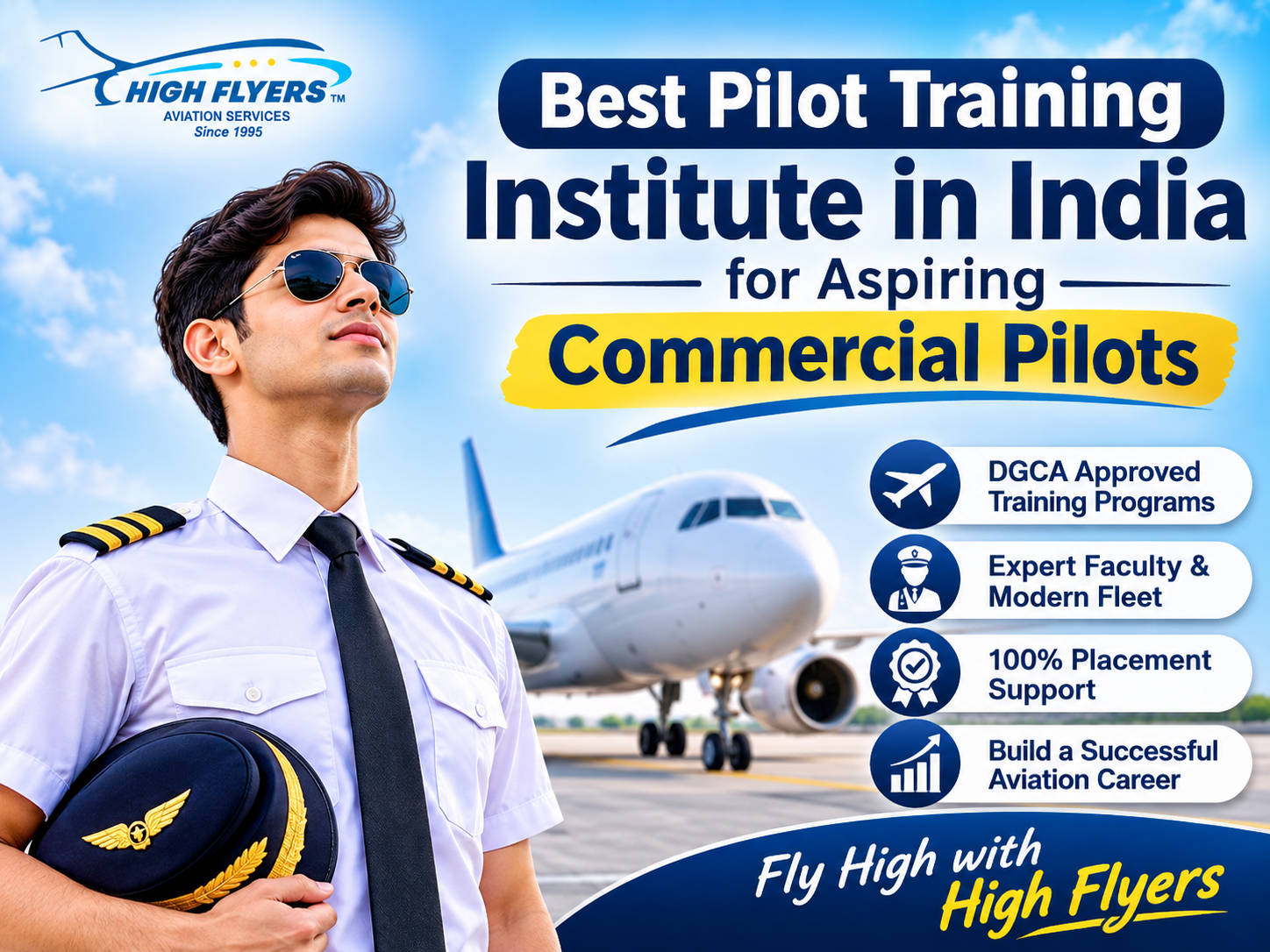
Becoming a commercial pilot is an exciting career goal for students who dream of flying aircraft and exploring the world. However, choosing the best pilot training institute in India is one of the most important decisions in this journey. The right guidance can help aspiring pilots understand aviation requirements, prepare for DGCA examinations, and plan their flight training effectively. A structured learning environment also helps students develop the knowledge, discipline, and confidence required for a professional aviation career. The High Flyers supports aspiring pilots with guidance and preparation to help them take informed steps towards their goals.
Why Choosing the Right Pilot Training Institute Matters
Pilot training requires more than an interest in aircraft. Students must understand aviation theory, meet medical requirements, prepare for examinations, and complete practical flight training. A reliable training institute helps students understand each stage and plan their preparation.
The right institute should provide clear information about the training pathway, experienced academic support, and guidance on the requirements set by the Directorate General of Civil Aviation (DGCA). It should also help students understand the difference between ground classes and practical flying lessons.
Before enrolling, students should check the institute's course structure, faculty experience, learning resources, and the support available throughout their preparation.
How to Become a Pilot in India
Students often ask how to become a pilot after completing their schooling. The process involves several important steps. Understanding these requirements early can make the journey more organised.
1. Complete Your Class 12 Education
Students who want to pursue a commercial pilot career generally need to complete Class 12 with Physics and Mathematics from a recognised board or meet the applicable DGCA eligibility requirements. Students who have not studied these subjects may explore recognised ways to fulfil the required academic criteria.
A strong foundation in mathematics and physics helps students understand aircraft performance, navigation, meteorology, and other aviation subjects.
2. Meet DGCA Medical Requirements
Medical fitness is an important part of pilot eligibility. Aspiring pilots must complete the medical assessments prescribed by DGCA. Students should understand the applicable Class 2 and Class 1 medical requirements and the appropriate stages at which they are needed.
Completing the necessary medical checks early can help students make informed decisions before committing to the full training process.
3. Join DGCA Ground Classes
Ground training introduces students to the theoretical knowledge required for aviation examinations. Students study subjects such as air navigation, aviation meteorology, air regulations, and technical general.
Joining structured Best DGCA Ground Classes in India can help students understand complex topics through organised lessons, practice questions, and regular revision. Consistent preparation also helps students identify areas that need improvement before examinations.
4. Complete Practical Flight Training
After building the required theoretical foundation, students must complete practical flight training through an appropriate flying training organisation. This stage helps them develop essential flying skills under the supervision of qualified instructors.
Flight training includes aircraft handling, navigation exercises, communication procedures, emergency responses, and other practical skills. Students should carefully evaluate the facilities, aircraft availability, instructor support, and applicable approvals of a flying school before enrolling.
5. Complete the Required Licensing Process
Students must fulfil the applicable DGCA requirements, including examinations, medical fitness, flight experience, and other licensing criteria. They should always check the latest official regulations because requirements and procedures may change.
What Makes the Best Pilot Training Institute in India?
Not every institute offers the same learning experience. Aspiring pilots should compare several factors before making their decision.
Experienced Faculty and Academic Guidance
Qualified and experienced instructors can make aviation subjects easier to understand. Students benefit from teachers who explain technical concepts clearly and provide practical examples related to real aviation situations.
Structured Course Curriculum
A well-organised curriculum helps students cover the required subjects systematically. It should include a clear study plan, revision sessions, practice assessments, and guidance for DGCA examination preparation.
Updated Learning Resources
Aviation rules, procedures, and examination requirements can change. Students should look for institutes that encourage learning through updated study materials and reliable information based on current DGCA guidelines.
Personalised Student Support
Every student learns differently. Some may need additional help with navigation, while others may require more practice with technical subjects. Individual attention and regular feedback can help students improve their performance.
Clear Training Guidance
A good institute should explain the complete pilot training pathway, including academic eligibility, medical assessments, ground preparation, flying training, and licensing requirements. Transparent guidance helps students make realistic plans.
Why DGCA Ground Classes Are Important for Commercial Pilot Aspirants
Ground classes play a major role in building the theoretical foundation required for professional flying. Before handling an aircraft independently, students need to understand the principles behind flight operations.
Subjects such as air navigation teach students how to understand routes, directions, and flight planning. Aviation meteorology helps them interpret weather conditions and understand their impact on flight safety. Air regulations introduce the rules and procedures that pilots must follow.
Technical general helps students understand aircraft systems, engines, instruments, and basic operating principles. Together, these subjects prepare students for the theoretical side of aviation.
Students looking for the Best DGCA Ground Classes in India should prioritise consistent teaching, doubt-clearing sessions, regular assessments, and a disciplined study environment.
How The High Flyers Supports Aspiring Pilots
Choosing the right direction can feel confusing when students first explore aviation careers. They may have questions about eligibility, medical requirements, DGCA examinations, flying schools, and the Commercial Pilot Licence pathway.
The High Flyers aims to help aspiring pilots understand these important stages through structured guidance and aviation-focused learning support. Students can build a clearer understanding of their preparation needs and make informed decisions about their next steps.
The institute's focus on academic preparation and career guidance can help students approach their aviation goals with greater confidence. However, students should independently verify the current DGCA requirements and the approvals of any flying training organisation before enrolling in practical flight training.
Common Mistakes to Avoid When Choosing a Pilot Training Institute
Students should avoid selecting an institute based only on advertisements or attractive promises. Instead, they should research its teaching approach, faculty, course details, and student support.
They should also avoid ignoring medical eligibility, as medical fitness is essential for the pilot licensing process. Another common mistake is assuming that ground classes alone provide a commercial pilot licence. The complete pathway also involves the required practical flying training and licensing formalities.
Finally, students should compare the total expected costs, training duration, and available facilities before making a commitment.
Conclusion
A career as a commercial pilot requires dedication, preparation, and the right educational guidance. Choosing the best pilot training institute in India can help aspiring pilots understand the process, prepare for DGCA examinations, and plan their aviation journey more effectively.
From understanding how to become a pilot to joining structured DGCA ground classes and completing practical flight training, every stage requires careful planning. The High Flyers can help students build a clearer understanding of their preparation journey and move towards their professional aviation ambitions with confidence.
Frequently Asked Questions
1. How can I become a commercial pilot in India?
Students generally need to meet the academic and medical eligibility requirements, complete DGCA examinations, undergo practical flight training, and fulfil the applicable requirements for a Commercial Pilot Licence.
2. Which subjects are required to become a pilot after Class 12?
Physics and Mathematics are generally required for the commercial pilot pathway in India. Students should check the latest DGCA eligibility criteria and recognised alternatives where applicable.
3. Why should I join DGCA ground classes?
DGCA ground classes help students understand important aviation subjects, prepare for theoretical examinations, practise questions, and build a strong foundation in aviation knowledge.
4. How do I choose the best pilot training institute in India?
Compare the institute's faculty, course structure, learning resources, student support, and transparency. Also verify the approvals of the flying training organisation where you plan to complete practical flight training.
About The High Flyers
The High Flyers focuses on helping aspiring aviation professionals understand pilot training pathways and prepare for their career goals. Through aviation-related academic guidance and structured learning support, it aims to help students take informed steps towards professional pilot training.

 English
 Arabic
 French
 Spanish
 Portuguese
 Deutsch
 Turkish
 Dutch
 Russian
 Romaian
 Portuguese (Brazil)
 Greek