


Tailor’s Bunion and Plantar Fasciitis: Treatment Options That Make a Difference
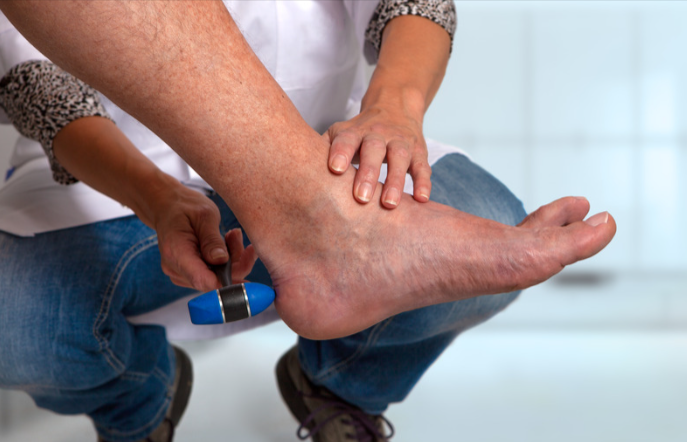
Foot pain has a way of taking over your day. A rubbing bump on the outside of your little toe or a stabbing heel pain with your first steps out of bed can make even a short walk feel like a chore. The reassuring part is that both conditions are well understood, and most people improve without surgery.
What Is a Tailor’s Bunion?
A tailor’s bunion, also called a bunionette, is a bony bump on the outside of the foot at the base of the little toe. The name goes back to tailors who once sat cross-legged for hours, rubbing that part of the foot against the floor. Today it’s more often linked to narrow shoes and inherited foot shape.
Common symptoms include:
- A visible bump on the outer edge of the foot
- Redness, soreness or a thickened patch of skin
- Pain that worsens in tight or pointed shoes
- Swelling after long days on your feet
Treating it at home first
Most people start with simple steps. A sensible tailor’s bunion treatment plan begins with:
- Wider shoes. A roomy toe box is the single most useful change.
- Padding. Gel or silicone pads reduce rubbing and pressure.
- Toe spacers or orthotics. These can help if your foot mechanics are adding to the problem.
- Ice and anti-inflammatories. Used briefly for flare-ups, with your GP or pharmacist’s advice.
When surgery enters the conversation
If the pain persists, you can’t find comfortable shoes, or the bump keeps getting worse, a small operation can realign the bone. Recovery varies, but most people are walking in a protective shoe soon after. A specialist can explain whether you’re a good candidate.
Plantar Fasciitis: The Heel Pain That Greets You at Dawn
The plantar fascia is a thick band running from your heel to the base of your toes, acting like a shock absorber. When it’s overloaded, it becomes irritated and sore. Many describe a sharp pain at the heel with the first steps in the morning, which eases and then returns after long periods of standing.
Risk factors include:
- A recent increase in running or standing at work
- Tight calf muscles
- Unsupportive footwear
- Excess body weight
- Very high or very flat arches
The first-line plan
The best plantar fasciitis treatment is usually the simplest, and it works for most people over several months:
- Stretching. Calf stretches and plantar fascia-specific stretches, held and repeated daily.
- Supportive footwear. Cushioned shoes with a firm arch. Try to avoid barefoot walking on hard floors.
- Insoles. Over-the-counter or custom orthotics to share the load.
- Activity changes. Swap a few runs for swimming or cycling while it settles.
- Night splints or taping. Helpful for stubborn morning pain.
When basic care isn’t enough
If symptoms continue beyond three to six months, other plantar fasciitis treatments are worth discussing:
- Shockwave therapy. Sound waves stimulate healing in the tissue, with good results for many people.
- Injections. Steroid injections can bring short-term relief but carry risks if repeated, so they should be used carefully.
- Physiotherapy. A structured loading programme addresses the root causes.
- Surgery. Very rarely needed, and only after thorough non-surgical care.
Is It Plantar Fasciitis, or Something Else?
Heel pain isn’t always plantar fasciitis. Stress fractures, nerve irritation, fat pad problems and arthritis can all feel similar. If your pain is severe, constant, worse at night or comes with numbness, get a proper assessment rather than guessing.
Everyday Tips That Help Both Conditions
- Check your shoes. Worn-out soles and narrow toe boxes quietly cause damage.
- Build up activity gradually.
- Keep calf muscles flexible and strong.
- Don’t ignore early niggles. Settling a problem early is far easier than treating a chronic one.
Frequently Asked Questions
Will a tailor’s bunion go away on its own?
The bump itself won’t disappear, but pain can settle with better footwear and padding. Surgery is the only way to correct the bone.
Can I exercise with plantar fasciitis?
Usually yes, with modifications. Low-impact exercise is often easier on the heel.
How long does plantar fasciitis last?
Most people improve within about a year, many sooner, especially when they stick with stretching and good footwear.
Are heel spurs the cause of my pain?
Often not. Spurs are common in people with no pain at all, and the inflamed fascia is usually the real culprit.
Do bunion pads fix the problem?
They relieve pressure and rubbing, but they don’t change the bone’s position.
Ready to Get Relief?
You don’t have to live with a sore heel or a rubbing bump. If home measures haven’t worked, a specialist assessment can pinpoint the cause and set out a clear, realistic plan. Book a consultation and take the first step towards comfortable walking again.

 Arabic
 French
 Spanish
 Portuguese
 Deutsch
 Turkish
 Dutch
 Italiano
 Russian
 Romaian
 Portuguese (Brazil)
 Greek