


What Diet Is Best When You Are Suffering From Hair Issues?
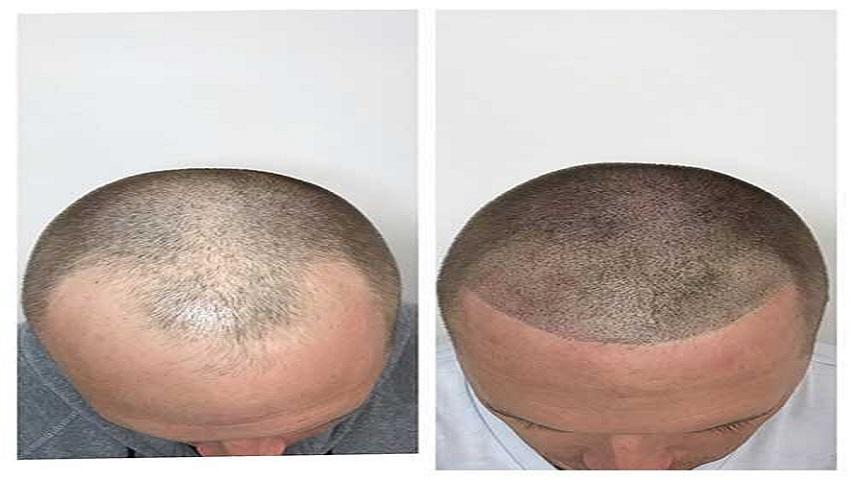
Hair problems such as excessive shedding, weak strands, dryness, breakage, or gradual thinning can be frustrating. While hair issues may have many causes, nutrition is an important part of maintaining healthy follicles and supporting normal hair growth. A balanced diet provides the protein, vitamins, minerals, and healthy fats needed by the body to maintain hair and scalp health.
There is no single diet that can treat every type of hair problem. However, building meals around nutrient-rich foods can help create a strong nutritional foundation for healthier-looking hair.
Start With Enough Protein
Hair is largely made of keratin, a structural protein. Therefore, getting enough dietary protein is an important part of supporting normal hair production.
Include protein-rich foods such as eggs, dairy products, fish, chicken, lentils, beans, chickpeas, tofu, soy products, nuts, and seeds. People following vegetarian or vegan diets can combine different plant-based protein sources to maintain dietary variety.
Extremely restrictive diets or inadequate calorie intake may affect the normal hair-growth cycle in some people. Instead of focusing on quick weight loss, aim for a sustainable eating pattern that provides sufficient nutrition.
Include Iron-Rich Foods
Iron is involved in transporting oxygen throughout the body, and inadequate iron levels may be associated with increased hair shedding in some individuals.
Good dietary sources include lentils, beans, leafy green vegetables, eggs, fortified cereals, lean meats, and seafood. Pairing plant-based iron sources with vitamin C-rich foods such as citrus fruits, tomatoes, bell peppers, or guava can support iron absorption.
If significant hair shedding is present, do not assume that iron supplements are necessary. A healthcare professional can determine whether testing is appropriate before supplementation.
Add Vitamins and Minerals Through Whole Foods
Hair follicles require a variety of micronutrients for normal cellular processes. Instead of concentrating on one “hair vitamin,” try to eat a diverse range of foods.
Colorful vegetables and fruits provide different vitamins and antioxidant compounds. Whole grains, legumes, dairy or suitable alternatives, nuts, and seeds can contribute additional nutrients such as zinc, B vitamins, and other minerals.
Vitamin D is another nutrient associated with overall health and has been studied in relation to several hair-loss conditions. Dietary sources include fortified foods, eggs, and certain fish, while sunlight contributes to vitamin D production.
Don't Avoid Healthy Fats
Healthy fats can be part of a balanced hair-friendly diet. Foods such as walnuts, almonds, chia seeds, flaxseeds, avocados, and fatty fish provide beneficial fats and other nutrients.
Omega-3 fatty acids, found particularly in oily fish and certain plant foods, are important components of a balanced diet. Including appropriate sources of healthy fats can support overall nutritional health.
Hydration Matters Too
Drinking enough fluids is important for general health, although simply drinking more water will not directly cure hair loss. Adequate hydration supports normal body functions and complements a nutritious diet.
Make water your primary beverage and adjust your intake according to factors such as activity level, weather, and individual needs.
Foods and Habits to Limit
A healthy hair diet is not only about what you add to your meals. Excessive consumption of highly processed foods, sugary beverages, and nutrient-poor snacks can make it more difficult to maintain a balanced diet.
Crash diets and extreme food restrictions can also reduce the intake of essential nutrients. If you are trying to lose weight, gradual and nutritionally adequate changes are generally more sustainable than severe calorie restriction.
What About Hair Supplements?
Hair supplements are widely marketed for reducing hair fall and improving growth. However, supplements are not automatically beneficial for everyone. Taking high doses of certain nutrients without a confirmed deficiency can be unnecessary and may sometimes cause adverse effects.
A better approach is to identify whether a nutritional deficiency actually exists and use supplements only when appropriate professional guidance supports them.
When Diet May Not Be Enough
Hair loss can result from genetics, hormonal changes, autoimmune conditions, scalp disorders, medications, illness, or other factors. In these situations, improving your diet may support overall health but may not address the underlying cause.
Persistent, sudden, or progressive hair loss should therefore be evaluated professionally. Identifying the cause can help determine whether dietary changes, medical treatment, scalp care, or a combination of approaches is appropriate.
Conclusion
The best diet for hair issues is not a restrictive “hair-loss diet.” It is a balanced eating pattern that provides adequate protein, iron, vitamins, minerals, healthy fats, and calories from a variety of nutritious foods.
Good nutrition can support the body's natural hair-growth processes, but it should be considered one part of a broader approach to hair health. If hair fall or thinning continues despite maintaining a balanced diet, professional evaluation can help identify the underlying issue and guide the right next steps.
Can a Healthy Scalp Help Reduce Dandruff?
What Are the Benefits of Choosing Non-Surgical Hair Treatment First?

 English
 Arabic
 French
 Spanish
 Deutsch
 Turkish
 Dutch
 Italiano
 Russian
 Romaian
 Portuguese (Brazil)
 Greek