


Government Incentives Supporting Commercial Solar Panel Installation for Agriculture
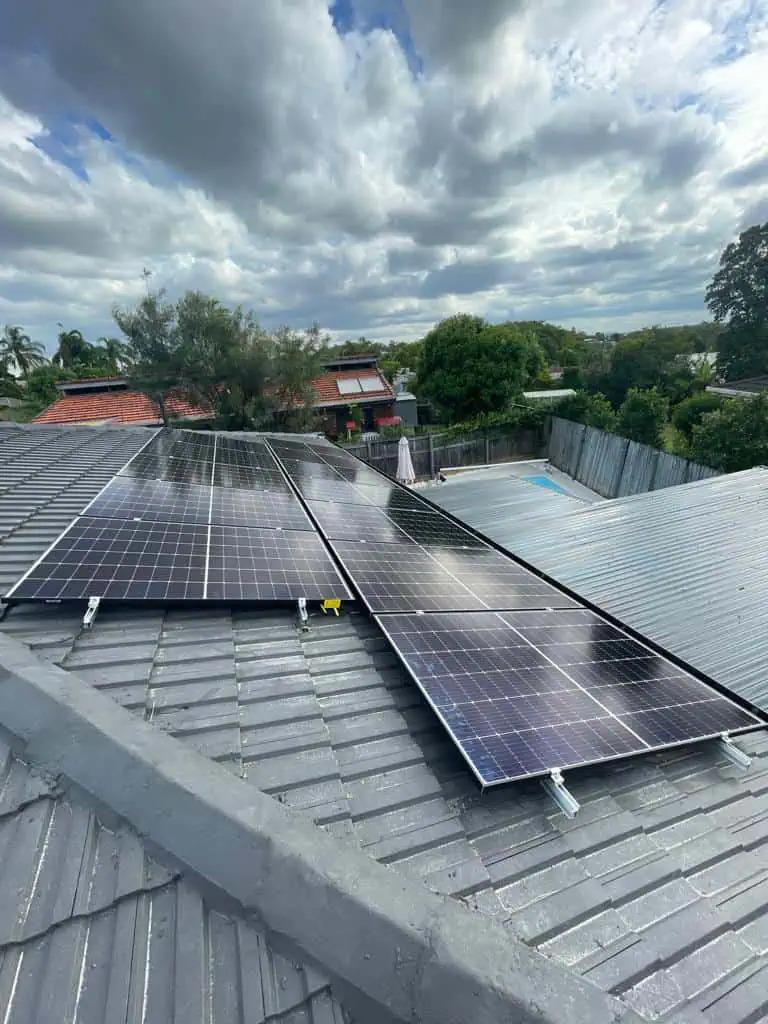
Agriculture is becoming increasingly dependent on reliable and affordable energy. From irrigation pumps and water treatment systems to cold storage, grain handling, livestock facilities, and processing equipment, electricity plays a vital role in modern farming operations. As energy costs continue to influence agricultural profitability, commercial solar panel installation for agriculture has emerged as a practical way for farms and agribusinesses to reduce electricity expenses while improving long-term energy independence.
Why Solar Energy Makes Sense for Agricultural Businesses
Agricultural operations often have substantial daytime electricity requirements. Irrigation pumps, refrigeration equipment, ventilation systems, processing machinery, and other electrical loads can consume significant amounts of power.
Solar panels can help businesses generate electricity on-site during daylight hours, potentially reducing their reliance on grid electricity. A properly designed commercial solar system can also provide greater visibility over future energy costs.
For agricultural businesses, the benefits can include:
- Reduced electricity bills
- Lower exposure to rising energy prices
- Greater energy independence
- More predictable long-term operating costs
- Reduced carbon emissions
- Better use of available roof or land space
- Potential improvement in the property's long-term value
However, the financial case can become even more attractive when available government incentives are incorporated into the project.
What Are Government Solar Incentives?
Government incentives are financial or regulatory measures designed to encourage businesses and property owners to adopt renewable-energy technologies. For agricultural operations, these programs can make commercial solar installations more financially accessible.
The exact incentives vary according to location and eligibility requirements. Common forms of support include rebates, tax benefits, grants, financing programs, and renewable-energy certificates.
1. Solar Rebates and Grants
Some government programs provide rebates or grants toward eligible renewable-energy installations. These incentives may cover a portion of equipment, installation, or associated project costs.
Because rebate programs can have specific application windows, funding limits, technical requirements, or eligibility criteria, businesses should verify the current conditions before beginning a project.
2. Tax Incentives
Tax-based incentives can provide another way for businesses to reduce the effective cost of a solar investment. Depending on the applicable tax system, eligible commercial solar equipment may qualify for deductions, credits, depreciation benefits, or other tax treatment.
Businesses should obtain professional tax advice before making assumptions about eligibility, as tax benefits can depend on factors such as business structure, asset ownership, and applicable legislation.
3. Renewable Energy Certificates
In some markets, businesses installing eligible renewable-energy systems may be able to participate in renewable-energy certificate schemes.
Agricultural businesses should determine whether their proposed system, location, capacity, and installation arrangements qualify under the relevant renewable-energy scheme.
4. Government-Supported Financing
Another form of assistance can come through government-backed or government-supported financing initiatives. These programs may provide access to more favourable financing conditions for eligible energy-efficiency or renewable-energy projects.
5. Incentives for Energy-Efficient Agriculture
Some agricultural sustainability programs extend beyond solar panels and support broader energy-efficiency improvements.
A business may potentially combine solar generation with technologies such as:
- High-efficiency irrigation systems
- Energy-efficient pumps
- Battery storage
- Smart energy management systems
- Efficient refrigeration
- Electrification of agricultural equipment
Combining multiple improvements can help businesses create a more comprehensive energy strategy rather than treating solar as a standalone investment.
Solar for Irrigation and Agricultural Operations
Irrigation is one area where solar energy can have a particularly meaningful impact. Farms can use solar-generated electricity to support water pumps and other irrigation infrastructure, particularly when pumping requirements coincide with daylight solar production.
For larger agricultural properties, battery storage may also be considered where storing excess solar generation provides operational or financial advantages.
Understanding Eligibility Before Investing
Government incentives should not be viewed as an automatic discount available to every agricultural property. Programs generally have eligibility requirements.
Before proceeding with an installation, businesses should investigate:
Property eligibility: Is the agricultural property or business eligible for the relevant program?
System size: Does the proposed solar installation fall within the required capacity limits?
Equipment requirements: Are there specific standards for panels, inverters, batteries, or other equipment?
Installer requirements: Does the installation need to be completed by an approved or accredited professional?
Application requirements: Does funding need to be approved before installation begins?
Business structure: Are there different rules for farms, companies, partnerships, or other entities?
Program availability: Is funding currently available, and are there deadlines or annual limits?
These details can determine whether an agricultural business can actually receive the advertised incentive.
How Incentives Can Improve the Solar Business Case
The economics of commercial solar should ideally be assessed using the total project cost, rather than focusing only on the purchase price of solar equipment.
A simplified assessment could consider:
Net Solar Investment = Installation Cost − Eligible Incentives
The business can then evaluate the potential financial return based on factors such as electricity savings, energy consumption, solar generation, maintenance, financing costs, and system lifespan.
For example, if an agricultural business has high daytime electricity consumption, solar generation may offset a significant portion of its grid electricity use. When eligible incentives reduce the initial investment, the project may achieve a more attractive payback period.
Actual results will vary considerably between properties, so a site-specific assessment is essential.
Don't Overlook Solar Installation Quality
Government support can reduce the cost of installing a solar system, but it should not be the only factor influencing the purchasing decision.
A commercial solar installation should therefore consider:
- Structural suitability
- Panel positioning and shading
- Electrical infrastructure
- Inverter capacity
- Future energy requirements
- Equipment accessibility
- Safety requirements
- Maintenance access
- Potential battery integration
- Local environmental conditions
A professionally designed system can help ensure that the installation delivers reliable performance over its expected operating life.
Government Incentives Are Only One Part of the Equation
Incentives can make commercial solar more affordable, but agricultural businesses should evaluate the entire investment.
The strongest solar strategy considers energy consumption, available incentives, electricity rates, system performance, financing, maintenance, and future business requirements together.
For example, a farm expanding its cold-storage facilities or installing additional electric equipment may have significantly different solar requirements five years from now. Designing the system with future expansion in mind can help prevent unnecessary upgrades later.
Conclusion
Government incentives can play an important role in encouraging agricultural businesses to invest in renewable energy. Rebates, grants, tax advantages, renewable-energy certificates, and financing initiatives may help reduce the financial barrier associated with commercial solar panel installation for agriculture.
Preventing Failures: Beneficial Practices to Extend Solar Inverter Lifespan in Australia
Choosing the Right Inverter for Longer Lifespan in Commercial Solar Installations in Australia

 English
 Arabic
 French
 Spanish
 Portuguese
 Deutsch
 Dutch
 Italiano
 Russian
 Romaian
 Portuguese (Brazil)
 Greek