


Why Quality Matters: Choosing RR Kabel Wires and Cables for Industrial Projects
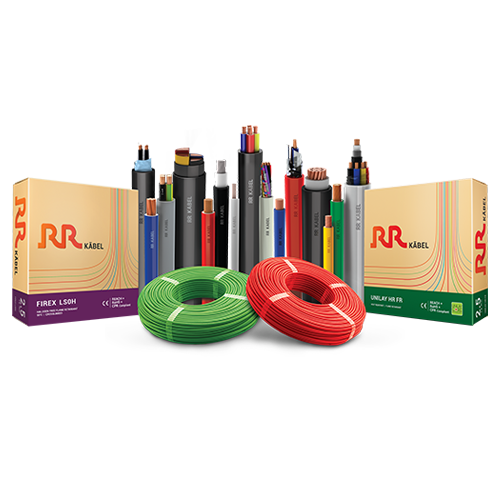
Electrical infrastructure is one of the most important foundations of any industrial project. Manufacturing facilities, warehouses, processing plants, commercial buildings, and infrastructure projects all depend on electrical cables to transfer power safely and reliably. Because cables remain hidden within much of the installation, their quality can sometimes be overlooked. However, selecting the right wires and cables can have a direct impact on electrical safety, system performance, maintenance, and long-term reliability.
RR Kabel wires and cables offer a wide portfolio of electrical solutions for different applications. For industrial projects, selecting an appropriate cable involves considering technical requirements, environmental conditions, installation methods, and applicable standards rather than focusing only on the initial purchase cost.
Reliable Electrical Performance
Industrial facilities operate numerous machines and electrical systems simultaneously. Motors, pumps, compressors, conveyors, control systems, lighting, and automation equipment can create substantial electrical demand.
Quality cables selected with the correct conductor size and electrical rating can support dependable power transmission. Proper sizing helps address factors such as current-carrying capacity and voltage drop, while appropriate insulation and construction characteristics help the cable perform according to its intended application.
RR Kabel provides different types of wires and cables designed for varied electrical requirements, allowing project teams to select products according to specific installation needs.
Safety Should Come First
Electrical safety is a critical consideration in industrial environments. An unsuitable cable, incorrect installation, excessive loading, or damaged insulation can create electrical hazards.
Quality cables are designed with insulation and construction characteristics appropriate for their specified applications. Depending on the product category, cables may be designed to meet particular electrical, mechanical, or environmental requirements.
However, cable quality alone does not guarantee a safe installation. Proper cable sizing, circuit protection, earthing, termination, routing, and installation practices are equally important. Industrial electrical systems should be designed and installed by qualified professionals.
Better Suitability for Industrial Applications
Industrial projects are rarely identical. A cable installed inside a control room may face very different conditions from one installed outdoors, underground, in a cable tray, or near industrial machinery.
Factors such as temperature, moisture, mechanical stress, chemical exposure, installation method, and operating voltage need to be evaluated before selecting a cable.
RR Kabel's range of wires and cables provides options for different applications. Project engineers can select suitable products based on the technical specifications and conditions of the installation.
Supporting Efficient Power Distribution
Energy efficiency is another consideration when designing industrial electrical systems. While cables are only one part of overall energy management, proper conductor selection can help manage electrical losses.
Cable size should be calculated based on the expected load, cable length, installation conditions, permissible voltage drop, and applicable design requirements. Selecting an appropriately rated cable can help prevent excessive voltage drop and support efficient operation of connected equipment.
This is especially relevant for industrial projects with long cable runs and high electrical loads.
Long-Term Reliability
Industrial electrical systems are expected to operate for extended periods, often under demanding conditions. Replacing cables after installation can be disruptive and expensive, particularly when cables are installed inside walls, underground, or in difficult-to-access areas.
Selecting suitable quality cables at the design stage can support long-term system reliability. Proper installation and routine inspection are also essential to maintaining cable performance over time.
Regular maintenance can help identify issues such as physical damage, overheating, deteriorated insulation, or loose terminations before they become more serious problems.
Supporting Industrial Automation
Modern manufacturing projects increasingly depend on automation and sophisticated control systems. Automated machinery, sensors, drives, control panels, and monitoring equipment require organized electrical and control connections.
A well-planned cabling system helps maintain clear separation and routing between different electrical circuits where required. Proper identification and documentation can also make future maintenance and troubleshooting easier.
Selecting cables appropriate for power, control, instrumentation, or other applications helps create a more organized industrial electrical infrastructure.
Easier Maintenance and Troubleshooting
Industrial downtime can affect production schedules and operating costs. When an electrical issue occurs, maintenance teams need to identify the affected circuit and resolve the problem efficiently.
Quality installation practices combined with clearly labeled cables and accurate electrical documentation can simplify troubleshooting. Appropriate cable selection also helps maintenance personnel identify replacement products according to established specifications.
A well-organized cabling infrastructure therefore contributes to easier maintenance throughout the operational life of an industrial facility.
Considering Future Expansion
Industrial projects may expand after the initial installation. Additional machinery, production lines, or electrical equipment can increase the facility's power requirements.
Electrical planning should consider potential future requirements where practical. However, additional loads should not be connected without checking the capacity of existing cables, distribution equipment, protection devices, and other components.
A qualified electrical engineer can assess whether modifications or upgrades are required before expanding the system.
Making the Right Cable Choice
Choosing RR Kabel wires and cables for an industrial project should begin with a detailed understanding of the application. Important factors include voltage rating, current requirements, conductor size, insulation type, installation environment, cable construction, mechanical requirements, applicable standards, and project specifications.
Comparing products based on technical documentation and application suitability can help project managers make informed purchasing decisions.
Conclusion
Quality electrical cables are an essential component of dependable industrial infrastructure. The right cable can support safe power transmission, efficient equipment operation, organized installations, and long-term maintainability.
RR Kabel wires and cables provide a range of solutions for different electrical applications, but the most suitable product should always be selected according to the project's technical and environmental requirements. When quality products are combined with correct engineering, professional installation, appropriate protection, and regular maintenance, industrial projects can establish a stronger and more reliable electrical foundation.
The Benefits of Using RR Kabel Wires and Cables in Industrial Applications
The Ultimate Guide to Selecting LAPP Cables and Wires for Industrial Applications

 Arabic
 French
 Spanish
 Portuguese
 Deutsch
 Turkish
 Dutch
 Italiano
 Russian
 Romaian
 Portuguese (Brazil)
 Greek