


How to Create a Modern Reception Space with the Right Desk, Table, and Furniture
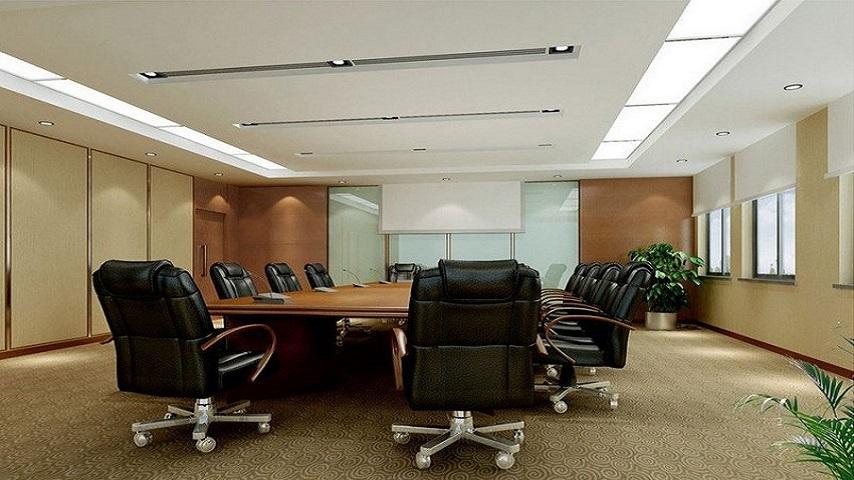
The reception area is often the first part of an office that clients, customers, and visitors experience. Its design can influence how people perceive the organisation before they interact with its employees. Creating a modern reception space requires more than choosing attractive furniture. The reception desk, tables, seating, lighting, storage, and overall layout should work together to create an environment that looks professional while remaining comfortable and practical.
Start With the Reception Desk
The reception desk is usually the visual centre of the entrance area. Its size, shape, material, and position can strongly influence the overall design.
A modern reception desk should be large enough to support computers, communication equipment, documents, and other essentials without appearing oversized. Clean lines, contemporary finishes, wood textures, glass elements, or subtle branding can create a distinctive appearance.
The desk should also be positioned where visitors can easily identify it as soon as they enter. Clear visibility helps create a smoother arrival experience.
Select Seating for Comfort and Style
Reception seating should provide visitors with a comfortable place to wait while complementing the overall interior. Depending on the available space, designers can use individual lounge chairs, compact sofas, benches, or modular seating.
The choice of upholstery, colour, and shape can influence the character of the reception area. Neutral colours can create a sophisticated appearance, while carefully selected accent tones can introduce personality without overwhelming the space.
Furniture should also leave sufficient room for visitors and staff to move around comfortably.
Add Functional Reception Tables
Small tables can make reception seating more practical. Visitors may need a surface for documents, phones, bags, or reading materials while waiting.
Side tables or central coffee tables can provide this functionality without taking up excessive space. Their materials and finishes should coordinate with the reception desk and seating to create a consistent visual language.
In smaller reception areas, compact or nesting tables can offer flexibility without making the room feel crowded.
Plan the Layout Carefully
Even attractive furniture can create problems if it is poorly positioned. The layout should provide clear pathways from the entrance to the reception desk, seating, meeting rooms, and other relevant areas.
Designers should consider visitor movement, staff access, accessibility requirements, and the amount of space required around furniture. Avoiding unnecessary obstacles can make the reception area feel more open and easier to navigate.
A well-planned layout can also make a smaller reception space appear more spacious.
Use Furniture to Reinforce Brand Identity
The reception area can become an extension of the company's visual identity. Furniture materials, colours, shapes, and finishes can be selected to complement the brand.
For example, a business with a minimalist identity may prefer simple furniture and neutral finishes, while a creative organisation may incorporate distinctive shapes or statement pieces.
Branding can also be incorporated into the reception desk wall, signage, furniture details, or decorative elements without making the area feel overly promotional.
Include Practical Storage
Reception desks often need to accommodate stationery, documents, visitor records, technology, and other everyday items. Without suitable storage, these items can quickly create clutter.
Built-in drawers, cabinets, concealed compartments, and shelving can provide practical storage while maintaining a clean appearance. Storage should be positioned so that staff can access it easily without interfering with visitor movement.
Consider Lighting and Materials
Furniture selection should work alongside the lighting and materials used throughout the reception area. Natural light can make the space feel open and welcoming, while well-planned artificial lighting can highlight the reception desk and important architectural features.
Materials such as wood, metal, glass, stone-effect surfaces, and textured panels can add visual depth. The key is to combine materials carefully so that the reception remains modern without becoming visually excessive.
Keep Maintenance in Mind
Reception furniture experiences regular use, so durability and maintenance should be considered during the design process. Surfaces should be easy to clean, seating materials should be suitable for frequent use, and finishes should be selected according to the expected level of traffic.
Choosing durable furniture can help maintain a professional appearance over the long term and reduce the need for frequent replacements.
Conclusion
A modern reception space should combine visual appeal with comfort, functionality, and efficient planning. The right reception desk can establish a strong focal point, while suitable seating and tables can improve visitor comfort. Thoughtful storage, coordinated materials, practical lighting, and a well-planned layout can complete the environment.
The most effective reception designs are created by considering how the space will actually be used. When every piece of furniture has a clear purpose and contributes to the overall design, the reception area can become a welcoming and professional introduction to the organisation.
How Modern Architects and Designers Are Redefining the Modern Workspace
How Professional Turnkey Projects Simplify Commercial Space Development

 English
 Arabic
 French
 Portuguese
 Deutsch
 Turkish
 Dutch
 Italiano
 Russian
 Romaian
 Portuguese (Brazil)
 Greek