


Automated Litter Box Technology for Cleaner Homes
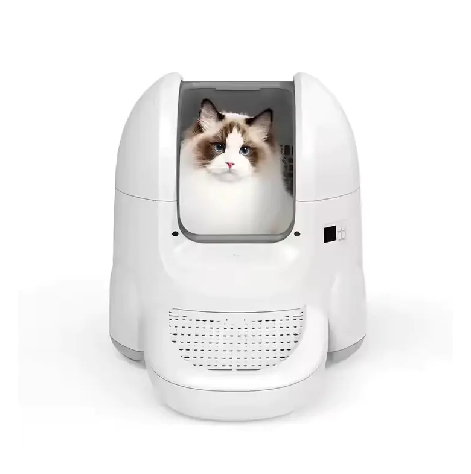
Maintaining a clean litter area is an important part of indoor cat care, but daily scooping can become a repetitive task for busy households. A Cat Litter Box Automatic Cleaning system combines a litter container with a mechanism designed to separate waste from reusable litter. Depending on the model, it may use a rotating drum, moving rake, or another automated cleaning structure. Sensors and electronic controls can also help coordinate cleaning cycles. For manufacturers and distributors, product development requires a balance of cleaning performance, feline comfort, safety, and straightforward maintenance.
The cleaning mechanism is central to the product's operation. Rotating designs move litter through a screening process, allowing waste to be separated and transferred into a collection compartment. Rake-based systems use a moving component to guide waste toward a designated area. Each mechanism has different structural and maintenance requirements. The size of the cleaning chamber, movement path, screening design, and motor performance all influence the finished product. Manufacturers should evaluate compatibility with the intended litter type because different materials can behave differently during automated cleaning.
Sensor technology helps coordinate the cleaning process. Depending on the model, sensors may detect a cat entering or leaving the unit, monitor activity, or prevent a cleaning cycle from starting while an animal is inside. Some systems also use a programmed delay after use to allow waste to form before removal. Sensor positioning and response consistency are important because inaccurate detection can interrupt normal operation. Product testing should examine different usage situations, including repeated entry and exit, temporary obstruction, and changes in the surrounding environment.
Safety deserves particular attention because cats interact directly with the appliance. The entrance should provide comfortable access, and the interior should offer enough room for the intended cat to enter, turn, and leave. Moving components need suitable protective measures, while the control system should respond appropriately to detected presence or obstruction. Stable construction can reduce unwanted movement during operation. Manufacturers should provide clear instructions for introducing cats to the unit, explaining its operating cycle, and supervising initial use where appropriate.
Material selection affects durability and cleaning convenience. The litter chamber should use materials suitable for repeated contact with litter, moisture, and waste. Smooth surfaces and removable components can make residue easier to remove, while a stable outer housing helps the unit withstand normal household use. The waste compartment should be accessible without requiring extensive disassembly. Manufacturers should also consider how materials respond to repeated cleaning and whether frequently handled components can be replaced when necessary.
Odor management is a common purchasing consideration. Some models use enclosed waste compartments, fitted covers, or compatible odor-control accessories to help contain unpleasant smells. The effectiveness of these features depends on the design, cleaning frequency, litter type, and time between waste removal cycles. Automated cleaning may reduce the amount of waste remaining in the main litter area, but it does not eliminate the need to empty the collection compartment or clean the unit. Product information should describe odor-control features realistically and identify any consumables that require replacement.
Maintenance-friendly construction supports consistent operation. Removable trays, accessible waste bins, and clearly separated electrical and washable components can simplify routine care. Litter dust and residue may accumulate around sensors or moving parts, so owners need instructions for inspecting and cleaning these areas. The manual should identify which components can be washed and which should only be wiped. Replacement liners, filters, or other compatible accessories should be clearly identified to help customers maintain the appliance correctly.
Smart functions can provide additional convenience when they address practical needs. Depending on the model, users may be able to adjust cleaning schedules, receive waste-bin alerts, monitor usage, or review operating status through a mobile application. A straightforward control panel may be sufficient for households that do not need remote access. Connected models should offer clear setup procedures and reliable communication. Manufacturers should also explain network requirements and distinguish standard functions from optional features that vary across configurations.
For importers, retailers, and private-label businesses, evaluating a Cat Litter Box Automatic Cleaning system involves more than comparing appearance and electronic functions. Buyers should examine the cleaning mechanism, litter compatibility, interior dimensions, sensor behavior, waste capacity, noise, maintenance access, and replacement-part availability. Model-specific specifications and applicable safety documentation should be confirmed before bulk purchasing. Customization may include logo placement, colors, packaging, and selected functional configurations, depending on manufacturing capabilities. Businesses developing a broader pet-care assortment can explore PAWTECH's range at https://www.pawtechpet.com/product/pet-clothing/ for related wholesale and private-label opportunities.

 English
 Arabic
 French
 Spanish
 Portuguese
 Deutsch
 Turkish
 Dutch
 Russian
 Romaian
 Portuguese (Brazil)
 Greek