


What Should Chendiao Semi-Automatic Metal Cutting Band Saw Machine Buyers Check
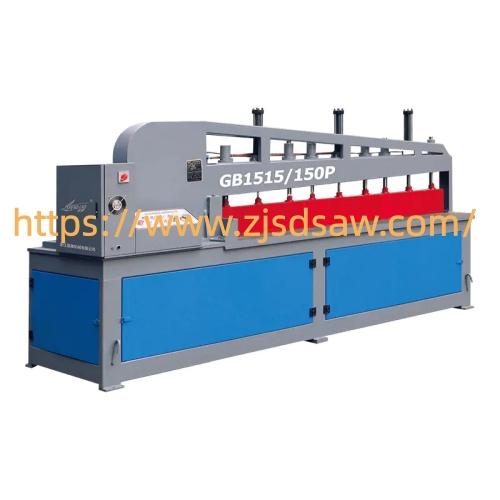
Semi-Automatic Metal Cutting Band Saw Machine selection begins with understanding the materials, cutting tasks, and working conditions in your facility. For manufacturers handling steel bars, tubes, profiles, and other metal stock, the right equipment should match everyday production needs rather than simply look suitable on a specification sheet. Buyers can make a more informed decision by reviewing cutting capacity, operating methods, material handling, maintenance requirements, and supplier support before placing an order.
Start by identifying the materials your workshop processes most often. Different workpieces have different dimensions, shapes, and cutting characteristics. A machine designed for one range of stock may not accommodate another without changes to the setup. Prepare a list of common material types, maximum dimensions, and typical cutting lengths before speaking with a supplier. If your business handles both small batches and longer production runs, explain these differences so the proposed configuration reflects your actual workload.
Cutting capacity should be checked carefully. Look at the machine specifications for the dimensions it can accommodate at the required cutting angle. Round bars, rectangular sections, and bundled materials may have different capacity limits. Buyers should not assume that a stated maximum applies to every workpiece shape. Ask the supplier to clarify the operating range for the materials you intend to use. This simple step can help prevent purchasing equipment that does not fit important jobs in your regular order list.
The next consideration is how the machine manages the cutting cycle. Semi automatic equipment generally combines operator involvement with mechanical functions that control parts of the process. Depending on the model, the operator may position the material, secure it, start the cycle, and monitor the operation while the machine controls selected movements. Buyers should understand exactly which tasks are handled by the equipment and which remain manual. This distinction helps production managers estimate staffing needs and plan work between different stations.
Clamping is another important factor. The workpiece needs to remain properly secured during cutting, especially when dealing with heavier stock or materials with uneven surfaces. Ask how the clamping system accommodates the dimensions and shapes used in your facility. Check whether adjustments are straightforward when changing between jobs and whether the operator can access the working area safely. Appropriate workpiece support, together with suitable blade selection and operating parameters, contributes to a consistent cutting process.
Blade specifications deserve attention before a purchase is finalized. Blade width, tooth pitch, material compatibility, and operating speed can influence the way a machine handles different workpieces. A blade suitable for a solid steel bar may not be the right choice for a thin walled tube. Buyers should ask the supplier for guidance on selecting blades for their common applications. They should also check how blade tension is adjusted, how replacement is performed, and whether consumables are readily available.
Production planning can reveal other practical requirements. A workshop handling many different orders may need to change settings regularly, while another facility may process similar workpieces throughout the day. Consider how long it takes to prepare a new job, reposition material, and complete routine checks. If material handling is a frequent bottleneck, review whether roller supports or other suitable accessories could help organize movement through the cutting area. These details can matter as much as the machine itself when arranging a production line.
Maintenance and service arrangements should be discussed before delivery. Ask about routine inspection points, lubrication requirements, cleaning procedures, and recommended service intervals. Metal cutting produces chips and debris, so the machine and its surrounding work area need regular attention. Operators should know how to identify unusual noise, changes in cutting behavior, or other signs that inspection may be required. Access to replacement parts and technical assistance can also influence how effectively a factory manages unexpected maintenance needs.
Safety and installation requirements complete the purchasing checklist. Confirm the required floor space, electrical supply, material loading area, and access for servicing. Operators should receive suitable training on machine controls, clamping procedures, blade handling, and emergency stops. A demonstration before acceptance can help the team understand the normal operating sequence and clarify questions about daily use. Buyers should also review the documentation provided with the machine and establish who will be responsible for inspections and operator training.
When evaluating suppliers, compare their responses against your actual production requirements rather than relying on general descriptions. Share representative workpiece dimensions, cutting quantities, and expected working schedules. Ask about available configurations, delivery arrangements, installation guidance, and after sales service. Chendiao provides metal cutting equipment for industrial applications, and discussing your specific requirements can help identify a suitable option. Visit https://www.zjsdsaw.com/product/ to review the product range and find equipment options that may fit your workshop plans.

 Arabic
 French
 Spanish
 Portuguese
 Deutsch
 Turkish
 Dutch
 Italiano
 Russian
 Romaian
 Portuguese (Brazil)
 Greek