


Can Rockv DIN Standard Cast Steel Valves Meet Project Requirements
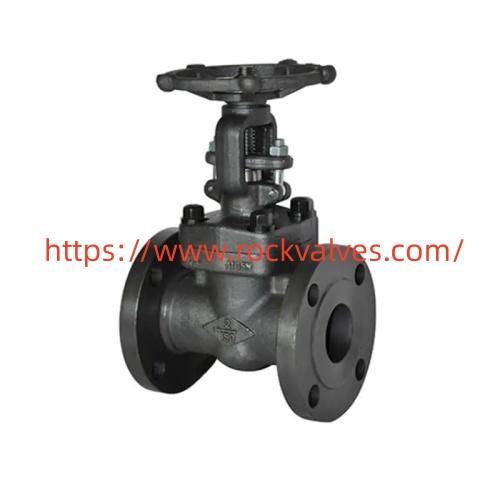
DIN Standard Cast Steel Valves help industrial pipeline operators coordinate equipment selection with established engineering specifications. In applications involving water, steam, oil, gas, and other process media, suitable valve construction supports isolation and flow management according to system requirements. However, selecting an appropriate product involves more than checking its nominal size or connection type. Buyers need to consider operating pressure, temperature, material compatibility, installation dimensions, and inspection expectations before confirming an order.
One important consideration is the operating environment. Different industrial facilities handle different fluids, and each medium creates its own requirements for equipment materials and internal components. A pipeline carrying hot steam, for example, may require different material properties from a line transporting water at moderate temperatures. Corrosive fluids may also require additional attention to body and trim compatibility. Buyers should provide the manufacturer with the medium composition, normal operating conditions, and any unusual process characteristics. These details help establish whether a proposed configuration is appropriate for the intended application.
Pressure and temperature ratings deserve particular attention during product selection. The allowable working pressure of a valve can change with operating temperature and material group. A pressure designation should therefore be reviewed together with the actual service temperature rather than treated as an independent figure. EN 12516-1 provides a method for determining the wall thickness of steel valve bodies, bonnets, and covers, and includes pressure-temperature ratings for specified material groups. Project engineers should confirm the applicable requirements and rating tables for their selected design.
Material selection is another important part of the process. Cast carbon steel and alloy steel grades are used in different industrial applications, depending on mechanical properties, temperature exposure, and fluid characteristics. The body and bonnet form the main pressure-containing structure, while the stem, disc, seat, and other internal parts perform different mechanical and sealing functions. Buyers should check the material designation for each relevant component instead of reviewing only the body material. Material certificates and traceability records can also help purchasing teams verify that supplied components correspond to the approved specification.
Connection dimensions need to match the existing pipeline layout. Buyers should confirm the nominal diameter, pressure designation, flange dimensions, facing type, drilling pattern, and face-to-face measurements where applicable. Even when two products have the same nominal size, differences in connection details may affect installation compatibility. For projects using PN-designated flanges, EN 1092-1 is a relevant reference for steel flange dimensions and associated connections. The engineering team should compare the product drawing with the pipeline drawing before approving production.
The internal design should also reflect the function required by the system. Some installations need reliable isolation, while others require flow regulation or frequent operation. Gate, globe, and check valve designs serve different purposes, so buyers should identify the required function before selecting a product. They should also consider flow direction, operating frequency, pressure loss, and available installation space. Providing this information early helps prevent a mismatch between the selected valve type and the actual process duty.
Manufacturing quality depends on a combination of casting control, machining accuracy, assembly procedures, and inspection. Casting quality can influence the integrity of pressure-containing components, while accurate machining helps ensure that mating surfaces and internal parts fit as intended. Buyers may request details about visual inspection, dimensional checks, non-destructive examination, and pressure testing. The inspection scope should reflect the purchase specification and the risks associated with the application. If third-party inspection or customer witness points are required, these arrangements should be agreed upon before production starts.
Documentation is equally important when equipment is supplied for a larger industrial project. A purchasing package may include approved drawings, material certificates, pressure test reports, inspection records, product identification details, and operating instructions. The exact document list depends on the contract and applicable project requirements. Clear documentation helps the purchaser review the delivered equipment and maintain records for future inspection or replacement. Manufacturers should also clarify which documents are included in the standard supply and which require separate agreement.
Installation and maintenance planning should not be overlooked. The available space around the pipeline affects access to handwheels, actuators, bolting, and service components. Pipe alignment and suitable support arrangements help avoid unnecessary external loads on connected equipment. Maintenance teams should understand the recommended inspection procedures and the availability of replacement parts. For equipment installed in difficult-to-access locations, buyers may also want to consider operating arrangements that make routine checks and servicing practical.
Before requesting a quotation, buyers can prepare a technical inquiry containing the valve type, nominal size, pressure designation, operating temperature, process medium, material requirements, connection details, quantity, and inspection expectations. Pipeline drawings and project specifications can provide useful supporting information. If any requirement remains undecided, it should be identified clearly so the manufacturer can discuss suitable configurations rather than make assumptions.
Industrial projects often involve several departments, from engineering and procurement to installation and maintenance. A clearly defined equipment specification helps these teams coordinate their decisions and reduces uncertainty during purchasing. Rockv provides cast steel valve products for industrial pipeline applications, with product selection and configuration discussions based on project conditions and technical requirements. Buyers planning new installations or equipment replacements can review the available product range at https://www.rockvalves.com/ and contact the Rockv team to discuss their application details.

 English
 Arabic
 French
 Spanish
 Deutsch
 Turkish
 Dutch
 Italiano
 Russian
 Romaian
 Portuguese (Brazil)
 Greek