


Teeth Grinding in Islamabad: Causes, Effects, and Ways to Protect Your Smile
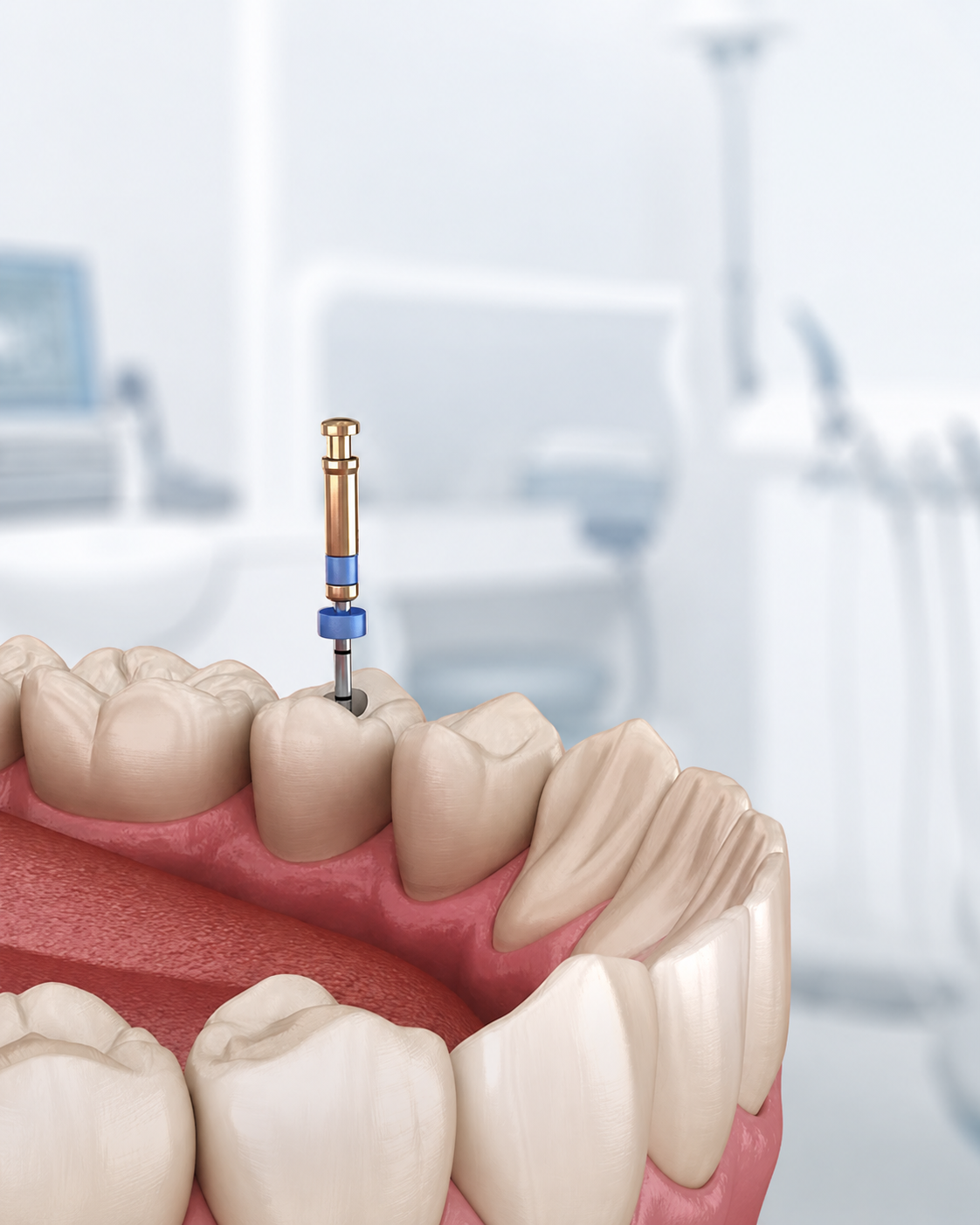
Teeth grinding is a common dental concern that can gradually damage teeth and affect everyday comfort. Many people grind or clench their teeth while sleeping without realizing it, while others do it during stressful situations. Understanding the causes and available solutions can help protect your oral health. Professional dental care, including advice about root canal in Islamabad when tooth damage becomes severe, can help patients manage related dental problems and maintain stronger teeth.
What Is Teeth Grinding?
Teeth grinding, also known as bruxism, happens when a person repeatedly clenches or rubs their upper and lower teeth together. It can occur during the day or at night. Sleep-related grinding is often harder to recognize because it happens unconsciously.
Some people experience mild grinding without noticeable symptoms. However, frequent or intense grinding can place excessive pressure on teeth, jaw muscles, and the joints responsible for jaw movement. Over time, this pressure may lead to discomfort and dental damage.
Common Causes of Teeth Grinding
There is no single cause of teeth grinding. Several physical, emotional, and lifestyle factors may contribute to the habit.
Stress and anxiety are commonly associated with daytime clenching and nighttime grinding. Sleep disturbances, including sleep-related breathing problems, may also be connected to bruxism. Other possible contributing factors include certain medications, caffeine consumption, alcohol, and tobacco use.
In children, teeth grinding can occur during development and may sometimes resolve without treatment. However, persistent grinding, pain, or visible tooth damage should be discussed with a dentist.
Signs and Symptoms to Recognize
Many people do not realize they grind their teeth until someone hears the noise during sleep or a dentist notices signs of wear. Recognizing symptoms early can help prevent further damage.
Common signs include:
-
Flattened, chipped, or worn-down teeth.
-
Jaw soreness or tightness, especially after waking up.
-
Frequent headaches around the temples.
-
Increased tooth sensitivity.
-
Pain or discomfort while chewing.
-
Disturbed sleep or tiredness in the morning.
Some symptoms can also be associated with other dental or medical conditions. A professional examination can help determine whether grinding is responsible.
How Teeth Grinding Can Affect Oral Health
Repeated grinding places additional pressure on the tooth surfaces. This can gradually wear away enamel, which is the protective outer layer of teeth. As enamel becomes thinner, teeth may become more sensitive to hot, cold, or sweet foods.
Severe grinding may cause cracks, fractures, damaged fillings, and discomfort around the jaw joints. In some cases, extensive tooth damage may require restorative procedures to rebuild or protect affected teeth.
Grinding does not always cause serious complications, but persistent symptoms should not be ignored. Early assessment can help reduce the likelihood of more extensive dental treatment.
Ways to Reduce Teeth Grinding
Managing teeth grinding often involves addressing contributing factors and protecting the teeth from further damage. A dentist may recommend a custom-fitted night guard, which creates a protective barrier between the upper and lower teeth during sleep.
Other practical steps may include:
-
Practising relaxation techniques before bedtime.
-
Maintaining a consistent sleeping schedule.
-
Reducing excessive caffeine, particularly in the evening.
-
Avoiding tobacco and limiting alcohol.
-
Taking regular breaks if you clench your jaw during work.
-
Being aware of daytime jaw tension and consciously relaxing the muscles.
These measures may help reduce symptoms, but they do not work equally for everyone. Treatment should be based on the individual's symptoms and possible underlying causes.
The Role of Professional Dental Assessment
A dental examination can identify signs of enamel wear, fractures, and jaw-related discomfort. The dentist may ask about sleep habits, stress, medications, and other symptoms to understand possible contributing factors.
Depending on the findings, treatment may involve a night guard, repairing damaged teeth, or discussing additional medical assessment when sleep-related concerns are suspected. Patients can also explore Enfield Royal Clinic Islamabad through Google to find general information about the clinic and its services.
It is important not to purchase a poorly fitting dental appliance without professional guidance, as an unsuitable device may cause discomfort or fail to provide adequate protection.
Protecting Teeth from Long-Term Damage
Preventive care plays an important role in maintaining healthy teeth. Regular dental checkups allow professionals to monitor changes in tooth surfaces and identify damage before it becomes more serious.
Using a mouthguard during contact sports, avoiding hard objects, and maintaining good oral hygiene can also support dental health. If you experience persistent jaw pain, headaches, or tooth sensitivity, arrange an appointment rather than relying only on home remedies.
For people looking into dental care options, Enfield Royal Clinic provides a starting point for learning about available services. A qualified dental professional can explain suitable options after examining the teeth and jaw.
Conclusion
Teeth grinding can affect tooth enamel, jaw muscles, and overall comfort when it happens frequently. Recognizing the warning signs, managing contributing habits, a

 English
 French
 Spanish
 Portuguese
 Deutsch
 Turkish
 Dutch
 Italiano
 Russian
 Romaian
 Portuguese (Brazil)
 Greek