


How to Evaluate an Auto Body Shop Before Authorizing Repairs: Training, Estimates, and Communication
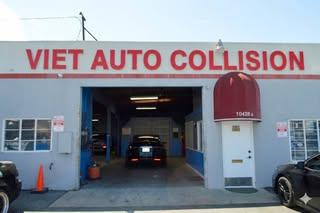
Choosing an auto body shop after an accident involves more than comparing prices or finding the nearest repair facility. A vehicle may have visible scratches and dents, but collision damage can also affect components hidden behind exterior panels, structural areas, electrical systems, and safety-related equipment. The quality of the repair depends on the shop's experience, technicians' capabilities, repair procedures, and willingness to explain the work.
For vehicle owners, the challenge is knowing what to check before handing over the keys. A professional-looking facility does not automatically guarantee competent repairs, and an inexpensive estimate does not necessarily represent the complete cost of restoring a vehicle properly.
A better approach is to evaluate three essential areas: technician training, estimate transparency, and customer communication. These factors help drivers understand what a shop can handle, what the proposed repairs involve, and what to expect throughout the process. Reviewing them before signing a repair authorization can prevent misunderstandings and make it easier to select a repair facility with confidence.
1. Evaluate Whether the Shop Has Experience With Your Type of Damage
Not every collision repair facility handles every type of damage in the same way. Some shops primarily perform cosmetic repairs, while others regularly work with structural damage, complex collision repairs, paint refinishing, and newer vehicle technologies.
Start by explaining what happened and describing the visible damage. Ask whether the facility regularly handles similar repairs and what inspection process it uses to identify problems that may not be immediately visible.
For example, a minor parking-lot collision might require bumper repair and refinishing. However, a stronger impact involving the same area could also damage mounting brackets, reinforcement components, or other underlying parts. The visible appearance alone cannot establish the full repair requirements.
Consider whether the shop can explain the difference between cosmetic damage and potentially structural damage. Its representative should be able to describe what requires further inspection and why a preliminary assessment might change after damaged components are removed.
You should also consider vehicle-specific experience. A shop working on a modern electric vehicle, luxury vehicle, or vehicle equipped with advanced driver assistance systems may need different knowledge and equipment from a facility performing routine exterior repairs.
Useful questions include:
-
Have your technicians repaired this make and model before?
-
Do you handle structural repairs and frame measurements?
-
How do you identify damage behind exterior panels?
-
Can you explain which repairs will require specialist equipment?
The purpose is not to find a shop that claims to repair everything. It is to find one that understands the work involved and is transparent about its capabilities.
2. Check Technician Training, Qualifications, and Shop Registration
Technician training is an important consideration because collision repair methods and vehicle construction continue to evolve. A procedure suitable for one vehicle may not be appropriate for another, particularly when manufacturers use different materials, joining methods, or electronic safety systems.
Ask the shop what training its technicians have received and whether that training relates to the repairs your vehicle requires.
Look for relevant, verifiable training
Rather than relying on general statements such as experienced technicians or certified professionals, request specific information.
For example, ask whether technicians have relevant training in:
-
Structural measurements and collision damage assessment.
-
Welding and panel replacement procedures.
-
Aluminum and high-strength steel repairs, where applicable.
-
Paint preparation, refinishing, and color matching.
-
Vehicle diagnostics and electronic safety systems.
-
Advanced driver assistance system inspection and calibration, when required.
Training should match the work being performed. A technician experienced in cosmetic refinishing may not necessarily have the same qualifications or practical experience as someone performing structural repairs.
You can also ask whether the shop follows the vehicle manufacturer's repair information for the specific year and model. This is particularly important when dealing with structural components, high-voltage vehicle systems, or safety-related equipment.
Verify the facility's registration
Training and registration are different things. A professional certification does not replace the requirement to operate under applicable state regulations.
In California, consumers can check an automotive repair facility's registration through the Bureau of Automotive Repair (BAR). Its public resources allow consumers to look up shop licensing information and review available disciplinary history.
The California Bureau of Automotive Repair's consumer guidance explains how to find a registered repair facility and check its license status.
Registration does not prove that every technician has specialized collision repair training. It is one important verification step, not a complete assessment of repair quality.
Ask who will perform the work
Another useful question concerns responsibility. Will the same technician handle the repair from assessment through completion, or will different specialists work on different stages?
Some facilities use outside providers for services such as glass replacement, specialized mechanical work, or certain electronic procedures. This arrangement is not automatically problematic. However, customers should understand which work is performed in-house and which work is subcontracted.
The more clearly a shop explains its team, qualifications, and responsibilities, the easier it becomes to evaluate its capabilities.
3. Examine the Repair Process and Available Equipment
A repair facility's equipment can provide additional insight into whether it is prepared to handle your vehicle's damage.
Modern collision repair may involve more than replacing a damaged panel and matching the paint. Depending on the vehicle and impact, technicians may need diagnostic equipment, structural measuring systems, specialized tools, and procedures for inspecting or calibrating safety-related systems.
Ask the shop how it determines whether these steps are necessary.
For example, a vehicle involved in a front-end collision may require additional inspection of components that are not visible during an initial exterior assessment. If the vehicle has sensors or driver assistance features in the affected area, ask how the facility determines whether further diagnostic work or calibration is needed.
You do not necessarily need to understand every technical operation. However, the shop should be able to explain why a particular process is appropriate.
It is also worth evaluating basic workplace organization. A clean work area, appropriate vehicle storage, organized equipment, and reasonable protection for customer vehicles all contribute to confidence in the facility's operating practices.
Do not judge repair quality solely by the appearance of the reception area. The more important consideration is whether the shop can explain and document its actual repair process.
4. Request a Detailed Written Collision Repair Estimate
An estimate is one of the most important documents to review before authorizing repairs. It explains the proposed work, provides expected costs, and establishes a reference point for future discussions.
Avoid making a decision based only on a verbal quotation or a single total price.
A useful written estimate should identify the work being proposed and provide information about expected parts and labor costs. Depending on the damage and vehicle, relevant details may include:
-
Damaged components requiring repair or replacement.
-
Parts and their descriptions.
-
Expected labor charges.
-
Painting and refinishing operations.
-
Additional inspections or diagnostic work.
-
Applicable fees and other disclosed costs.
In California, automotive repair dealers generally must provide an estimate before performing repairs. The Bureau of Automotive Repair explains that estimates identify the specific job and estimated prices for parts and labor.
Understand why estimates can change
Collision repair estimates are sometimes revised because the full extent of damage cannot be determined during an initial exterior inspection.
Consider a vehicle with a damaged rear bumper. An initial assessment might identify a replacement bumper and refinishing work. Once the bumper is removed, technicians may discover damage to mounting brackets or underlying structural components.
These findings can require additional parts, labor, and inspection procedures.
A changing estimate does not automatically mean that the shop is being dishonest. What matters is whether the newly identified work is explained, documented, and approved before the additional repairs begin.
Ask the estimator how the facility handles hidden damage and revised estimates. Also clarify whether a preliminary estimate is based on photographs, a physical inspection, or a more detailed assessment after partial disassembly.
Compare estimates carefully
Obtaining estimates from multiple facilities can help you understand the proposed repair scope. However, the lowest quotation should not automatically determine your decision.
Two estimates may differ because one includes additional operations, replacement components, refinishing steps, or inspections that the other does not mention.
Compare the actual work rather than the final number alone. Ask each shop to explain significant differences in the proposed repairs.
A reasonable estimate should leave you with a clear understanding of what the shop intends to do, what remains uncertain, and which circumstances could affect the final cost.
5. Understand the Repair Authorization Before Signing
A written estimate and permission to begin repairs are related, but they are not the same thing.
Before authorizing work, read the document carefully. Make sure the listed repairs reflect your understanding of what the shop has explained.
California's automotive repair requirements recognize written, oral, and electronic authorization. Customers should understand that authorizing a specific repair gives the facility permission to perform the work described.
Do not sign an incomplete or blank authorization form. Ask questions about any unfamiliar terms, charges, or repair operations.
Pay particular attention to the approval process for additional work.
If technicians discover more damage after disassembly, the shop should contact you and explain what was found, which additional repairs are recommended, and how the revised cost changes the original estimate.
You should have an opportunity to review this information before the additional repairs are authorized.
For better documentation, keep copies of estimates, revised work orders, written approvals, and relevant messages. These records can help resolve misunderstandings about what was agreed upon.
Also ask whether the facility charges for diagnostic inspections or disassembly when you decide not to proceed with the repair. Understanding any applicable charges before authorizing that work helps avoid unexpected expenses.
6. Evaluate How the Shop Communicates With Customers
Communication is easy to overlook when comparing repair facilities, but it can make a significant difference throughout the repair process.
Collision repairs may involve inspections, parts availability, insurance discussions, additional damage assessments, and changes to the estimated completion date. Without regular updates, customers can struggle to understand what is happening to their vehicles.
Before approving the work, find out how the shop communicates with customers.
Ask whether updates are provided by phone, text, email, or another agreed-upon method. You should also know whom to contact when you have questions about the repair.
Pay attention to how questions are answered
A helpful estimator should explain technical information without making customers feel uncomfortable asking questions.
For example, when discussing a replacement part, the representative should be able to explain the difference between original equipment manufacturer (OEM), aftermarket, used, and reconditioned components where relevant.
If a repair requires additional inspection, ask why it is necessary and whether it could affect the timeline.
A shop does not need to predict every possible delay. What matters is whether it provides realistic expectations and communicates significant changes.
Establish a clear update schedule
Before leaving your vehicle, clarify when you should expect the next update.
For example, you might agree on receiving an update after the initial inspection, when additional repairs are identified, and when the vehicle approaches completion.
This simple arrangement establishes expectations and reduces the need for repeated follow-up calls.
For drivers comparing providers in Orange County, reviewing a local auto body shop in Garden Grove can be part of the process of evaluating available collision repair services and customer support.
The important consideration is whether the facility provides the information you need to make informed decisions throughout the repair.
7. Understand Insurance Coordination and Your Right to Choose a Shop
Insurance involvement adds another consideration when evaluating a collision repair facility.
Some shops communicate directly with insurance companies, help organize claim documentation, and discuss revised estimates when additional damage is discovered. These services can simplify the process for vehicle owners.
However, insurance coordination should not replace your own understanding of the proposed repairs.
In California, an insurance company cannot require you to have your vehicle repaired at one specific body shop. The California Department of Insurance explains consumers' rights to choose their preferred repair facility.
Its guide, So You've Had an Accident, What's Next?, also discusses auto body repair shops and replacement parts.
Before authorizing repairs, ask whether the shop will communicate directly with your insurer and how it handles disagreements between the insurance estimate and the repair findings.
Also clarify your deductible, applicable policy coverage, and responsibility for any costs not covered by your insurer.
Never assume that every recommended repair or additional charge will automatically be covered. Coverage depends on the policy, claim circumstances, and applicable approvals.
A transparent shop should explain its role in the insurance process without making unsupported promises about payment or coverage.
8. Review Warranty Terms, Parts Information, and Final Inspection Procedures
The evaluation process should include what happens after the physical repair is finished.
Ask the facility whether it provides a written workmanship warranty and what that warranty covers.
Important details include the duration of coverage, eligible repair work, exclusions, and whether the warranty remains valid if the vehicle changes ownership.
A warranty focused on workmanship may not cover every part, outside component, or future problem involving the vehicle. Read the actual terms rather than relying on a general statement that repairs are guaranteed.
You should also understand what replacement parts will be used. Depending on availability, vehicle requirements, and insurance arrangements, repairs may involve OEM, aftermarket, used, or reconditioned parts.
Ask how the shop identifies the proposed parts and whether their suitability for your vehicle can be explained.
When repairs are complete, request the final invoice and review it against the authorized work. In California, the repair invoice must identify the work performed and provide information about supplied parts.
Before accepting the vehicle, participate in a final inspection.
Check panel alignment, paint appearance, gaps around repaired components, and the general condition of the vehicle. Ask the representative to explain any repair areas that are difficult to inspect visually.
If the repair involves structural damage or safety-related systems, ask what inspection, diagnostic, or calibration documentation is available.
Keep the final invoice, warranty documents, and relevant repair records for future reference.
9. Recognize Warning Signs Before Authorizing Repairs
A few warning signs deserve particular attention when evaluating an auto body shop.
Be cautious when a facility refuses to explain its estimate, avoids questions about technician experience, or gives vague answers about the proposed repair procedures.
Other concerns include:
-
Pressure to authorize repairs before reviewing the documents.
-
Unexplained differences between the original and revised estimates.
-
Refusal to discuss the types of parts being installed.
-
Unclear responsibility for subcontracted work.
-
Promises that the insurer will cover every expense without reviewing the policy.
-
No clear procedure for communicating delays or additional findings.
One isolated issue does not necessarily establish that a shop is unreliable. However, repeated problems with transparency, documentation, or communication should make you reconsider your decision.
A professional repair facility should welcome reasonable questions because an informed customer is better prepared to understand the repair process.
Conclusion: Make an Informed Decision Before Handing Over Your Vehicle
Evaluating an auto body shop before authorizing collision repairs requires more than looking at online reviews or comparing estimates. Drivers should examine technician training, relevant experience, shop registration, repair procedures, written documentation, and communication practices.
A detailed estimate helps establish expectations, while a clear authorization process protects both the customer and the repair facility when additional damage is discovered. Consistent communication also makes it easier to understand changes during the repair process and address questions before they become disagreements.
Take time to verify the facility, discuss the proposed work, and understand the terms before signing. Choosing a repair shop based on its capabilities and transparency can make the experience more manageable and help you make a better-informed decision about restoring your vehicle.

 English
 Arabic
 French
 Spanish
 Portuguese
 Deutsch
 Dutch
 Italiano
 Russian
 Romaian
 Portuguese (Brazil)
 Greek