


How to Help a Loved One Adjust to Life With a Catheter at Home
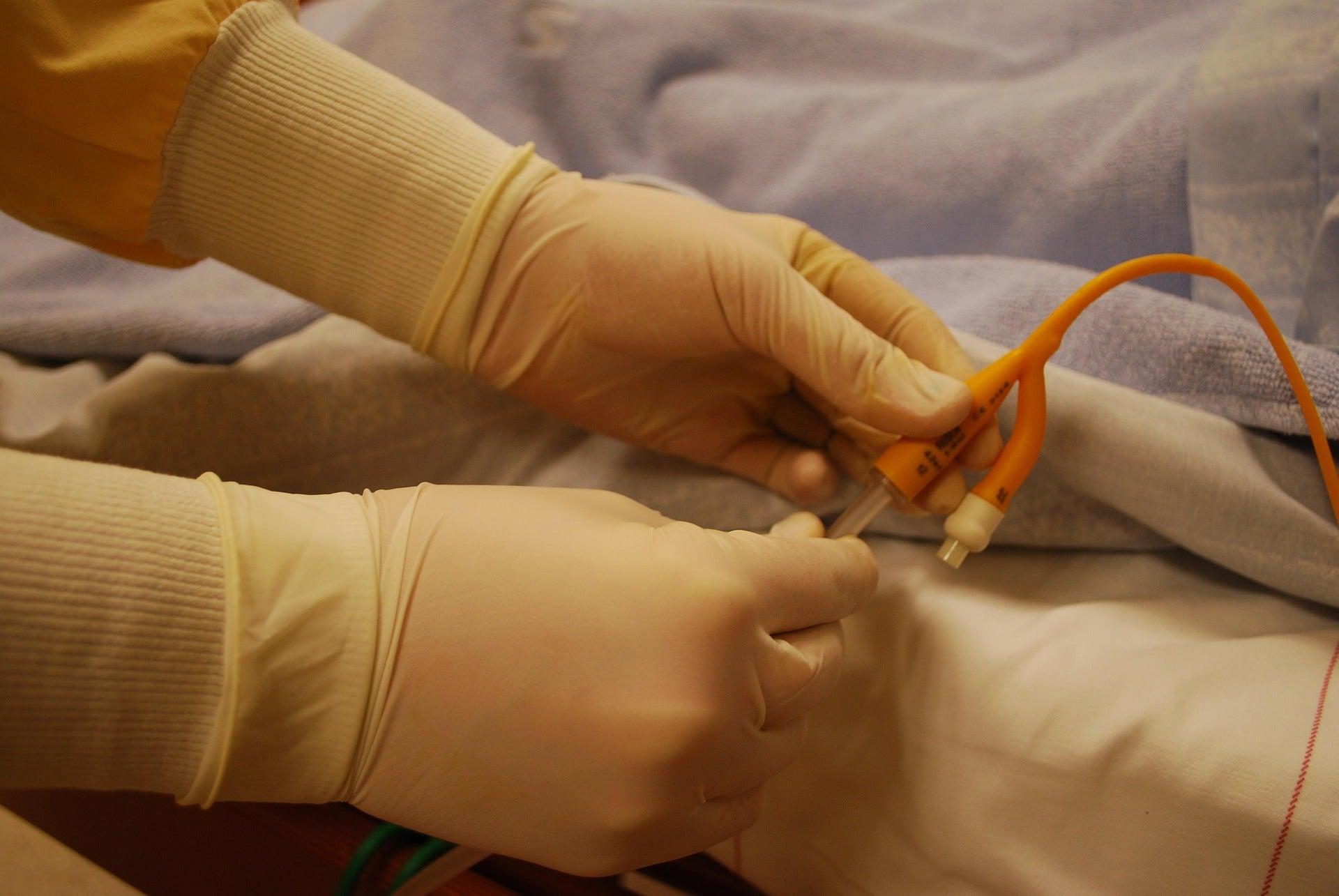
Adjusting to life with a urinary catheter can be challenging for patients and their families, especially when catheterization becomes part of a long-term healthcare routine. Whether a loved one needs a catheter following surgery, because of urinary retention, or due to a chronic medical condition, emotional support and proper daily care can make the transition easier. Professional Catheter Care at Home Dubai services provide valuable assistance through trained nurses who help patients maintain hygiene, comfort, and safety. Guidance from a Doctor at Home can also help families understand catheter management and address medical concerns without unnecessary hospital visits. With patience, reassurance, and a consistent care routine, caregivers can help loved ones adapt to this change while maintaining their dignity and independence.
Understanding the Emotional Impact of Living With a Catheter:
Using a urinary catheter can affect a person's emotional well-being, confidence, and everyday lifestyle. Some patients may feel embarrassed, anxious, frustrated, or uncomfortable discussing their condition, particularly during the initial adjustment period. They may worry about privacy, urine leakage, unpleasant smells, or becoming dependent on family members for personal care. Caregivers should recognize that these feelings are normal and provide reassurance without making the patient feel uncomfortable or helpless. Allowing loved ones to express their concerns, respecting their personal boundaries, and involving them in care decisions can improve their confidence. Understanding the emotional challenges associated with catheterization is an important first step toward creating a supportive home environment.
Explaining Catheter Care in a Simple and Reassuring Way:
Patients often feel more comfortable when they understand why a catheter is necessary and how it supports their medical treatment. Family members should explain the purpose of catheterization using simple, respectful language and encourage patients to ask questions about their care. They can discuss how the catheter drains urine, why hygiene matters, and which daily activities may require additional attention. However, medical explanations should always follow the healthcare professional's guidance. Caregivers can help patients become familiar with their catheter and drainage bag gradually rather than overwhelming them with too much information at once. Understanding basic catheter management can reduce anxiety and help patients feel more involved in their recovery.
Establishing a Comfortable Daily Catheter Care Routine:
A predictable daily routine can make life with a catheter easier to manage. Patients should know when their hygiene needs will be addressed, when the drainage bag requires emptying, and how their catheter will be checked throughout the day. Consistency helps caregivers avoid missing essential maintenance steps while giving patients a greater sense of control. Daily care should include gentle cleaning of the genital area, handwashing before and after catheter handling, checking the tubing for kinks, and keeping the drainage bag below bladder level. A simple checklist can help families organize responsibilities:
-
Wash hands before and after handling the catheter.
-
Clean the surrounding genital area daily and whenever it becomes soiled.
-
Check that the drainage tubing is not twisted or compressed.
-
Empty the drainage bag regularly, before it becomes overly full.
-
Keep the drainage bag below bladder level.
-
Inspect the surrounding skin for redness or irritation.
-
Follow professional instructions for catheter replacement and maintenance.
A consistent routine supports hygiene while helping patients become more familiar with everyday catheter management.
Protecting Your Loved One's Privacy and Dignity:
Personal care can feel particularly sensitive for individuals who are adjusting to catheterization. Patients may feel uncomfortable when family members assist with genital hygiene, drainage bag emptying, or clothing changes. Caregivers should always respect their loved one's privacy and explain each care activity before beginning. Whenever possible, allow patients to complete tasks independently if they are physically capable and have received appropriate guidance. Use towels, curtains, or closed doors to maintain privacy during personal care. Avoid discussing the patient's catheter needs unnecessarily with other people. Respectful communication and sensitivity can help preserve dignity and strengthen trust between patients and caregivers.
Helping Patients Maintain Independence and Mobility:
Having a catheter does not automatically mean that someone must remain in bed or stop participating in everyday activities. Depending on their medical condition, patients may continue walking, sitting comfortably, enjoying hobbies, and spending time with family. Caregivers should encourage appropriate movement while following the healthcare provider's recommendations. The drainage bag must be secured correctly during movement, and the tubing should have enough flexibility to prevent accidental pulling. Patients should also avoid placing pressure on the catheter while sitting or sleeping. Helpful ways to support independence include:
-
Encourage gentle walking when medically appropriate.
-
Choose loose-fitting and comfortable clothing.
-
Keep the drainage bag secured during movement.
-
Arrange furniture to create clear walking pathways.
-
Allow patients to participate in manageable daily activities.
-
Provide assistance only when necessary.
Encouraging safe independence can improve confidence and help patients maintain a positive outlook.
Managing Common Catheter-Related Concerns at Home:
Patients may experience practical difficulties while adapting to catheter use, including leakage, discomfort, skin irritation, or concerns about urine drainage. Caregivers should respond calmly and avoid making the patient feel responsible for these problems. They can check whether the tubing is kinked or compressed and ensure that the drainage bag is positioned correctly. However, they should never pull, force, or independently reposition a catheter. If urine stops draining, leakage continues, or the catheter becomes displaced, professional medical advice is necessary. Patients should also seek prompt assessment if they develop fever, chills, lower abdominal pain, or new discomfort. Blood in the urine that is new or increasing should also be reported. Recognizing these concerns early can help prevent complications and ensure appropriate treatment.
Providing Emotional Support and Encouragement:
Emotional reassurance is just as important as physical catheter maintenance. Some patients may withdraw from social activities or feel less confident about their appearance and personal relationships after catheterization. Family members can help by maintaining normal conversations, encouraging hobbies, and involving loved ones in family activities whenever possible. Instead of constantly focusing on the catheter, caregivers should recognize the person's interests, abilities, and achievements. Small gestures, such as offering assistance without being asked or listening patiently to concerns, can make a meaningful difference. Families should also watch for persistent sadness, anxiety, or social withdrawal and discuss these concerns with a healthcare professional when necessary.
Understanding the Benefits of Professional Catheter Care at Home:
Managing catheter care without professional guidance can sometimes create uncertainty for family caregivers, particularly when patients require long-term assistance or have additional medical conditions. Professional nursing support can help families understand appropriate hygiene practices, drainage management, skin monitoring, and catheter-related warning signs. Catheter Care at Home Dubai services allow patients to receive assistance in a familiar environment while reducing the practical challenges associated with frequent healthcare facility visits. Qualified nurses can assess the patient's needs, provide appropriate catheter-related care, and educate family members about safe daily practices. This support can also reduce caregiver stress and help families feel more confident about managing their loved one's needs.
Creating a Supportive and Safe Home Environment:
A comfortable home environment can make the adjustment to catheterization much easier. Patients should have access to clean towels, appropriate hygiene supplies, comfortable clothing, and a convenient place to manage their drainage bag. The bathroom and bedroom should be arranged to support safe movement, particularly for elderly individuals or patients recovering from surgery. Caregivers should keep catheter supplies organized and dispose of used materials according to healthcare instructions. Maintaining adequate lighting, reducing obstacles, and providing a comfortable resting area can also improve everyday safety. Most importantly, family members should communicate openly and adapt the care environment as the patient's needs change.
Final Thoughts
Helping a loved one adjust to life with a urinary catheter requires patience, understanding, and consistent support. From maintaining daily hygiene and protecting personal dignity to encouraging mobility and providing emotional reassurance, caregivers play an important role in making catheter use more manageable. Professional Catheter Care at Home Dubai services can further support patients and families through qualified nursing assistance, practical education, and appropriate medical supervision. By creating a safe home environment and following professional recommendations, families can help their loved ones maintain comfort, confidence, and independence while adapting to life with a catheter.

 English
 Arabic
 French
 Spanish
 Portuguese
 Deutsch
 Turkish
 Dutch
 Italiano
 Russian
 Romaian
 Portuguese (Brazil)