


How Can Buyers Plan Tooling Projects with compositemould?
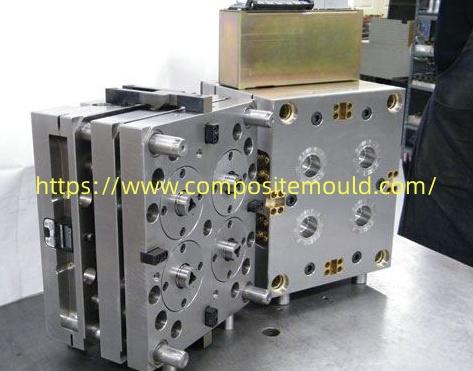
Composite Mould projects require careful coordination between product design, material selection, manufacturing conditions, and production planning. For overseas buyers, importers, engineering teams, and industrial manufacturers, choosing a suitable tooling partner involves more than comparing quotations. It is important to understand how the proposed design will work with the intended production process, what technical information the manufacturer needs, and how the finished tool will be evaluated before delivery. A structured purchasing process can help both parties establish clear expectations from the beginning.
Prepare Complete Product Drawings
The shape and structure of the finished component influence tooling development. Buyers should prepare product drawings, three-dimensional models, and technical specifications before requesting a quotation.
Particular attention should be given to wall thickness, curved sections, openings, connection points, ribs, and dimensional tolerances. These features may affect cavity construction, material distribution, and the removal of finished parts.
If the product is still under development, buyers should identify which dimensions are fixed and which features may be adjusted. This allows the engineering team to review potential design concerns before manufacturing begins.
Explain the Intended Production Process
Different manufacturing methods require different tooling arrangements. Buyers should explain the planned molding process and provide available information about the material, processing conditions, and production equipment.
For example, compression molding projects may involve specific requirements for heating, pressure, curing, and material placement. These conditions should be considered when determining the tooling structure.
It is also useful to discuss the expected production cycle and operating environment. A tool intended for repeated industrial production may require different maintenance and construction considerations from one used for product development or limited production runs.
Review the Internal Structure
Before approving a design, buyers should ask the manufacturer to explain its main structural elements. These may include cavity arrangements, parting surfaces, guide components, inserts, heating elements, and release mechanisms.
The design should provide practical access for inspection, cleaning, and routine maintenance. Replaceable inserts may also be worth discussing when certain product features could require adjustments during future production.
Buyers do not need to make every engineering decision themselves. However, reviewing the proposed structure and asking questions about important design choices can help prevent misunderstandings during manufacturing.
Discuss Heating and Material Behavior
Temperature conditions can influence the molding process and the dimensional characteristics of finished components. Buyers should provide material specifications and available processing information so the manufacturer can consider appropriate heating arrangements.
For projects involving large or complicated parts, it is useful to discuss temperature distribution across different areas of the tooling. The location of heating elements and temperature measurement points may require attention during design development.
Material behavior should also be considered when reviewing the cavity structure. Sharing information about shrinkage, curing conditions, and previous production experience can help engineers assess project requirements more accurately.
Define Surface and Appearance Standards
Appearance requirements should be clearly defined before machining starts. Buyers may need a smooth surface, a specified texture, visible markings, or particular finishing details depending on the application.
Written descriptions alone may not always communicate the expected result. Reference photographs, physical samples, and marked technical drawings can help manufacturers understand customer requirements.
It is also important to distinguish between functional surfaces and appearance-sensitive areas. This allows inspection work to focus on the features that matter to product installation, assembly, and presentation.
Establish a Sample Approval Process
Sample evaluation is an important stage before regular production. Buyers should agree on inspection requirements before the initial trial so both parties understand how results will be assessed.
Depending on the application, the inspection plan may include dimensional measurements, surface checks, assembly tests, and verification of specific functional features.
When a sample does not meet an agreed requirement, the buyer should provide clear feedback supported by measurements, photographs, or marked drawings. The manufacturer can then review the issue and discuss possible adjustments. Keeping a record of revisions helps both teams follow project progress.
Plan Maintenance and Future Modifications
A tooling project does not end when manufacturing is completed. Buyers should also consider how the tool will be stored, cleaned, inspected, and maintained during its working period.
Ask the manufacturer whether maintenance instructions, spare components, or technical documentation can be provided. It is also useful to understand which areas require regular inspection and how working surfaces should be protected during storage.
If future product revisions are possible, buyers can discuss modification options before approving the initial design. Early planning may help reduce the amount of work required when specifications change.
Confirm Communication and Delivery Details
International purchasing involves coordination across technical, commercial, and logistics teams. Buyers should confirm the project schedule, design approval procedure, manufacturing updates, inspection arrangements, packaging details, and shipping responsibilities.A clear communication process helps ensure that important revisions are shared with the correct people. It also gives both sides a common reference when discussing technical changes or delivery expectations.At compositemould, buyers can discuss product drawings, material requirements, tooling structures, and customized manufacturing plans with the team. Companies preparing a new project can visit https://www.compositemould.com/product/ to review available product information and communicate their specific requirements before placing an order.

 English
 Arabic
 French
 Spanish
 Portuguese
 Deutsch
 Turkish
 Dutch
 Italiano
 Romaian
 Portuguese (Brazil)
 Greek