


What Is the Difference Between a Mature Scar and an Active Scar?
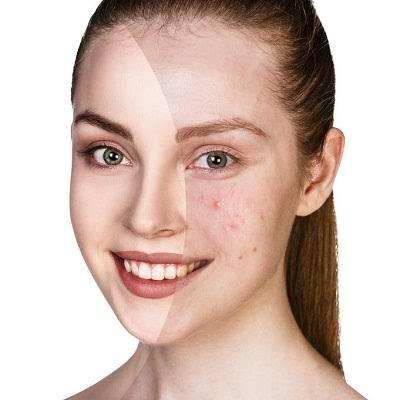
Not every scar is ready for the same treatment. Some marks have settled into the skin and remain relatively stable, while others are still changing in colour, thickness, or texture. Understanding this difference is important before choosing any cosmetic procedure.
A mature scar has generally completed most of its healing and remodelling process. An active scar, on the other hand, is still developing and may show signs of inflammation, redness, raised tissue, or ongoing changes. If you are considering treatment for a Facial Scar in Islamabad, knowing which stage your scar has reached can help you understand the available options.
What Is an Active Scar?
An active scar is one that is still undergoing the healing and remodelling process. It may appear red, pink, raised, firm, or slightly swollen, depending on the original injury and the body's healing response.
During this stage, the body continues producing and reorganising collagen to repair damaged tissue. Blood vessels may remain more visible, which can make the scar look red or darker than the surrounding skin.
An active scar is not necessarily a sign of poor healing. It may simply be part of the normal recovery process, although some scars develop abnormally and require medical attention.
What Is a Mature Scar?
A mature scar is one that has completed most of its healing and has become relatively stable. It often looks flatter, softer, and less red than it did during the earlier stages.
The colour may gradually become closer to the surrounding skin, although some scars remain darker, lighter, or visibly different. Their texture may also remain uneven even after the healing process has settled.
Mature does not mean invisible or completely healed to normal skin. It means the scar has generally reached a more stable stage, making its long-term appearance easier to assess.
How Are Active and Mature Scars Different?
The main difference is the stage of healing and the amount of change still taking place. An active scar may continue to change, while a mature scar is usually more stable.
Here are some common differences:
-
Colour: Active scars are often pink, red, or more noticeable, while mature scars may become pale, brown, or closer to the surrounding skin tone.
-
Texture: Active scars can feel firm, raised, or swollen. Mature scars are often softer and flatter, although this varies.
-
Healing activity: Active scars are still undergoing collagen remodelling, while mature scars have completed most of this process.
-
Treatment timing: Some procedures may be delayed until a scar becomes more stable, while selected treatments can be considered during the active stage.
-
Appearance over time: Active scars may change noticeably over several months, whereas mature scars usually show fewer spontaneous changes.
These differences help specialists decide whether observation, medical treatment, or a cosmetic procedure is appropriate.
How Long Does It Take for a Scar to Mature?
Scar maturation is a gradual process rather than something that happens overnight. In many cases, scars continue changing for around 12 to 18 months, although the timeline can vary depending on the injury, location, skin type, and healing response.
A small cut may settle relatively quickly, while a deeper surgical wound or burn injury may take longer to mature. Some raised scars and keloids can remain active or continue growing beyond the usual healing period.
People should avoid judging the final appearance too early. A scar that looks prominent in the first few months may become flatter and less noticeable as it matures.
What Causes a Scar to Remain Active?
Several factors can influence how long a scar stays active and how it develops. The depth of the original injury, infection, wound tension, genetics, and individual collagen production can all affect the healing process.
Some people naturally develop thicker scars, particularly after injuries to areas such as the chest, shoulders, and jawline. Keloids may extend beyond the original wound, while hypertrophic scars remain within its boundaries but become raised.
Repeated irritation, friction, or tension around a healing wound may also affect its appearance. Proper wound care and early medical advice can help manage certain healing complications.
Can an Active Scar Be Treated?
Yes, selected active scars can be treated, but the approach depends on their type and symptoms. Treatment does not always mean immediately using a laser or performing surgery.
For example, a raised hypertrophic scar may respond to silicone gel or sheets, pressure therapy in selected cases, or corticosteroid injections recommended by a specialist. If the scar is painful, itchy, growing, or restricting movement, medical assessment is particularly important.
Some laser treatments may also be considered during scar development to address redness or other specific concerns. However, the timing and suitability depend on the patient's skin and the type of scar.
Not every active scar should be treated aggressively. A specialist may recommend monitoring it while it continues to mature.
Which Treatments Are Considered for Mature Scars?
Once a scar becomes stable, its remaining appearance can be assessed more clearly. Treatment options depend on whether the main concern is a raised line, depression, uneven texture, or colour difference.
Laser Treatments
Certain laser procedures may help improve redness, pigmentation, or uneven texture. The appropriate laser depends on the scar's characteristics and the patient's skin tone.
Microneedling
Microneedling may help selected depressed scars and uneven skin texture by stimulating the skin's natural repair response. Multiple sessions may be required, and it is not suitable for every scar type.
Surgical Scar Revision
For some wide, irregular, or poorly positioned scars, surgical revision may be considered. The surgeon reshapes or removes selected scar tissue and closes the area carefully to create a potentially less noticeable line.
Steroid Injections
Raised hypertrophic scars and keloids may benefit from corticosteroid injections. These can help reduce thickness and firmness, although repeated treatment may be needed and recurrence is possible.
The best option depends on the scar's structure, not simply how old it is.
When Should You See a Specialist?
It is worth arranging an assessment if a scar continues to grow, becomes increasingly raised, causes persistent itching or pain, or changes unexpectedly. A scar that restricts movement or affects normal function should also be evaluated.
For facial scars, professional assessment can be particularly helpful because the skin's appearance and natural contours vary across different areas. A specialist can determine whether the scar is still active, has matured, or has developed into a condition such as a hypertrophic scar or keloid.
People searching for a Facial Scar in Islamabad treatment should discuss their medical history, previous procedures, and expectations during consultation. An accurate diagnosis helps avoid choosing a treatment that is unsuitable for the scar's current stage.
Does Scar Maturity Affect Treatment Results?
Yes, scar maturity can influence treatment planning and expected outcomes. A stable scar is often easier to evaluate because its colour, thickness, and shape are less likely to change significantly on their own.
However, some active scars respond well to early management, particularly raised scars that are becoming thick or uncomfortable. Waiting is not always the best choice, just as immediate cosmetic treatment is not always necessary.
Patients should understand that no procedure can guarantee complete scar removal. The realistic goal is to improve the scar's appearance, comfort, or function while minimising additional skin damage.
Final Thoughts
Understanding whether a scar is active or mature helps determine the right time and approach for treatment. While active scars may need monitoring or early medical management, mature scars can be assessed for procedures that improve their remaining texture, colour, or shape. Dynamic Aesthetic Clinic offers expertise in aesthetic scar treatments, with board-certified surgeons and advanced techniques to help patients explore suitable options for different facial scar concerns.

 English
 Arabic
 French
 Spanish
 Portuguese
 Deutsch
 Turkish
 Italiano
 Russian
 Romaian
 Portuguese (Brazil)
 Greek