


How Does Long-Term Vehicle Storage Affect Its Mechanical Condition?
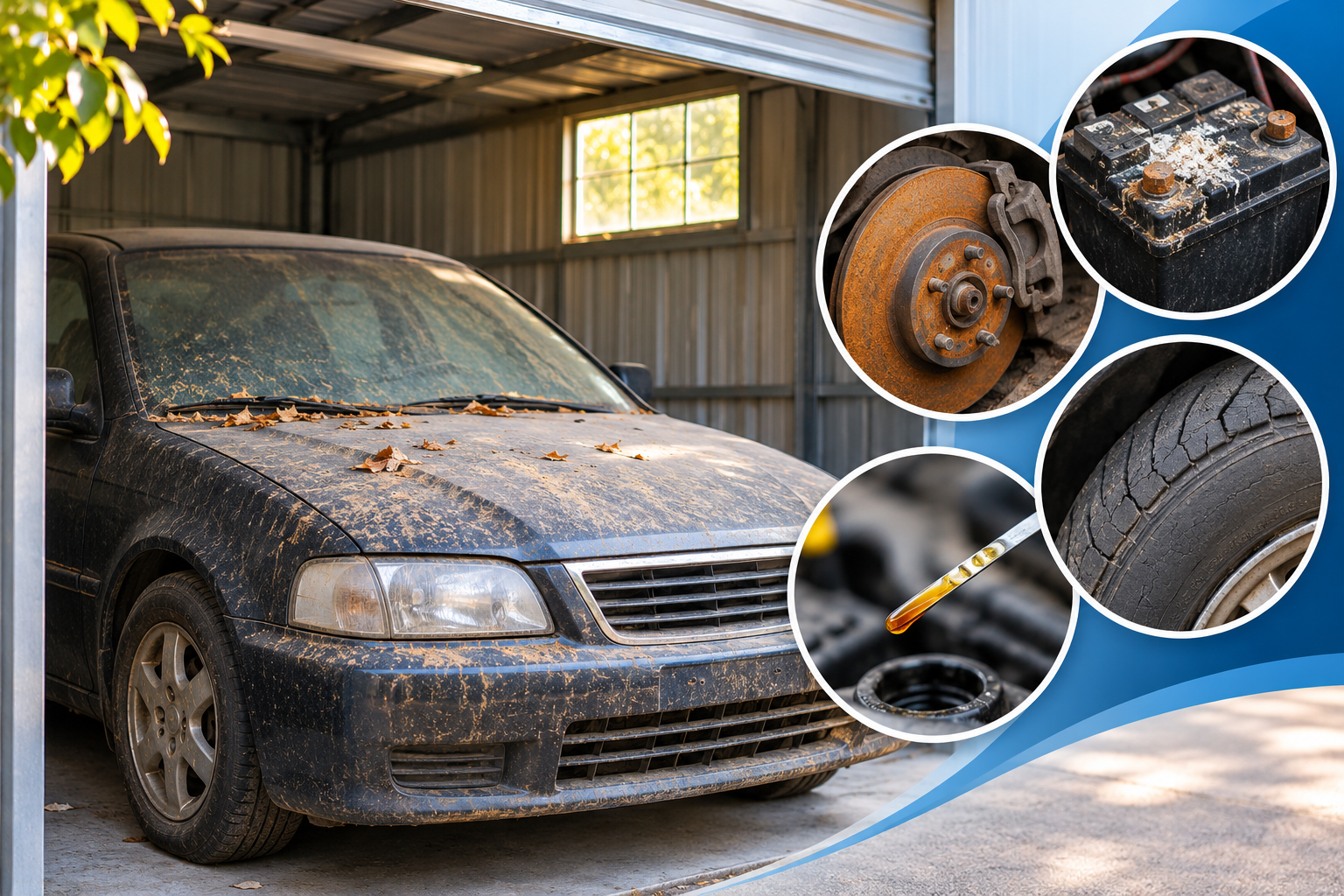
Leaving a vehicle unused for several months or years can cause mechanical problems that are not immediately visible. Although a parked car may appear protected from daily wear, prolonged inactivity can gradually damage its engine, battery, tyres, brakes, fuel system and other essential components. Vehicles are designed to operate regularly, allowing fluids to circulate, seals to remain lubricated and mechanical parts to function properly.
The severity of deterioration depends on storage conditions, maintenance history, climate and the length of inactivity. Understanding these effects helps vehicle owners prevent expensive repairs and determine whether an unused car remains suitable for driving.
Why Do Vehicles Deteriorate During Long-Term Storage?
A vehicle can develop mechanical problems even when its engine is not running. Moisture, temperature changes, chemical reactions and the natural ageing of materials continue while the car remains stationary.
Owners who leave vehicles unused for extended periods sometimes discover that restoring them costs more than expected. When severe corrosion, engine damage or multiple mechanical failures make repairs uneconomical, some consider scrap car disposal Brisbane services as an alternative to continuing storage.
However, not every stored vehicle becomes unsuitable for driving. Cars kept in dry, sheltered environments with appropriate maintenance generally experience less deterioration than those exposed to rain, humidity and extreme temperatures.
How Long-Term Storage Affects the Engine
The engine is particularly vulnerable to prolonged inactivity because many internal components depend on regular lubrication. When a vehicle remains parked, engine oil gradually drains away from surfaces that normally receive protection during operation.
Over time, moisture can accumulate inside the engine, particularly in environments experiencing frequent temperature fluctuations. This moisture may contribute to corrosion on exposed metal components.
Engine seals and gaskets can also deteriorate with age. Some materials become harder or less flexible, increasing the possibility of oil leaks when the vehicle eventually returns to operation.
Starting an engine after several years without proper inspection can therefore create unnecessary risks. Checking fluid condition, lubrication and visible damage before attempting to restart it is essential.
Battery Discharge and Electrical System Problems
Vehicle batteries naturally lose charge over time, even when the car is switched off. Modern vehicles also contain electronic systems that continue drawing small amounts of electricity while parked.
After several weeks or months, the battery may become deeply discharged. Prolonged discharge can cause sulphation in lead acid batteries, reducing their ability to accept and retain a charge.
Electrical connections may also develop corrosion when exposed to moisture. This can affect sensors, terminals, wiring and other components.
Using an appropriate battery maintainer during storage can help preserve battery condition. For vehicles already stored for extended periods, battery testing is advisable before attempting to start the engine.
Fuel System Deterioration and Contamination
Fuel quality changes during storage, creating potential problems for the engine and fuel delivery system. Petrol can oxidise and lose some of its desirable properties, particularly when exposed to heat and oxygen.
As fuel deteriorates, deposits may develop that interfere with injectors, pumps and other components. Petrol containing ethanol may also be affected by moisture absorption and phase separation under certain conditions.
Diesel vehicles face different storage concerns, including possible microbial contamination when water accumulates in the fuel system.
Fuel tanks, filters and lines should be inspected before restarting a vehicle that has remained unused for a long period. Severely degraded or contaminated fuel may need professional removal.
Tyre Damage and Loss of Roadworthiness
Tyres can deteriorate even when they have accumulated very little mileage. Remaining in the same position for months places continuous pressure on particular sections of the tyre.
This can lead to flat spotting, which may cause vibration or an uneven driving experience. Temporary flat spots sometimes disappear after driving, while more severe deformation may remain.
Rubber also ages through exposure to oxygen, sunlight and temperature changes. Sidewall cracking, hardening and structural deterioration can make older tyres unsafe.
Before returning a stored vehicle to the road, owners should inspect tyre condition, check inflation pressure and assess whether replacement is necessary.
Brake System Corrosion and Seized Components
Braking systems are especially susceptible to moisture during prolonged storage. Brake discs can develop surface rust relatively quickly, particularly when vehicles are parked outdoors.
Minor surface corrosion may disappear during normal braking, but extensive rust can damage braking surfaces and affect performance.
Brake callipers, pistons and other moving components may also become seized. Vehicles stored with the parking brake engaged for extended periods can experience additional problems if brake components become stuck.
Brake fluid absorbs moisture over time, potentially contributing to internal corrosion and reducing braking performance.
A complete brake inspection is important before driving a vehicle that has remained stationary for several months or longer.
Transmission and Suspension Problems
Transmission components and suspension systems can also suffer during extended inactivity. Although these parts experience less operational wear while parked, ageing fluids and deteriorating rubber components may still cause problems.
Transmission seals can harden, potentially allowing fluid leaks. Suspension bushes, protective boots and other rubber components may crack or lose flexibility over time.
Vehicles exposed to moisture may also develop corrosion around suspension mounting points and underbody components.
Before driving a previously stored vehicle, inspecting the transmission, suspension and steering system can help identify problems that might compromise handling or safety.
Rust and Structural Deterioration
Corrosion is one of the most serious consequences of improper vehicle storage. Moisture can accumulate beneath the vehicle, inside body panels and around exposed metal components.
Coastal environments can accelerate corrosion because airborne salt contributes to metal deterioration. Rust affecting the chassis, brake lines or structural mounting points may create significant safety concerns.
Unlike some minor mechanical problems, extensive structural corrosion can be expensive or impractical to repair.
Storing vehicles in dry, ventilated areas and regularly inspecting exposed metal surfaces can reduce these risks.
How to Protect a Vehicle During Extended Storage
Proper preparation significantly reduces the likelihood of mechanical deterioration. Owners planning to leave a vehicle unused should consider several preventive measures.
-
Choose suitable storage: Use a dry, sheltered and well ventilated location whenever possible.
-
Maintain battery charge: Connect a compatible battery maintainer or follow the manufacturer's storage instructions.
-
Protect the fuel system: Use appropriate fuel stabilisation procedures for petrol vehicles.
-
Check fluid condition: Inspect engine oil, coolant, brake fluid and transmission fluid.
-
Maintain tyre pressure: Follow manufacturer recommendations and periodically check for pressure loss.
-
Prevent corrosion: Clean exposed surfaces and address existing rust before storage.
-
Inspect for pests: Prevent rodents from accessing wiring, hoses and interior components.
Periodic inspections are generally more effective than leaving a vehicle completely unattended. Storage requirements also vary between conventional, hybrid and electric vehicles.
When Is Repairing a Long-Stored Vehicle No Longer Practical?
Restoring a vehicle after prolonged storage is not always financially sensible. The decision depends on its age, market value, mechanical condition and estimated repair expenses.
A vehicle requiring only a replacement battery, fresh fluids and basic servicing may be economical to restore. However, extensive engine damage, structural corrosion and multiple component failures can make restoration considerably more expensive.
Owners evaluating cash for cars Sunshine Coast options may find it useful to compare the vehicle's estimated resale value against the total cost of returning it to a safe, roadworthy condition.
Obtaining a professional mechanical assessment helps establish whether repair, resale or responsible recycling represents the most practical outcome.
Conclusion
Long term vehicle storage can affect almost every major mechanical system, including the engine, battery, brakes, tyres, transmission and fuel system. Although inactivity reduces normal driving wear, it introduces different risks associated with moisture, ageing materials and deteriorating fluids.
Proper storage preparation, periodic inspections and preventive maintenance can minimise these problems. Before returning a vehicle to the road, owners should ensure that essential safety components are functioning correctly.
For vehicles that have deteriorated beyond economical repair, evaluating their remaining value and considering responsible disposal can help avoid unnecessary maintenance and storage expenses.

 Arabic
 French
 Spanish
 Portuguese
 Deutsch
 Turkish
 Dutch
 Italiano
 Russian
 Romaian
 Portuguese (Brazil)
 Greek