


Which Baixiao Idler Roller Features Matter in Demanding Workplaces
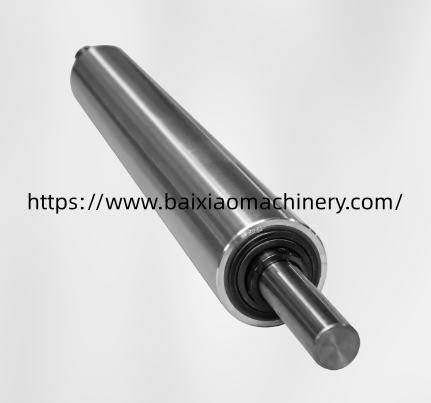
Idler Roller plays an important supporting role in conveyor transportation, yet it is often overlooked when businesses evaluate the complete equipment system. While attention usually goes to motors, belts, and control systems, the smaller rotating components also influence how materials move throughout a production facility. For manufacturers, distributors, and industrial equipment buyers, understanding their construction, material choices, and practical applications can make purchasing decisions more informed. Baixiao focuses on industrial machinery components designed around real operating requirements and different material handling environments.
A conveyor system is made up of several connected parts, and each part has a specific responsibility. During daily operation, supporting components help maintain contact between the moving belt and its surrounding structure. Their movement allows products and bulk materials to travel through different processing stages. When these components are properly matched to the equipment, the transportation process can remain organized and predictable.
This is particularly relevant in industries where materials need to travel continuously between storage, processing, packaging, and distribution areas. Manufacturing workshops may use conveyor equipment to transfer workpieces between production stations. Warehouses depend on organized transportation arrangements to move packages through sorting areas. Mining, construction material processing, and agricultural operations also require suitable equipment for handling different types of materials.
Material selection is one of the practical considerations when purchasing industrial components. Different working environments create different demands. Some facilities operate in relatively clean indoor conditions, while others deal with moisture, dust, abrasive particles, or changing temperatures.
Steel is commonly considered for industrial applications because of its structural characteristics and suitability for many transportation environments. Stainless steel may be considered where corrosion resistance is an important purchasing requirement. Polymer materials can also be relevant in applications where weight, noise, or environmental exposure needs additional consideration.
Surface treatment deserves attention as well. Coatings and protective finishes can influence how a component responds to moisture and general environmental exposure. However, buyers should not select a material simply because it looks suitable. The actual transported material, operating environment, maintenance arrangements, and compatibility with existing equipment all deserve consideration.
A thoughtful purchasing process starts by identifying the conditions in which the equipment will operate. This helps buyers communicate their requirements clearly and evaluate different manufacturing options.
Purchasing industrial components involves more than comparing product pictures or prices. Compatibility should be considered from the beginning. A component that does not fit the existing equipment may create unnecessary installation work or require changes to the surrounding structure.
Buyers can begin by reviewing the original equipment drawings and identifying the connection method. They should also consider how the component interacts with the conveyor belt, support frame, and nearby mechanical assemblies.
Bearing arrangements deserve attention because they influence rotational movement. A suitable bearing configuration should correspond with the operating environment and expected working conditions. Sealing construction is another consideration, particularly in facilities exposed to fine dust, water, or other contaminants.
Communication with the manufacturer can help clarify these details before an order is confirmed. Sharing application photographs, equipment drawings, and information about the working environment gives the production team a clearer understanding of the intended use.
This approach can also help avoid misunderstandings between purchasing departments, equipment designers, and suppliers. Rather than choosing a product based only on a general description, buyers can discuss the actual requirements of their project.
A component may appear relatively simple, but its internal construction can influence the way it operates. The relationship between the shaft, housing, bearings, and external surface affects rotational stability and mechanical compatibility.
Manufacturing consistency is another consideration. Appropriate processing methods help maintain dimensional accuracy and support assembly requirements. Welding quality, surface finishing, bearing installation, and final inspection all form part of the production process.
For industrial users, these details matter because equipment operates as a connected system. If one component creates unnecessary resistance or experiences irregular movement, other parts may also be affected. Regular inspection can help identify unusual noise, vibration, surface damage, or signs of contamination before they develop into larger maintenance concerns.
A practical maintenance routine does not need to be complicated. Operators can include visual checks in their normal equipment inspections. They can also record recurring problems and share those observations with maintenance technicians. This creates useful information for future purchasing and replacement decisions.
Industrial equipment design is not only about mechanical construction. Ease of installation, accessibility, cleaning, and replacement can also influence the experience of maintenance teams.
A well considered structure should suit the surrounding equipment and allow technicians to perform routine checks without unnecessary difficulty. Accessible connections and compatible mounting arrangements can make servicing more manageable.
Noise is another factor worth considering. Unusual operating sounds may indicate bearing wear, poor alignment, contamination, or other mechanical problems. Although sound levels depend on the complete equipment system, appropriate component selection and regular maintenance can help operators identify potential issues.
The visual appearance of industrial products also reflects manufacturing choices. Consistent finishing, clean surfaces, and organized construction give buyers useful details to examine during product evaluation. For manufacturers, appearance and functionality should work together rather than be treated as separate concerns.
A reliable purchasing relationship begins with clear communication. Buyers need a supplier that can understand application requirements, discuss available materials, and explain relevant manufacturing processes.
Product information should be presented clearly so that customers can evaluate whether a component suits their equipment. Drawings, application details, material descriptions, and inspection arrangements can all support communication during the purchasing process.
Different industries may have different expectations. A warehouse transportation project may focus on package movement and equipment integration, while a mining operation may place greater attention on environmental exposure and surface wear. Understanding these differences helps manufacturers discuss suitable product configurations instead of offering a general solution for every situation.
Baixiao pays attention to the connection between product construction and practical industrial applications. For customers evaluating conveyor components, reviewing the product range and discussing project requirements can provide a useful starting point. Whether the purchasing purpose involves equipment manufacturing, system maintenance, or industrial replacement, matching product details with actual working conditions remains an important part of the decision. Buyers can visit https://www.baixiaomachinery.com/ to view the available product range and contact Baixiao about suitable options for their conveyor equipment projects.

 English
 Arabic
 French
 Spanish
 Portuguese
 Deutsch
 Turkish
 Dutch
 Italiano
 Russian
 Romaian
 Greek