


Milk Protein Concentrate Market Size, Trends, and Industry Analysis 2034
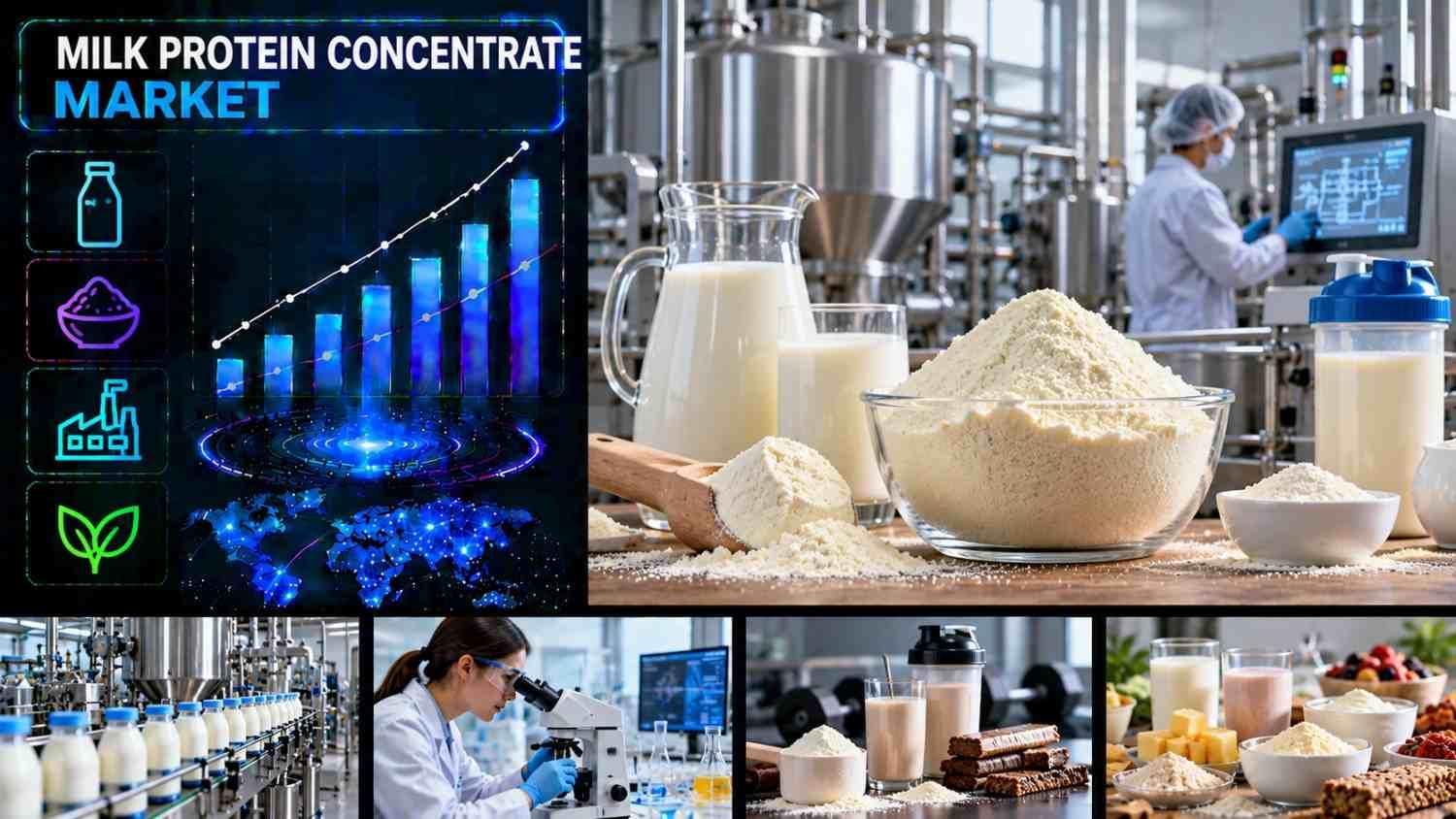
IMARC Group, a leading global market research and management consulting firm, has published its latest market intelligence report on the milk protein concentrate market. The global milk protein concentrate (MPC) market size reached USD 4.50 Billion in 2025 and is projected to reach USD 6.53 Billion by 2034, expanding at a CAGR of 4.23% during 2026-2034, with the industry experiencing strong growth momentum, driven by rising health and wellness awareness, growing demand for high-protein dairy ingredients across sports nutrition and infant formula, expanding use of milk protein concentrate in packaged dairy products, and continuous technological advancement in ultrafiltration and membrane processing worldwide.
The market is witnessing steady expansion as modern consumers increasingly align their dietary choices with protein-rich, clean-label and dairy-based nutrition. Health-conscious shoppers, fitness enthusiasts and aging populations are seeking protein sources that deliver complete amino acid profiles, and milk protein concentrate, with its balanced casein and whey composition, meets this need across beverages, bars, yogurts, cheese and nutritional supplements. Manufacturers of infant formula, medical nutrition products and packaged dairy are reinforcing this demand by relying on milk protein concentrate to improve texture, boost protein content and maintain product stability at scale. Simultaneously, advances in membrane filtration, flavor-masking and heat-stable processing are expanding the range of formats in which dairy protein can be delivered, enabling brands to launch premium products without compromising taste or shelf life.
How AI is Reshaping the Future of the Milk Protein Concentrate Market
-
AI-Powered Process Optimization for Ultrafiltration and Drying Operations: Machine learning platforms are enabling dairy processors to analyze real-time milk composition, membrane performance, temperature and throughput data to fine-tune ultrafiltration cycles, protein recovery and spray-drying efficiency, reducing energy consumption and batch variability while ensuring consistent protein grades across low, medium and high concentration products supplied to infant formula, sports nutrition and packaged dairy manufacturers.
-
Intelligent Demand Forecasting and Raw Milk Supply Planning: AI-driven analytics are helping ingredient suppliers and dairy cooperatives anticipate seasonal swings in milk availability, regional price volatility and downstream customer demand, allowing producers to balance powder and liquid output, optimize inventory and manage procurement risk in an industry where fluctuating raw milk supply and pricing have historically compressed margins and complicated long-term contracting.
-
Accelerated Product Development Using Consumer Sentiment and Formulation Analytics: AI-powered tools are enabling food and beverage brands to mine retail sales data, social media conversation and online review trends to identify emerging preferences in protein levels, flavor profiles and clean-label claims, shortening development cycles for high-protein milk beverages, protein yogurts, paneer and nutritional bars and allowing manufacturers to launch targeted products with greater confidence before committing to commercial-scale production.
Grab a sample PDF of this report: https://www.imarcgroup.com/milk-protein-concentrate-market/requestsample
Milk Protein Concentrate Market Trends and Drivers:
The global milk protein concentrate market is witnessing steady expansion, fueled by the convergence of health-driven consumption behaviors, rapid growth in sports and clinical nutrition, and accelerating product innovation that is positioning dairy protein as a premium, functional ingredient across mainstream food categories. Growing health and wellness awareness is the foundational demand driver, with research indicating that over 40% of health-conscious consumers choose dairy as their preferred protein source. Rising concern around obesity and diabetes prevention is further steering consumers toward higher-protein, lower-sugar diets, while the global protein supplements market, valued at approximately USD 28.0 Billion, continues to create a large and expanding pull for milk protein concentrate as a core ingredient in powders, shakes and bars. Consumer-facing launches reflect this momentum: in May 2026, Muscle Milk reformulated its ready-to-drink shakes using ultra-filtered milk, delivering between 26 and 42 grams of protein per serving, while in July 2026, Nurri introduced a nationwide ultra-filtered protein milk offering 20 grams of protein per serving.
Infant nutrition and packaged dairy are reinforcing demand across both developed and emerging economies. Infant formula manufacturers value milk protein concentrate for its high-quality protein and mineral profile, and rising formula adoption is sustaining steady ingredient demand across Europe, North America and Asia Pacific. In India, milk protein concentrate is increasingly used in lassi, dahi, paneer and cheese slices, a trend illustrated by Godrej Jersey's INR 99 high-protein paneer delivering 30 grams of protein per pack, part of the company's stated ambition of INR 1,000 crore across paneer, curd and dairy beverages. Government support is strengthening this value chain, with India's Dairy Processing and Infrastructure Development Fund, carrying an outlay of approximately INR 10,881 crore, financing modern milk processing and value addition capacity, while the Production Linked Incentive Scheme for Food Processing Industry, with an outlay of approximately INR 10,900 crore, encourages scale and branded value-added dairy products.
Technology advancement and capacity investment are simultaneously expanding the market's addressable applications. Membrane systems now target protein concentrations ranging from 42% to 85%, flavor-masking methods are improving the taste of high-protein beverages, and heat-stable grades are being developed for UHT and retort processing, widening use across ready-to-drink and clinical nutrition formats. Leading producers are investing accordingly: in September 2024, Fonterra announced approximately NZD 150 million for a new cool store at its Whareroa site, following planned protein and UHT cream plants. Challenges remain, including volatile raw milk supply and pricing, the high capital cost of ultrafiltration technology and competition from plant-based protein alternatives such as the protein yogurt and shakes launched by Silk in July 2026, yet organic and clean-label grades are emerging as a premium growth avenue for manufacturers.
Ask an analyst for customized report: https://www.imarcgroup.com/request?type=report&id=6476&flag=E
Milk Protein Concentrate Industry Segmentation:
The report has segmented the market into the following categories:
Breakup By Nature:
- Conventional
- Organic
Conventional milk protein concentrate accounts for the largest nature segment with a 87.0% share, driven by its established supply chain, cost competitiveness and broad adoption across infant formula, sports nutrition and packaged dairy manufacturing, while the organic segment, holding 13.0%, is gaining momentum through clean-label positioning, premium pricing and rising consumer preference for minimally processed dairy ingredients.
Breakup By Form:
- Powder
- Liquid
Powder accounts for the largest form segment with a 68.0% share, driven by its extended shelf life, transport efficiency, ease of storage and blending flexibility across nutritional beverages, bars, bakery and dairy formulations, while the liquid form, holding 32.0%, serves processors that prioritize fresh-dairy handling and integrated beverage production.
Breakup By Concentration:
- Low
- Medium
- High
Medium concentration grades account for a 29.0% share, driven by the balance they offer between protein content, functional performance and cost, making them a versatile choice for yogurts, cheese, beverages and nutritional products, while high concentration grades are increasingly adopted in sports nutrition and clinical formulations supported by advanced membrane technologies.
Breakup By Application:
- Packaged Products
- Nutritional Products
- Infant Formula
- Others
Packaged products account for the largest application segment with a 44.0% share, driven by the growing use of milk protein concentrate in dairy beverages, yogurts, paneer, cheese slices and ready-to-drink shakes, where it enhances protein content, texture, creaminess and stability while supporting high-protein and clean-label product claims.
Breakup By Distribution Channel:
- Hypermarkets and Supermarkets
- Convenience Stores
- Specialty Stores
- Online Stores
- Others
Hypermarkets and supermarkets command the largest distribution channel share at 52.0%, supported by their extensive product assortment, strong cold chain and shelf-space capabilities, and their role as the primary purchase point for packaged dairy and protein-fortified products, while online and specialty stores are expanding their reach among fitness-focused and health-conscious buyers.
Breakup By Region:
- North America
- Europe
- Asia Pacific
- Latin America
- Middle East and Africa
North America dominates the global milk protein concentrate market with the largest regional share of 40.0%, driven by the region's well-developed dairy processing infrastructure, strong sports nutrition and protein supplement culture, and high consumer demand for protein-fortified beverages and snacks. Europe follows with a 28.0% share, supported by established dairy manufacturing and robust infant formula demand, while Asia Pacific holds 21.0%, fueled by rising health awareness and expanding packaged dairy consumption. Latin America and the Middle East and Africa account for 6.0% and 5.0% respectively, and are viewed as incremental growth opportunities.
Competitive Landscape:
The report provides a comprehensive analysis of the competitive landscape in the milk protein concentrate market with detailed profiles of all major companies, including:
- Fonterra Co-operative Group Limited
- Royal FrieslandCampina N.V.
- Glanbia PLC
- Hoogwegt
- Idaho Milk Products
What Does The Full Report Cover?
If you are tracking the milk protein concentrate market for investment decisions, market entry planning, competitive benchmarking, or strategic advisory, IMARC Group's report gives you everything in one place:
- Complete market sizing with revenue forecasts covering the full projection period
- Quantified growth driver analysis with impact scoring across nature, form, concentration, application, distribution channel, and regional markets
- Sub-segment breakdowns for conventional, organic, powder, liquid, low, medium and high concentration, packaged products, nutritional products, infant formula, and distribution channels with individual share data
- Regional and country-level data across North America, Europe, Asia Pacific, Latin America, and the Middle East and Africa
- Competitive profiles of leading companies with strategic landscape assessment
- Porter's Five Forces, value chain analysis, and pricing intelligence
- Latest product innovation trends covering ultrafiltration advances, flavor-masking technologies, heat-stable grades, and organic and clean-label milk protein concentrate shaping market competition and consumer preference across key regional markets
Recent News and Developments in Milk Protein Concentrate Market
-
July 2026: Nurri launched a nationwide ultra-filtered protein milk delivering 20 grams of protein per serving. The launch reflects the mainstreaming of dairy protein in everyday beverages and highlights growing consumer preference for high-protein, convenient nutrition.
-
July 2026: Silk launched plant-based protein yogurt and shakes, entering the high-protein category with non-dairy options. The move signals intensifying competition between dairy and plant-based protein products for health-focused consumers.
-
May 2026: Muscle Milk reformulated its ready-to-drink shakes with ultra-filtered milk, offering 26 to 42 grams of protein per serving. The reformulation strengthens the brand's positioning in sports nutrition and demonstrates rising reliance on dairy protein ingredients.
-
September 2024: Fonterra announced approximately NZD 150 million for a new cool store at its Whareroa site, following planned protein and UHT cream plants. The investment supports expanding capacity for protein ingredients and strengthens the company's global supply position.
Note: If you require specific details, data, or insights that are not currently included in the scope of this report, we are happy to accommodate your request. As part of our customization service, we will gather and provide the additional information you need, tailored to your specific requirements. Please let us know your exact needs, and we will ensure the report is updated accordingly to meet your expectations.
Key Questions This Report Answers
- What is the current global milk protein concentrate market size and what is its projected value?
- Which nature, form and application segments hold the largest share in the global milk protein concentrate market?
- What are the key drivers of global milk protein concentrate market growth?
- Which region dominates the global milk protein concentrate market and why?
- How are sports nutrition, infant formula demand and clean-label trends reshaping product development and competitive strategies in the milk protein concentrate industry?
- Who are the top companies in the global milk protein concentrate market and what are their competitive strategies?
- What are the investment and market entry opportunities across organic, high-concentration, heat-stable and packaged dairy milk protein concentrate segments?
About Us:
IMARC Group is a global management consulting firm that helps the world's most ambitious changemakers to create a lasting impact. The company provides a comprehensive suite of market entry and expansion services. IMARC offerings include thorough market assessment, feasibility studies, company incorporation assistance, factory setup support, regulatory approvals and licensing navigation, branding, marketing and sales strategies, competitive landscape and benchmarking analyses, pricing and cost research, and procurement research.
Media and Sales Contact
IMARC Group
Email: sales@imarcgroup.com
United States: +1-201-971-6302
India: +91-120-433-0800
United Kingdom: +44-753-714-6104

 English
 Arabic
 French
 Portuguese
 Deutsch
 Turkish
 Dutch
 Italiano
 Russian
 Romaian
 Portuguese (Brazil)
 Greek