


How to Choose the Right Outboard Motor for Your Boating Needs
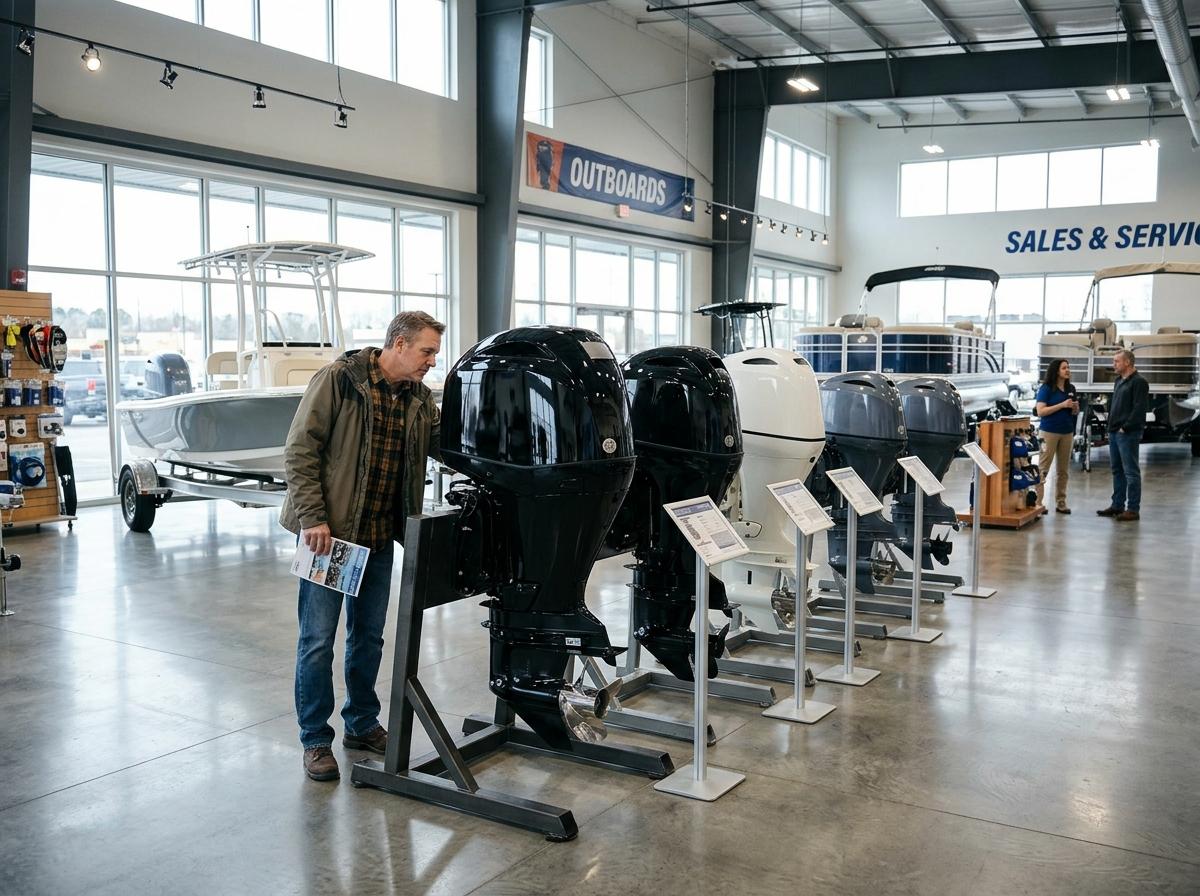
Choosing the right outboard motor is one of the most important decisions when purchasing or upgrading a boat. Whether you enjoy fishing, recreational cruising, water sports, or long-distance boating, having a reliable engine can make a significant difference in your overall experience. The right motor provides dependable performance, better fuel efficiency, and greater control on the water.
With so many engine types, brands, power ratings, and features available, finding the right option can feel overwhelming. Understanding what to look for before making a purchase will help you make a more informed decision and find an engine that suits your boating requirements.
Understand Your Boat's Engine Requirements
Before exploring different engine options, start by understanding your boat's specifications. Every boat is designed to operate within a particular horsepower range. Installing an engine that is too powerful or too weak can affect performance, handling, and safety.
Check the manufacturer's recommended horsepower range and maximum engine weight. You should also consider the boat's length, hull design, total passenger capacity, and intended use.
For example, smaller fishing boats generally require less horsepower than larger recreational or offshore vessels. A lightweight engine may be suitable for a small inflatable boat, while a heavier vessel may need a more powerful motor to achieve consistent performance.
Choosing an engine that matches your boat's specifications helps maintain stability and provides a more comfortable boating experience.
Consider New Outboard Engines for Modern Performance
Modern engine technology has introduced several improvements in fuel efficiency, reliability, and overall performance. Buyers looking for updated technology may find that new outboard engines offer several advantages.
Many modern four-stroke outboards are designed to deliver smoother operation, reduced noise, and improved fuel consumption compared with older engine technologies. Electronic fuel injection, advanced engine management systems, and improved cooling technology can also contribute to consistent performance.
Another advantage of purchasing a new engine is the availability of manufacturer warranties. Depending on the brand and model, buyers may receive warranty coverage and access to authorized maintenance services.
However, the purchase price is not the only factor to consider. Installation costs, fuel requirements, routine maintenance, and replacement parts should also be included when calculating the total ownership cost.
Are Used Outboard Motors Worth Considering?
Buying a pre-owned engine can be a practical option for boat owners who want dependable performance without spending as much as they would on a brand-new model. However, purchasing a second-hand engine requires careful research and inspection.
When evaluating a used outboard, pay close attention to its maintenance history, operating hours, overall condition, and previous usage. An engine that has received regular maintenance may provide better long-term value than a cheaper alternative with an uncertain history.
Here are some important things to check before purchasing:
-
Engine condition: Look for corrosion, damaged components, oil leaks, and signs of overheating.
-
Service records: Ask whether the engine has received regular servicing and maintenance.
-
Operating hours: Check the engine hours where an hour meter or electronic diagnostic system is available.
-
Cooling system: Make sure the cooling system operates correctly and there are no signs of overheating.
-
Starting performance: Observe whether the engine starts easily and runs smoothly.
-
Lower unit: Inspect the gearcase for damage, leaks, and unusual noises.
Whenever possible, arrange a professional inspection and request a demonstration before completing the purchase. These precautions can help reduce the risk of unexpected repair expenses.
Compare Two-Stroke and Four-Stroke Technology
Outboard motors are commonly available in two-stroke and four-stroke configurations. Both technologies have their own characteristics, and the right choice depends on your boating activities.
Two-stroke engines are traditionally known for their lightweight construction and strong power-to-weight ratio. They can be suitable for applications where reducing engine weight is particularly important. However, older conventional two-stroke models may consume more fuel and produce higher emissions than comparable modern four-stroke engines.
Four-stroke engines are generally popular among recreational boaters because of their quieter operation, smoother performance, and fuel efficiency. They also do not require the same fuel-oil mixing arrangement used by conventional premix two-stroke engines.
Modern direct-injection two-stroke technology offers another option, combining certain lightweight advantages with improved fuel management.
Before choosing between these technologies, consider fuel consumption, maintenance requirements, availability of spare parts, and local environmental regulations.
Fuel Efficiency and Long-Term Running Costs
Fuel consumption is an important consideration for anyone who regularly uses a boat. An engine with excellent horsepower figures may not necessarily be the most economical option for your particular vessel.
Fuel efficiency depends on several factors, including engine size, boat weight, hull condition, cruising speed, water conditions, and load capacity.
To improve efficiency, avoid carrying unnecessary equipment, maintain the recommended engine operating range, and keep the hull clean. Regular maintenance of spark plugs, fuel filters, propellers, and other essential components can also help maintain performance.
It is worth comparing estimated fuel consumption at different operating speeds rather than focusing exclusively on maximum horsepower. This gives you a better understanding of how much an engine may cost to operate during regular boating activities.
Where to Find Suitable Outboard Motors for Sale
Once you understand your requirements, the next step is comparing available engines and identifying a suitable seller. Buyers searching for outboard motors for sale should compare specifications, pricing, engine condition, and available support before making a final decision.
Avoid choosing an engine based entirely on its advertised price. A slightly more expensive option may provide better value if it includes a warranty, documented maintenance history, or useful accessories.
Compare several models from established manufacturers and check whether replacement parts are readily available in your area. Access to spare parts and qualified technicians can make a significant difference in long-term ownership costs.
You should also verify compatibility with your boat's transom height, mounting arrangement, steering system, and electrical connections. These details are particularly important when replacing an existing engine with a different model.
Regular Maintenance Keeps Your Engine Reliable
Regardless of whether you purchase a new or pre-owned motor, regular maintenance is essential for dependable operation.
Follow the manufacturer's recommended service intervals and inspect the engine before and after boating activities. Pay attention to the cooling water flow, fuel connections, propeller condition, and visible signs of corrosion.
If you regularly operate in saltwater, flushing the cooling system with fresh water after use is especially important. Salt deposits can contribute to corrosion and damage internal components over time.
Proper storage also matters. Protect the engine from prolonged exposure to harsh weather, follow the manufacturer's winterization recommendations where applicable, and use suitable maintenance products.
A consistent maintenance routine can extend engine life, reduce unexpected breakdowns, and help preserve resale value.
Conclusion
Selecting the right outboard motor requires more than comparing horsepower and prices. Boat compatibility, engine technology, fuel efficiency, maintenance history, and long-term running costs all play important roles in making the right decision.
Whether you prefer a brand-new model with modern features or a carefully inspected pre-owned engine, taking time to compare available options can help you find a suitable solution. By understanding your boating needs and prioritizing reliability, you can enjoy better performance, greater confidence, and more enjoyable experiences on the water.

 English
 Arabic
 French
 Spanish
 Portuguese
 Deutsch
 Turkish
 Dutch
 Italiano
 Russian
 Romaian
 Portuguese (Brazil)