


Partial Glass Sunrooms: Creating Comfortable Year-Round Outdoor Retreats
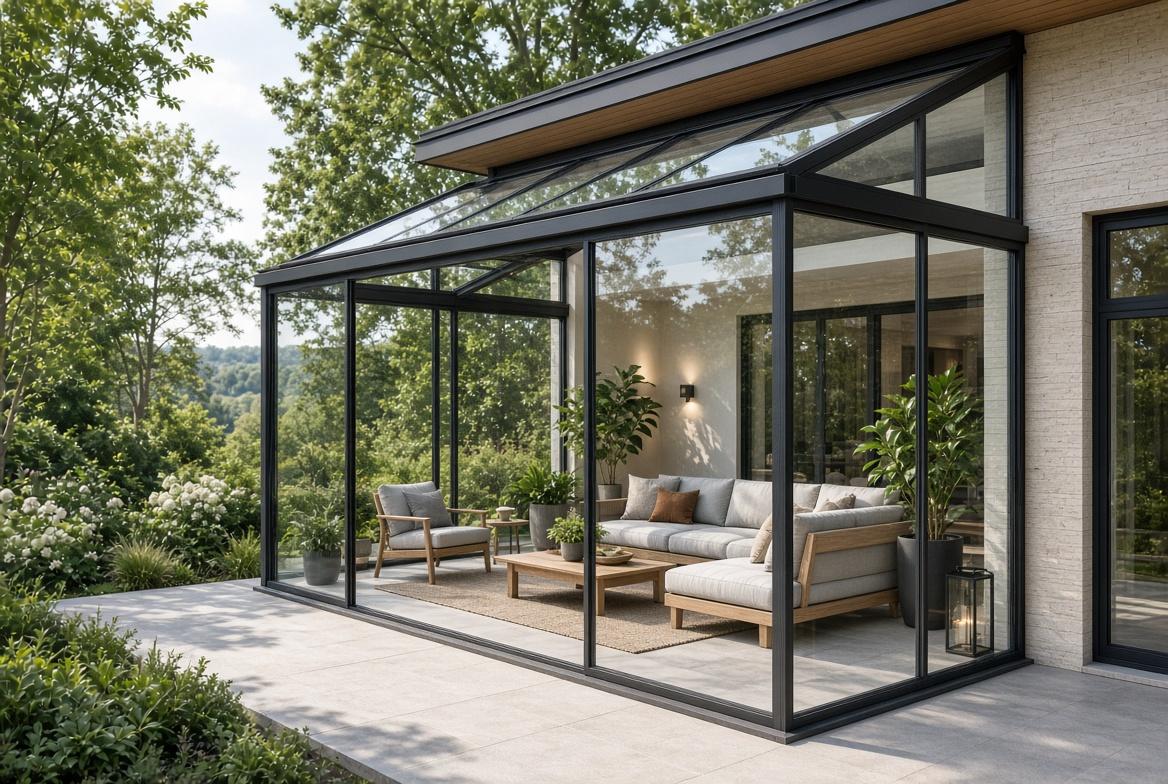
Partial glass sunrooms offer a smart middle ground between fully enclosed solid structures and all-glass conservatories. By combining solid walls or insulated roof sections with strategically placed glass panels, these spaces deliver abundant natural light and outdoor views while maintaining better temperature control and privacy than fully transparent designs. Homeowners seeking to expand living areas without the extremes of heat gain or loss often find partial glass configurations particularly practical and inviting.
Understanding Partial Glass Sunrooms
A partial glass sunroom typically features glass walls on one or more sides, sometimes paired with a solid insulated roof or a mix of solid knee walls beneath upper glass panels. This approach differs from traditional all-glass sunrooms that maximize transparency at the cost of greater thermal challenges. The partial design allows light to flood the interior while solid portions provide structural support, opportunities for insulation, and space for wiring or heating elements.
Many modern versions incorporate operable windows or sliding glass doors within the glass sections to improve ventilation on milder days. The result is a versatile room that feels connected to the outdoors yet functions more like an extension of the main house. Orientation plays a key role; south-facing glass captures winter sun effectively, while thoughtful placement of solid elements helps manage summer intensity.
Benefits of Choosing Partial Glass Designs
One of the primary advantages of partial glass sunrooms lies in improved energy performance. Full glass enclosures can create greenhouse-like conditions in summer and lose heat rapidly in winter, but introducing solid insulated sections moderates these extremes. Low-emissivity coatings on the glass further refine this balance by reflecting infrared heat while allowing visible light to pass through. Homeowners often notice more consistent indoor temperatures and reduced reliance on supplemental heating or cooling.
Privacy increases as well because solid lower walls or side panels limit visibility from neighboring properties without sacrificing the open feel higher up. Furniture and flooring last longer too, since properly selected glass with ultraviolet-blocking properties helps prevent fading. From an aesthetic standpoint, partial glass sunrooms blend more seamlessly with existing home architecture.
The combination of solid and transparent materials creates visual interest and can complement traditional or contemporary exteriors. Many people appreciate the psychological benefits of natural light and outdoor connection, which studies link to improved mood and reduced stress, all while enjoying a more controllable environment than a fully open patio or a completely sealed room.
Design Considerations and Material Options
Successful partial glass sunrooms begin with careful planning of the glass-to-solid ratio. Knee walls of three to four feet topped by large glass panels remain popular because they offer a place for baseboard heating, electrical outlets, and furniture placement while still delivering expansive views. Roof choices range from fully solid insulated systems that provide shade and superior thermal resistance to hybrid roofs that incorporate limited skylights or glass panels for overhead light.
Frame materials commonly include thermally broken aluminum for strength and slim profiles, or hybrid systems that combine durability with better insulation. Glass itself is almost always tempered for safety, breaking into small granules rather than sharp shards. Insulated dual-pane units filled with argon and treated with low-e coatings represent the practical standard for most climates, delivering lower U-factors for reduced heat transfer and controlled solar heat gain coefficients.
In hotter regions, lower solar heat gain values help keep interiors cooler, while colder areas benefit from higher insulation performance. Laminated options add impact resistance and further ultraviolet protection. Color finishes on frames, ranging from classic white to bronze or custom hues, allow coordination with the home’s exterior. Thoughtful integration of doors, whether hinged, sliding, or folding, ensures easy flow between the sunroom and both the house and outdoor living areas.
Installation and Structural Aspects
Proper installation determines long-term performance. Foundations must support the combined weight of glass and framing while addressing local soil and frost conditions. Structural calculations account for wind loads, snow accumulation in colder climates, and the specific configuration of partial glass elements. Thermal breaks in metal frames prevent condensation and heat bridging. Sealing systems around glass panels and junctions with solid walls require precision to maintain weather resistance and energy efficiency.
Experienced installers coordinate the transition between solid roofing materials and any glass sections to ensure effective drainage and prevent leaks. Building codes often mandate tempered or laminated safety glass, and energy codes may influence minimum performance ratings for the glazing package. The modular nature of many contemporary systems allows relatively efficient assembly once the foundation and structural frame are complete.
Attention to ventilation, whether through operable windows, roof vents, or integration with the home’s HVAC system, helps manage humidity and air quality. When designed and installed correctly, a partial glass sunroom becomes a durable, low-maintenance addition that expands usable square footage without the complexity of a full traditional home addition.
Maintaining Your Partial Glass Sunroom
Routine care keeps partial glass sunrooms looking and performing well for decades. Glass surfaces benefit from periodic cleaning with appropriate non-abrasive cleaners to maintain clarity and the effectiveness of any coatings. Frame materials, particularly aluminum with quality finishes, resist corrosion and require only occasional washing.
Seals and weatherstripping should be inspected seasonally and replaced if they show wear, preserving both energy efficiency and protection from moisture. Solid roof sections need the same attention as conventional roofing, including clearing debris from gutters and checking for any signs of wear.
Interior surfaces remain relatively simple to maintain because the controlled environment reduces exposure to extreme weather. Prompt attention to any condensation or drafts helps identify issues early. With these straightforward practices, the space continues to deliver comfort and visual appeal season after season.
Many homeowners discover that partial glass sunrooms strike an ideal balance between openness and practicality. The combination of natural light, outdoor connection, and moderated climate control creates inviting spaces for dining, reading, entertaining, or simply relaxing. When thoughtfully designed with quality materials and professional installation, these rooms enhance daily living while adding lasting value to the property. Morgan Outdoor Living, Inc specializes in helping homeowners explore and realize such customized outdoor living solutions tailored to individual needs and local conditions.

 English
 Arabic
 French
 Spanish
 Portuguese
 Turkish
 Dutch
 Italiano
 Russian
 Romaian
 Portuguese (Brazil)
 Greek