


Tube Feeding After a Stroke: A Guide for Families and Caregivers
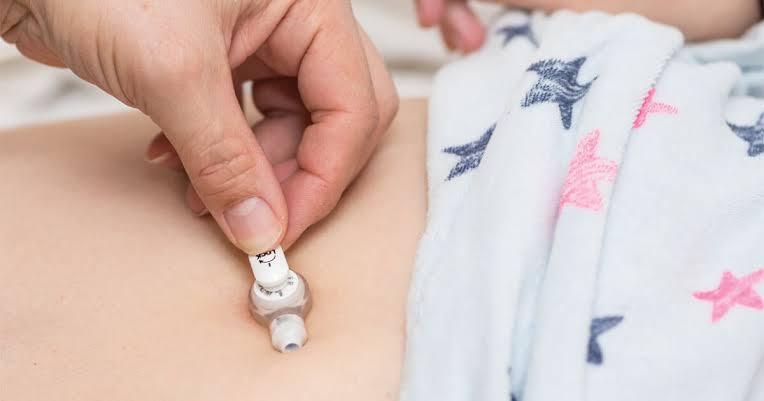
A stroke can affect the muscles and nerves responsible for swallowing, making it difficult or unsafe for some patients to eat and drink normally. This condition, known as dysphagia, may increase the risk of choking, aspiration, dehydration, and inadequate nutrition. When oral intake is unsafe or insufficient, tube feeding may be recommended to provide essential nutrients during recovery. Families considering Tube feeding at home in Dubai should understand how feeding works, what daily care involves, and how to support a loved one safely. A Doctor at Home service can help assess the patient's medical needs and coordinate an appropriate care plan, while qualified nurses can guide caregivers through feeding procedures, hygiene, and ongoing monitoring.
Understanding Swallowing Difficulties After a Stroke:
A stroke can damage areas of the brain that control swallowing, coordination, and muscle movement. As a result, patients may have difficulty moving food from the mouth to the throat or safely passing it into the oesophagus. Some may cough or choke while eating, while others experience silent aspiration, in which food or liquid enters the airway without an obvious reaction. Dysphagia can also make it difficult to consume enough calories and fluids, potentially affecting recovery and general health. A speech and language therapist can assess swallowing ability and recommend appropriate strategies. Patients should not be given food, drinks, or oral medication until the healthcare team confirms what is safe.
Why Tube Feeding May Be Needed After a Stroke:
Tube feeding, also called enteral nutrition, may be recommended when a stroke patient cannot swallow safely or meet nutritional requirements through oral intake. It delivers specially prepared liquid nutrition directly into the stomach or small intestine through a feeding tube. This approach can help provide calories, protein, fluids, vitamins, and minerals while the medical team manages swallowing difficulties. The decision depends on the patient's condition, swallowing assessment, expected recovery, digestive function, nutritional status, and treatment goals. Tube feeding does not necessarily mean that a patient will never eat normally again. Some individuals regain swallowing ability with rehabilitation, while others may need longer-term nutritional support.
Understanding Different Types of Feeding Tubes:
The type of feeding tube selected depends on the patient's medical needs and the expected duration of nutritional support. Healthcare professionals assess the patient's condition before recommending a suitable option. Common types include:
-
Nasogastric (NG) tube: Passes through the nose into the stomach and is often used for short-term feeding.
-
Gastrostomy or PEG tube: Enters the stomach through an opening in the abdominal wall and may be recommended when longer-term feeding is expected.
-
Jejunostomy (J) tube: Delivers nutrition directly into the small intestine when feeding into the stomach is unsuitable.
-
Gastrojejunostomy (GJ) tube: Provides access to both the stomach and small intestine through designated ports.
Each tube requires specific handling instructions. NG tube placement must be confirmed using an approved clinical method before use. Families should never attempt to insert, reposition, or replace a tube without appropriate training and authorisation.
Creating a Safe Tube Feeding Routine at Home:
A consistent routine helps families manage feeding sessions and maintain continuity of care. The doctor or dietitian determines the formula, quantity, administration rate, and schedule according to the patient's nutritional requirements. Feeding may be provided in scheduled portions, intermittent sessions, or continuously through a pump. Caregivers should follow the prescribed instructions and record each session to avoid missed feeds or accidental changes. A daily feeding record can include:
-
Formula type and prescribed quantity.
-
Feeding times and duration.
-
Administration rate, if a pump is used.
-
Prescribed water flushes.
-
Medication timings and relevant instructions.
-
Any interruptions or symptoms observed.
Never increase the formula quantity or feeding rate to compensate for a missed session without professional guidance.
Maintaining Hygiene and Feeding Tube Care:
Good hygiene is essential for stroke patients receiving tube feeding, particularly when they have limited mobility or other medical conditions. Caregivers should wash their hands before handling formula, syringes, feeding bags, connectors, or the tube itself. Equipment must be cleaned, stored, and replaced according to manufacturer instructions and the healthcare team's recommendations. For patients with gastrostomy or jejunostomy tubes, the insertion site should be checked and cleaned using the prescribed method. Look for redness, swelling, tenderness, unusual discharge, leakage, or unpleasant odour. Avoid applying creams or antiseptic products unless recommended by a healthcare professional. Consistent hygiene helps reduce contamination risks and supports safer daily feeding.
Preventing Aspiration and Supporting Proper Positioning:
Although tube feeding bypasses the swallowing process for delivering nutrition, it does not eliminate aspiration risk. Patients may still aspirate saliva, oral secretions, or stomach contents that move back towards the throat. Unless the healthcare team provides different instructions, the upper body is generally elevated during feeding and for the recommended period afterward. This may help reduce reflux and aspiration risk but cannot prevent every episode. Caregivers should also maintain good oral hygiene and observe the patient for coughing, choking, vomiting, or breathing changes. If aspiration is suspected, stop feeding according to the emergency care plan and seek urgent medical assessment. Severe breathing difficulty or choking requires immediate emergency assistance.
Monitoring Nutrition, Hydration, and Recovery:
Stroke recovery can involve changes in mobility, appetite, muscle strength, and nutritional requirements. Nurses and caregivers should monitor whether the patient receives the prescribed amount of formula and fluid. The healthcare team may review body weight, hydration signs, bowel movements, and other clinical measurements to assess nutritional progress. Watch for dry mouth, reduced urine output, unusual weakness, constipation, diarrhoea, vomiting, or unexpected weight changes. The amount of additional water required varies according to the patient's condition, including kidney and heart function. Caregivers should follow the prescribed hydration plan rather than independently increasing water flushes or changing formula concentration.
Recognising Common Tube Feeding Complications:
Patients recovering from a stroke may not always be able to communicate discomfort clearly, making regular observation particularly important. Tube feeding can sometimes be associated with digestive symptoms, equipment problems, or insertion-site complications. Caregivers should watch for:
-
Nausea, vomiting, or persistent abdominal bloating.
-
Diarrhoea or constipation.
-
Feeding tube blockage or displacement.
-
Leakage or irritation around the tube site.
-
Coughing, choking, or new breathing symptoms.
-
Unusual discomfort or sudden changes in alertness.
Do not force water through a blocked tube or attempt to reinsert a displaced tube unless specifically trained and authorised. Severe abdominal pain, significant bleeding, breathing difficulty, or sudden deterioration requires urgent medical attention.
Supporting Stroke Rehabilitation and Emotional Wellbeing:
Tube feeding is only one part of a patient's overall stroke recovery plan. Rehabilitation may include physiotherapy, occupational therapy, speech and language therapy, and medical follow-up. Caregivers can support recovery by maintaining a comfortable environment, encouraging appropriate activities, and following professional recommendations. Emotional support is equally important because dependence on feeding equipment can be frustrating or distressing for some patients. Explain procedures calmly, respect the patient's preferences, and involve them in everyday decisions whenever possible. If swallowing improves, the speech and language therapist and treating doctor can reassess whether any oral intake is safe. Families should never introduce food or drinks without approval.
The Role of Professional Home Nursing After a Stroke:
Professional home nursing can help families manage tube feeding when a stroke patient requires regular assistance or has complex care needs. Qualified nurses may support prescribed feeding procedures, tube-site hygiene, positioning, hydration monitoring, and observation for complications. They can also educate family caregivers about equipment handling, feeding records, and warning signs that require medical attention. Families arranging Tube feeding at home in Dubai should select an appropriately qualified home healthcare provider that coordinates with the patient's treating doctor and dietitian. Consistent communication among healthcare professionals helps ensure that nutritional support and rehabilitation needs are reviewed as the patient's condition changes.
Final Thoughts
Tube feeding after a stroke can help patients receive essential nutrition when swallowing is unsafe or inadequate. Families play an important role by following prescribed feeding instructions, maintaining hygiene, monitoring hydration, and recognising potential complications. They should also support rehabilitation and respect the patient's emotional needs throughout recovery. With appropriate medical supervision, qualified nursing support, and a consistent home care routine, caregivers can help stroke patients receive safer and more comfortable nutritional care.

 English
 Arabic
 French
 Spanish
 Portuguese
 Deutsch
 Turkish
 Dutch
 Russian
 Romaian
 Portuguese (Brazil)
 Greek