


Everest Base Camp Adventure: What Every Beginner Should Know
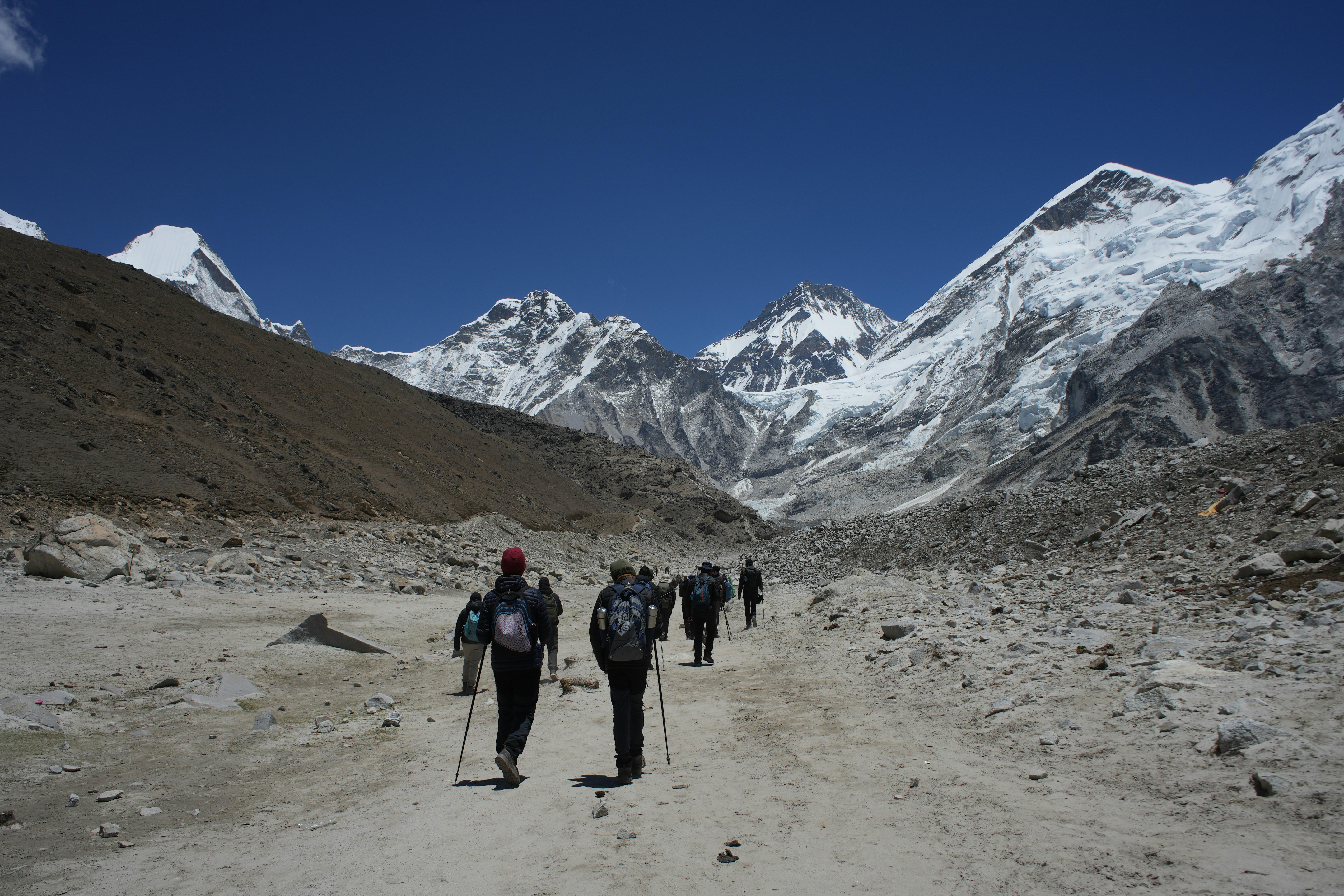
A journey to the foot of the world's highest mountain may sound like a dream for expert climbers. But here is the exciting news: you do not need to be a mountaineer to enjoy the trail! The Everest Base Camp trek is a great adventure for beginners who love nature, enjoy walking, and are ready for a challenge. With good planning, the right support, and enough time to adjust to the altitude, first-time trekkers can take on this amazing journey.
Is Everest Base Camp Suitable for Beginners?
Yes! Beginners can complete the Everest Base Camp trek, even without years of trekking experience. However, it is not an easy walk. The trail takes you through rocky paths, steep hills, and high mountain areas.
The trek usually takes around 12 to 14 days. You will walk for several hours each day and reach Everest Base Camp at 5,364 meters. Along the way, you will pass through famous places like Namche Bazaar, Tengboche, Dingboche, and Lobuche.
You do not need climbing skills or special mountaineering training. But you should be ready for long walks, changing weather, and high altitude.
Build Your Fitness Before the Trek
Good fitness can make your journey more comfortable. You do not need to be an athlete, but you should prepare your body before arriving in Nepal.
Start walking regularly a few weeks before your trip. Try longer walks on hills or uneven trails. You can also climb stairs, cycle, swim, or do light strength exercises.
Here are some simple ways to prepare:
-
Walk for 30 to 60 minutes several times a week.
-
Practice walking uphill and downhill.
-
Wear your trekking shoes during training.
-
Carry a light backpack on longer walks.
-
Take rest days to help your body recover.
The goal is to build strength and stamina slowly. Do not push yourself too hard before the trek begins.
Understand the Challenge of High Altitude
Altitude is one of the biggest challenges on the Everest Base Camp trek. As you climb higher, the air becomes thinner, and your body gets less oxygen with each breath.
You may feel tired, have a headache, lose your appetite, or find it hard to sleep. These can be signs of altitude sickness. Anyone can experience it, even fit and experienced trekkers.
To reduce the risk, walk slowly and allow your body time to adjust. Rest days in places like Namche Bazaar and Dingboche are important. Drink enough water, eat regular meals, and follow your guide's advice.
Never ignore signs of altitude sickness. If symptoms become worse, do not climb higher. Descend and seek medical help.
Pack the Right Trekking Gear
The right gear can make your adventure safer and more comfortable. The weather in the Everest region can change quickly, so warm and waterproof clothing is important.
Your basic packing list should include:
-
Comfortable and well-fitted trekking boots
-
Warm jackets and thermal layers
-
Waterproof jacket and trousers
-
Gloves, a warm hat, and sunglasses
-
A sleeping bag suitable for cold conditions
-
A reusable water bottle
-
Sunscreen and basic personal medicines
-
A small backpack for daily essentials
Avoid carrying too much. A heavy backpack can make long walking days harder. Pack only what you need and check your gear before leaving Kathmandu.
Enjoy the Journey, Not Just the Destination
Everest Base Camp is not only about reaching the foot of Mount Everest. The journey itself is full of special moments.
You can enjoy the lively streets of Namche Bazaar, visit beautiful monasteries, cross suspension bridges, and meet local Sherpa communities. The views of Everest, Lhotse, Ama Dablam, and other Himalayan peaks make every walking day special.
Take time to enjoy the villages and mountain scenery. Walk at your own pace and remember that every small step brings you closer to your goal.
Plan Your Trek with Amble Himalaya
Good support can make a big difference, especially for first-time trekkers. Amble Himalaya offers an Everest Base Camp Trek package with services designed to help visitors enjoy a well-planned journey.
Their package includes experienced trekking guides, porters, accommodation arrangements, transportation, and permit assistance. Their local team can help you prepare for the route, understand altitude challenges, and plan rest days along the trail.
Having an experienced guide can also help you make better decisions when weather or trail conditions change. With proper planning and support, beginners can feel more confident as they explore the Everest region.
Final Thoughts
The Everest Base Camp trek is a challenging but rewarding adventure for beginners. You do not need to be an expert climber, but you do need good preparation, steady fitness, and respect for the mountains.
Train before your trip, pack wisely, take time to adjust to the altitude, and listen to your body. Most importantly, enjoy every step of the journey. Your first Himalayan adventure could become a memory that stays with you for a lifetime!

 English
 Arabic
 French
 Spanish
 Deutsch
 Turkish
 Dutch
 Italiano
 Russian
 Romaian
 Portuguese (Brazil)
 Greek