


Choosing the Right Post-Tensioning Partner: A Guide for Construction Projects in India
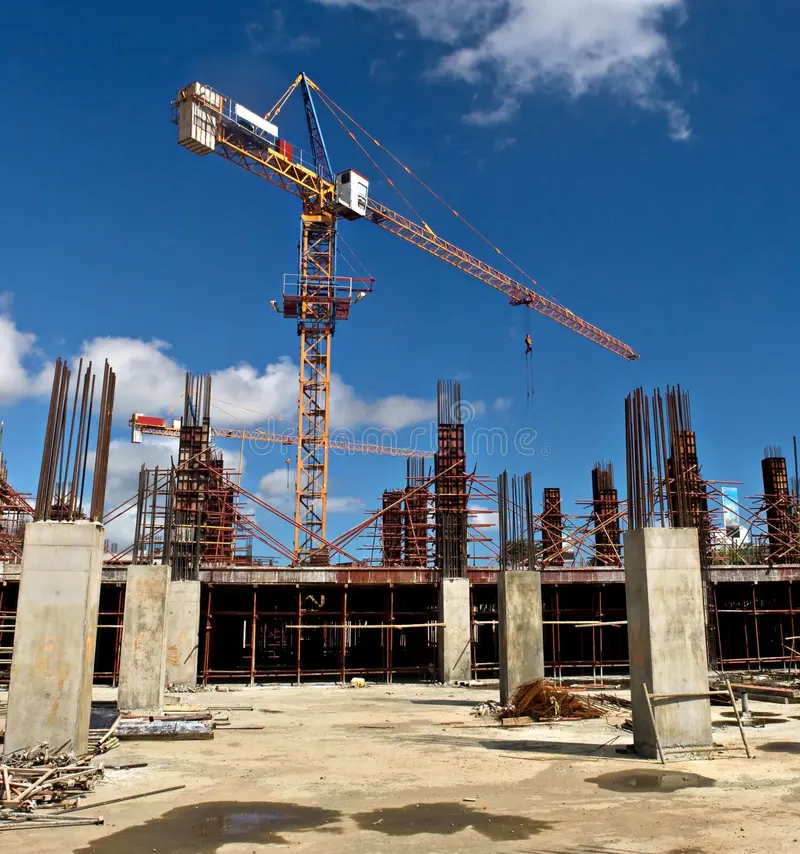
Modern construction projects demand structural solutions that offer strength, durability, design flexibility, and efficient use of materials. As buildings, commercial complexes, parking structures, and infrastructure projects become more ambitious, post-tensioning has become an important construction technique. It helps engineers design concrete structures that can accommodate specific load requirements while making better use of available space.
However, the success of a post-tensioning project depends on more than the system itself. Proper planning, accurate installation, skilled execution, and regular quality checks are equally important. Choosing an experienced technical partner can help developers, contractors, and consultants manage these requirements effectively.
Whether a project is located in Gujarat or another part of the country, understanding how to select the right specialist is an essential step. This guide explains the role of post-tensioning, the factors to consider when hiring contractors, and how to evaluate companies before making a decision.
Post-tensioning is a technique used to improve the structural performance of concrete. In this method, high-strength steel tendons are placed within or along the concrete structure. After the concrete reaches the specified strength, these tendons are tensioned using specialised equipment and secured through anchorage systems.
The tensioning process introduces compression into the concrete, helping the structure resist the effects of applied loads. Post-tensioning is commonly considered for projects such as commercial buildings, residential towers, parking structures, bridges, and large-span concrete slabs.
The exact design depends on several factors, including building layout, loading conditions, structural requirements, material specifications, and site conditions. Therefore, every project should follow approved structural drawings and the guidance of qualified engineers.
Post-tensioning can offer several design and construction advantages when it is properly planned and executed. One important benefit is the possibility of creating longer spans with fewer intermediate columns in suitable applications. This can provide greater flexibility for architects and developers when planning open interiors, parking areas, and commercial spaces.
Another potential advantage is improved control over slab design. Depending on the structural requirements, post-tensioning may allow engineers to optimise slab thickness and material quantities. It can also support construction planning where the project requires efficient floor layouts or specific structural arrangements.
However, these benefits are not automatic. The final outcome depends on engineering calculations, tendon layout, concrete quality, installation practices, and site execution. A qualified structural engineer should determine whether post-tensioning is appropriate for a particular project.
Vapi is an important industrial and commercial location in Gujarat, where construction projects may include factories, warehouses, commercial buildings, and other infrastructure developments. Such projects often require careful coordination between structural consultants, civil contractors, material suppliers, and specialised construction teams.
When researching a Post Tensioning Company in Vapi, project owners should look beyond promotional claims and focus on technical capability. A suitable company should understand the project's structural drawings, tendon specifications, anchorage requirements, and installation sequence.
Before finalising a service provider, consider the following points:
-
Technical understanding: The team should be able to interpret approved structural drawings and understand the proposed post-tensioning system.
-
Installation planning: Work should be planned according to the construction schedule and site conditions.
-
Equipment and tools: Appropriate stressing equipment and inspection tools should be available for the required work.
-
Quality control: Tendon placement, anchorage installation, stressing records, and other relevant checks should be documented.
-
Safety practices: Workers should follow suitable procedures during tendon handling, stressing, and grouting activities.
Local project coordination can also be useful. Clear communication between the post-tensioning team and the main contractor helps reduce confusion and supports smoother execution.
Searching for the Top 10 Post Tensioning Company in India can help developers and contractors discover potential service providers. However, a ranking or online list should only be treated as a starting point for research. It does not automatically confirm a company's technical ability, project suitability, or service quality.
A better approach is to compare companies using practical evaluation criteria. Start by understanding the type of project you are planning. A specialist suitable for a large commercial development may not necessarily be the best match for every industrial or residential project.
Consider these important evaluation factors:
1. Experience with relevant project types
Ask whether the company has experience with structures similar to yours. Commercial buildings, industrial facilities, residential developments, and infrastructure projects can have different technical requirements.
2. Engineering coordination
Post-tensioning work must align with the structural design. The service provider should coordinate with the project's structural consultant and follow approved drawings rather than making unauthorised changes on site.
3. Quality assurance procedures
A reliable contractor should have a clear approach to checking materials, tendon positioning, anchorage installation, stressing operations, and documentation. For bonded systems, duct condition and grouting quality are also important considerations.
4. Skilled workforce and equipment
The installation team should understand the procedures involved in handling and stressing high-strength tendons. Equipment should be suitable for the required stressing operations and maintained appropriately.
5. Communication and project planning
Timely coordination is essential. Discuss responsibilities, work schedules, inspection points, documentation, and reporting before the project begins.
By comparing these factors, buyers can create a practical shortlist instead of depending only on online rankings or advertising statements.
Post-tensioning systems are generally available in different configurations, with bonded and unbonded systems being two commonly discussed options.
In a bonded system, tendons are placed inside ducts. After the concrete reaches the specified strength, the tendons are stressed and anchored. The ducts are then grouted according to the approved procedure. The grout helps create a bond between the tendon and surrounding structure and contributes to corrosion protection.
In an unbonded system, individual tendons are typically protected with a coating and outer sheathing. They can move relative to the surrounding concrete along their length, while the anchorage zones provide the required force transfer. This system generally does not involve the conventional duct-grouting stage used in bonded construction.
Neither system is automatically the right choice for every project. Selection should be based on structural design, exposure conditions, construction requirements, maintenance considerations, and engineering recommendations.
Large construction projects require coordination across multiple teams and activities. Post Tensioning Contractors in India play a specialised role in carrying out work according to the approved structural design and project specifications.
Their responsibilities may include reviewing drawings, planning tendon placement, coordinating with site engineers, installing tendons and anchorage components, carrying out stressing operations, and maintaining relevant quality records. For bonded systems, grouting activities must also be performed according to the specified procedures.
Good coordination is especially important because post-tensioning activities are connected with other stages of concrete construction. Delays or errors in reinforcement placement, tendon installation, concrete pouring, or stressing can affect the overall sequence of work.
Before appointing a contractor, clarify the scope of work, technical responsibilities, inspection requirements, safety procedures, and documentation process. This creates a shared understanding between the contractor, consultant, and project management team.
Choosing a service provider only because of the lowest quotation can create problems later. The scope of work, quality standards, equipment, workforce, and technical support should be compared along with the price.
Another common mistake is ignoring documentation. Approved drawings, material details, stressing records, inspection reports, and grouting records where applicable are important for project quality management.
Project owners should also avoid assuming that every post-tensioning system provides the same performance. Different systems have different installation procedures and technical requirements. A suitable option must be selected through engineering assessment rather than general marketing claims.
Finally, do not overlook safety. Stressing operations involve high forces and require trained personnel, appropriate equipment, controlled access, and established safety procedures.
1. What is post-tensioning used for?
Post-tensioning is used in concrete structures to introduce compression through tensioned steel tendons. It may help engineers achieve longer spans, flexible layouts, and efficient structural designs.
2. Is post-tensioning suitable for industrial buildings in Vapi?
It may be suitable for certain industrial and commercial structures, depending on their layout, loading conditions, and structural requirements. A qualified structural engineer should assess the project before selecting the system.
3. How should I choose a post-tensioning company in India?
Compare relevant project experience, technical coordination, installation capability, equipment, quality-control procedures, safety practices, and documentation. Do not rely only on online rankings.
4. What is the difference between bonded and unbonded post-tensioning?
Bonded systems use tendons inside ducts that are grouted after stressing. Unbonded systems generally use individually sheathed and coated tendons that can move relative to the concrete along their length.
5. Does post-tensioning reduce construction costs?
It may help optimise structural design and material use in suitable projects, but savings are not guaranteed. Costs depend on design, materials, labour, equipment, site conditions, and the overall construction plan.
Post-tensioning can support modern construction by giving engineers additional flexibility when designing concrete structures. However, successful results depend on appropriate system selection, accurate installation, skilled execution, and consistent quality control.
When evaluating a company in Vapi or comparing post-tensioning specialists across India, focus on technical capability, relevant experience, safety procedures, transparent communication, and compliance with approved engineering documents. A careful selection process helps project owners make informed decisions and supports the safe, efficient execution of construction work.

 English
 Arabic
 French
 Spanish
 Portuguese
 Deutsch
 Dutch
 Italiano
 Russian
 Romaian
 Portuguese (Brazil)
 Greek