


Bunion treatment What Actually Helps, and What Does Not
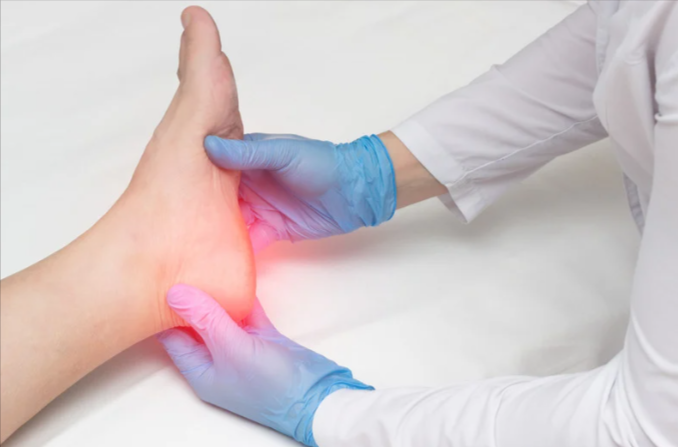
Few foot problems attract as many myths as the bony bump at the base of the big toe, and anyone looking into bunion treatment will quickly discover advice ranging from sensible to downright misleading. Magic toe spacers, overnight devices and exercise routines are promoted as cures, while others insist that surgery is always necessary.
The truth sits between those extremes. In this guide we explain what a bunion actually is, why it forms, which measures genuinely help with comfort and when surgery deserves serious consideration. We will also clear up some common misunderstandings. It is general information, not a substitute for personal medical advice.
What Is a Bunion?
A bunion, known medically as hallux valgus, is a change in alignment at the base of the big toe. The first metatarsal bone drifts inward towards the other foot, while the big toe angles outward towards the smaller toes. The joint at the base sticks out as a bump, which can become red, swollen and sore.
It is not simply extra bone. The deformity involves the position of the bones and the balance of soft tissues around the joint. That is why a bunion cannot be shaved off or reversed with a pad or a shoe.
Why Do Bunions Form?
Genetics play a major role. Many people inherit a foot shape, joint flexibility or tendon balance that makes bunions more likely. Family history is common. Flat feet, loose ligaments and some inflammatory conditions can also contribute.
Footwear does not usually cause bunions on its own, but tight, narrow or high-heeled shoes can make an existing tendency worse and increase pain. This is why bunions are more often seen in people who wear such shoes regularly. Over time, the deformity can gradually progress.
Common Symptoms
The bump on the side of the foot is the obvious sign, but symptoms vary. You may feel pain at the joint, especially in shoes, redness and swelling, a burning or numb sensation from irritated nerves, calluses where toes overlap and difficulty finding comfortable footwear. The second toe may become crowded, curl or develop corns.
Some people have large bunions with little pain, while others have small bunions that hurt a lot. Pain, not appearance, is what matters when deciding on treatment.
Starting With Comfort
For most people, initial care aims to relieve pressure and pain. Choose shoes with a wide, deep toe box and soft uppers that do not rub the bump. Stretchy fabrics or leather that moulds to the foot are often more comfortable than stiff materials. Avoid pointed toes and high heels where possible.
Gel or foam pads can cushion the bump, and toe spacers may relieve rubbing between the big toe and the second toe. Over-the-counter pain relief and cold packs may help in flare-ups, if suitable for you. A podiatrist can trim hard skin and advise on padding.
What About Orthotics and Splints?
Insoles and orthoses can improve foot mechanics and reduce strain on the joint, which may ease discomfort in some people. They can also help manage related problems such as flat feet or pressure under the ball of the foot.
Night splints and straightening devices are heavily marketed, but there is no good evidence that they permanently realign the bones in adults. They may offer temporary comfort for some, though they are not a substitute for appropriate care. Be cautious about products that promise to reverse a bunion without surgery.
Exercises: Helpful but Limited
Foot and toe exercises can strengthen the muscles of the foot and improve flexibility. Simple routines include spreading the toes, picking up small objects and gently moving the big toe. They may help with comfort and function, but they cannot correct the bone position.
Use exercises as a supportive measure, not a cure. If they cause pain, stop and seek advice.
Myths and Facts
Myth: Bunions are caused by wearing the wrong shoes. Fact: Genetics and foot structure are the main drivers, although tight shoes can make them more painful.
Myth: Bunions can be pushed back with exercises or gadgets. Fact: Adult bones do not realign with pads or splints, though these may ease discomfort.
Myth: Surgery is only cosmetic. Fact: Surgery is recommended mainly for pain and function, and good surgeons discourage it for looks alone.
Myth: You must wait until a bunion is huge before operating. Fact: Timing depends on symptoms, not size, and waiting too long can make the foot harder to correct.
Choosing Everyday Shoes
Shop for shoes in the afternoon, and stand up when you try them. Look for a toe box shaped like your foot, rather than one that forces your foot into a narrow curve. Check the width at the ball of the foot, where the bump sits. If the bump presses on the side seam, move on.
Soft leather, stretch fabrics and shoes with adjustable straps or laces often work well. A shoe repairer can sometimes stretch leather locally over the bump. Keep high heels for short occasions, and carry a spare pair of comfortable shoes for the journey home.
Managing Pain Day to Day
Pain often peaks at the end of a long day, so plan rest breaks and elevate your feet when you can. Warm foot soaks can ease stiffness, while cold packs help swelling after activity. If walking for exercise, choose cushioned, supportive trainers with a roomy toe box, and increase distance gradually.
Night pain can occur, especially if the joint is inflamed. A pillow under the knees, loose bedding that does not press on the toes and simple pain relief taken as advised may help. Persistent night pain is worth discussing with a clinician.
Sport and Active Life
Many people with bunions continue to run, hike and dance with some adjustments. Choose shoes with a wide forefoot, check that insoles do not crowd the toe and use padding where the shoe rubs. Cross-training, such as cycling and swimming, can reduce repeated impact when the joint is sore.
Listen to your foot. Pain that lingers or worsens after activity is a signal to adjust, not to push harder.
When Is Surgery Worth Considering?
Surgery is usually recommended when pain persists despite well-fitting shoes and other measures, when the bunion limits daily activity or when there are recurrent problems such as sores, deformity of neighbouring toes or joint arthritis. It is not generally advised for appearance alone.
A good surgeon will take time to understand how the bunion affects your life, examine your feet standing and walking, review weight-bearing X-rays and explain realistic outcomes. They will also discuss the option of waiting.
Types of Bunion Surgery
There are many procedures, and the choice depends on the size of the deformity, joint flexibility, bone quality and your goals. Most involve cutting and realigning the first metatarsal bone, sometimes with small screws or plates to hold it, and rebalancing soft tissues. Mild deformities may be treated with smaller procedures near the joint, while larger ones may need work at the base of the bone.
Minimally invasive techniques use small incisions and special instruments. They have become popular, and early results are encouraging for suitable patients, but long-term comparisons with traditional methods are still developing. Ask your surgeon which approach they recommend and why.
What Recovery Looks Like
After surgery, most people walk in a protective shoe, often straight away, with the foot elevated as much as possible in the first weeks. Swelling can last for several months. Many return to desk work within a few weeks, and to driving and normal shoes later, depending on the foot and the procedure. Sports often resume after a couple of months or more.
Follow your surgeon's instructions about weight-bearing, dressings and exercises. Report increasing pain, redness, fever or calf swelling promptly.
Risks and Realistic Expectations
All surgery carries risks, including infection, stiffness, delayed healing, nerve irritation, a stiff or over-corrected toe and, sometimes, recurrence of the bunion. Smoking, diabetes and poor circulation can increase risks. Most people are satisfied when surgery is done for the right reasons, but results vary.
Understanding these points before deciding helps you make a choice you are comfortable with.
Looking After Your Feet Long Term
Choose shoes that fit properly and replace worn pairs. Avoid forcing your feet into narrow shapes for long periods. Keep your weight in a healthy range, maintain foot strength and see a clinician if pain increases or new problems appear. If you have diabetes or reduced sensation, check your feet daily and seek prompt help for any skin damage.
Bunions in Younger People
Adolescent bunions are sometimes seen, and they can progress more quickly. Surgery in growing feet is more complicated and is usually delayed unless symptoms are severe. A specialist can advise on footwear, orthoses and monitoring.
Choosing Care Wisely
Be cautious of quick fixes, expensive gadgets and extreme claims. Look for clinicians who examine you thoroughly, discuss options honestly and respect your wishes. When searching for bunions treatment, prioritise advice grounded in evidence, a clear explanation of risks and a plan that matches your lifestyle.
A Final Reassurance
If a bunion worries you, remember that millions of people live with them comfortably. Many find that good shoes, simple padding and sensible expectations are all they need. If pain grows, a specialist can talk you through the options without pressure.
Planning the Next Step
If you are still unsure, book a conversation with a foot and ankle clinician rather than a purchase of another gadget. Bring your shoes, your questions and a description of what the bump stops you doing. A good clinician will help you decide whether to carry on with simple measures, try supports, or discuss surgery, and will respect whichever path you choose.
Frequently Asked Questions
Can a bunion be cured without surgery?
Non-surgical measures can relieve pain, but they do not realign the bones in adults. Surgery is the only way to correct the deformity.
Do bunions always get worse?
Many do progress slowly, but the rate varies. Some stay stable for years.
Is it too early for surgery if the bunion is small?
Size is less important than symptoms. Surgery is usually considered when pain and function are a problem.
Will the bunion come back after surgery?
Recurrence can happen in some people. Choosing the right procedure and following rehabilitation advice reduces the risk.
Can I wear heels again afterwards?
Many people return to a wide range of shoes, but high, narrow styles may cause problems again. Ask your surgeon for advice.
Final Thoughts
A bunion is a structural change, not a personal failing, and it deserves practical, honest advice. Start with comfortable shoes, simple supports and realistic expectations, and consider a specialist opinion if pain limits your life.
Whatever you decide, aim for the option that keeps you walking comfortably and confidently. This article offers general information only and cannot replace personal medical advice.

 English
 Arabic
 French
 Spanish
 Portuguese
 Deutsch
 Turkish
 Dutch
 Italiano
 Russian
 Romaian
 Greek