


Why Does Hair Density Improve in One Scalp Area but Not Another After PRP?
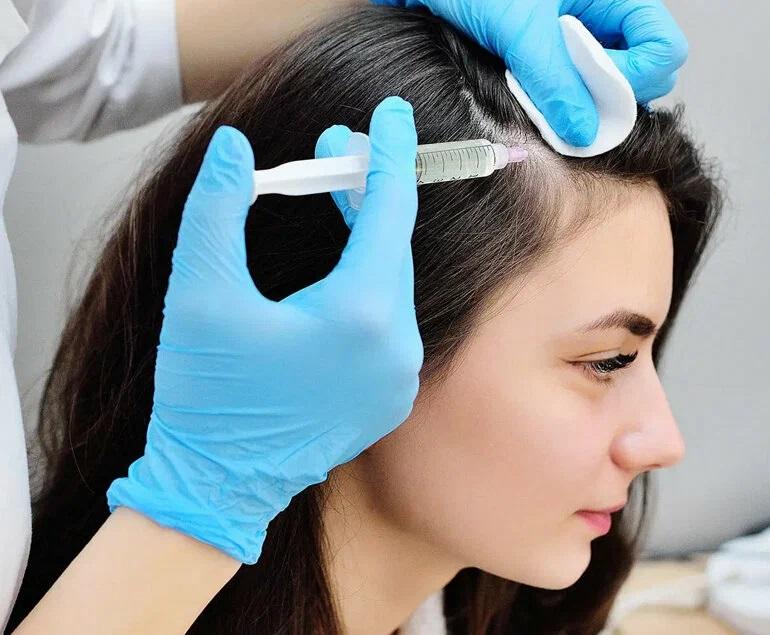
Have you noticed thicker hair in one part of your scalp after PRP treatment, while another area still looks thin? This uneven progress can be confusing, especially when you have completed multiple sessions and expected similar improvements across the entire scalp.
The truth is that hair follicles do not respond to treatment equally. Differences in follicle health, blood supply, hair-loss severity, and underlying conditions can all influence the outcome.
For patients considering PRP Hair Treatment in Islamabad, understanding why some scalp areas respond better than others can help create realistic expectations and guide future treatment decisions.
1. Hair Follicles Are Not Equally Healthy Across the Scalp
One of the main reasons for uneven improvement is the condition of the existing hair follicles. Some areas may contain relatively healthy follicles that produce thinner strands, while other areas may have more advanced follicle miniaturisation.
PRP delivers platelet-rich plasma containing growth-related proteins that may support the local environment around hair follicles. However, it cannot reliably restore follicles that have been permanently damaged or destroyed.
For example, a patient may notice improved thickness around the crown but little visible change near the front hairline. This can happen because the follicles in these areas are at different stages of hair loss.
The healthier and more active the follicles are, the greater the potential for improvement in suitable patients.
2. Different Areas May Have Different Stages of Hair Loss
Hair loss does not always progress evenly. In androgenetic alopecia, commonly known as pattern hair loss, some scalp regions may become thinner earlier or more severely than others.
The crown, temples, and frontal hairline can respond differently to treatment because the degree of follicle miniaturisation may vary. Areas with early thinning may have more active follicles than areas where hair loss has been progressing for years.
This means that even when the same PRP preparation is used, visible changes may differ between treatment areas.
The stage of hair loss can influence how much improvement is realistically possible.
3. Blood Supply and Local Scalp Conditions May Play a Role
Hair follicles depend on a healthy surrounding environment to support normal growth. Local tissue conditions, inflammation, and blood circulation may influence how follicles function.
PRP is injected into selected scalp areas, where platelet-derived growth factors may influence cellular activity. However, research has not established that differences in scalp blood supply alone explain uneven PRP responses.
Other local factors, including scalp inflammation and skin conditions, may also affect treatment outcomes.
A healthy scalp environment is an important part of any hair restoration plan.
4. Why Does the Crown Sometimes Respond Better Than the Hairline?
Some patients notice more visible improvement around the crown than at the frontal hairline. One possible explanation is that the crown and hairline may have different levels of follicle damage and miniaturisation.
The frontal hairline can be particularly difficult to restore when hair loss is advanced. If follicles have become severely miniaturised or are no longer functioning, PRP may provide limited improvement.
However, this is not a universal rule. Some individuals respond better in frontal areas, while others notice changes around the crown first.
The treatment response depends on individual follicle condition rather than a fixed rule about scalp location.
5. The Number of PRP Sessions Can Influence Visible Progress
PRP is generally offered as a course of treatment rather than a single appointment. Some patients require several sessions before changes in hair thickness or density become noticeable.
However, completing more sessions does not automatically guarantee better results. If one scalp area has more advanced hair loss, additional injections may not produce the improvement a patient expects.
A clinician should review progress before recommending further treatment. Comparing scalp photographs taken under similar lighting conditions can help identify changes more accurately.
Treatment frequency should be based on medical assessment, not simply on the desire for faster results.
6. What Factors Can Cause Uneven PRP Results?
Several factors may explain why one scalp area improves while another remains unchanged.
These include:
-
Differences in follicle health and miniaturisation.
-
Unequal severity and duration of hair loss.
-
Genetic patterns affecting different scalp regions.
-
Underlying nutritional or hormonal problems.
-
Inflammation or other scalp conditions.
-
Differences in individual response to treatment.
These factors can overlap, making it difficult to identify the exact reason without examining the scalp.
A personalised assessment is more useful than assuming that every area should respond identically.
7. Can Other Health Conditions Affect Hair Density?
Yes. Hair thinning is not always caused by genetics alone. Nutritional deficiencies, thyroid disorders, hormonal changes, certain medications, and prolonged physical or emotional stress can contribute to hair loss.
For example, low iron levels may contribute to diffuse shedding in some individuals. A patient receiving PRP may continue losing hair if an underlying medical issue remains untreated.
A dermatologist may recommend blood tests or other investigations based on symptoms and medical history. Treating the underlying cause can be an important part of improving overall hair health.
PRP should not replace the diagnosis and treatment of medical conditions that contribute to hair loss.
8. What Should You Do If One Area Is Not Responding?
If you notice improvement in one area but little change elsewhere, arrange a follow-up with your treating dermatologist or hair restoration specialist. The clinician can examine the scalp and determine whether the less responsive area has more advanced hair loss or another condition.
Depending on the findings, the treatment plan may need adjustment. Other options, such as topical minoxidil, appropriate medical treatment, or hair transplantation, may be discussed when suitable.
For patients exploring PRP Hair Treatment in Islamabad, a clinic should explain the expected benefits and limitations before starting treatment.
Do not continue paying for additional sessions without understanding why a particular area is not improving.
9. How Long Should You Wait Before Judging PRP Results?
Hair growth is gradual, so visible improvements usually take several months rather than days or weeks. Some patients notice changes in hair thickness or density after a few months, while others experience limited results.
Your clinician may recommend periodic assessments using scalp photographs, hair-pull testing, or other examination methods. These can help distinguish genuine improvement from differences caused by lighting, hairstyle, or hair length.
Patience is important, but progress should still be monitored objectively.
Frequently Asked Questions
Can PRP make one scalp area thicker than another?
Yes. Different areas may respond differently because follicle health, hair-loss severity, and local scalp conditions vary.
Does uneven improvement mean PRP has failed?
Not necessarily. Some areas may respond while others show limited change. A professional examination can help explain the difference.
Can PRP restore hair in completely bald areas?
PRP is generally less effective where functioning follicles are absent or permanently damaged. Other hair restoration options may be more appropriate.
Should I increase the number of PRP sessions?
Not without medical advice. Your specialist should assess the treatment response and determine whether additional sessions are likely to provide meaningful benefits.
Final Thoughts
Uneven hair density improvement after PRP is possible because different scalp areas have different follicle conditions, stages of hair loss, and treatment responses. While PRP may improve thickness in selected patients, it cannot guarantee uniform growth across the scalp. Understanding the condition of each treatment area is essential for choosing the right hair restoration approach.
Dynamic Aesthetic Clinic offers personalised aesthetic care with experienced expertise, board-certified surgeons, and advanced hair restoration techniques. Patients considering PRP Hair Treatment in Islamabad can consult the team for an individual scalp assessment and guidance about suitable treatment options.

 English
 Arabic
 French
 Spanish
 Portuguese
 Deutsch
 Turkish
 Dutch
 Italiano
 Russian
 Romaian
 Greek