


What Makes a Motorcycle Transmission Chain Suitable for Use?
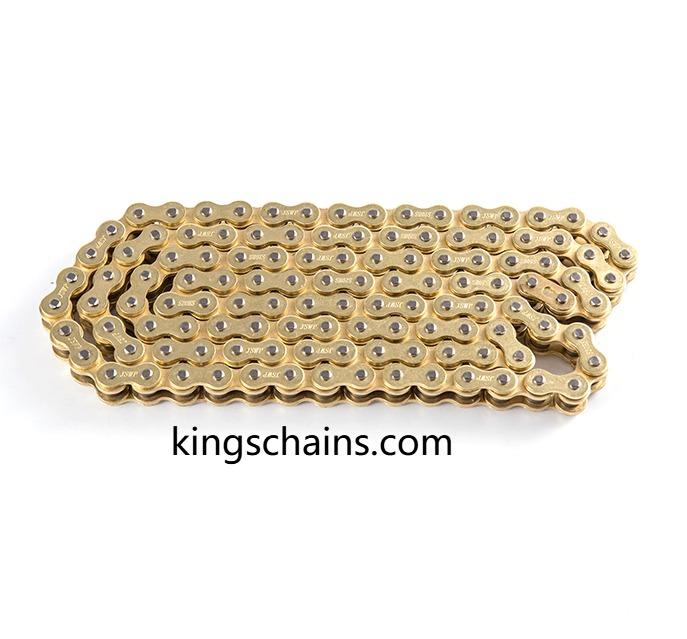
Motorcycle Transmission Chain selection involves several important considerations beyond price and appearance. Dimensions, material, construction, operating conditions, and maintenance expectations all influence whether a product is suitable for a particular application. For distributors, repair shops, and parts wholesalers, reviewing these factors before ordering can help reduce fitment problems and improve purchasing decisions. Clear product specifications also make communication with manufacturers more efficient.
Confirm the Required Dimensions
Size compatibility should be checked before comparing different products. Buyers need to identify the required pitch, inner width, and total link count. Common size references include 415, 420, 428, 520, 525, and 530. These specifications are not interchangeable because each refers to particular measurements and sprocket requirements.
The existing product marking, vehicle service manual, or supplier compatibility information can help confirm the required size. If the original part is worn or its marking is difficult to read, buyers can measure the relevant dimensions and compare them with a technical chart. Link quantity also deserves attention because an incorrect length may require additional adjustment or replacement work.
For bulk orders, prepare a specification sheet listing each required size and quantity. This gives the manufacturer a clear reference and helps purchasing teams review quotations from different suppliers.
Review Construction and Material Details
A drive assembly consists of several connected components, including inner plates, outer plates, pins, bushings, and rollers. Each part contributes to load transfer and smooth movement. Buyers should ask about the materials used for these components and the manufacturing processes applied during production.
Heat treatment, surface finishing, dimensional control, and assembly procedures are relevant points to discuss. Rather than relying on broad product descriptions, request available technical information explaining the construction and inspection process. This helps buyers understand how a product is made and whether its specifications match the intended working conditions.
It is also useful to ask whether the supplier can provide product drawings, inspection records, or sample units for evaluation. These materials give purchasing teams a practical basis for reviewing product consistency before placing a larger order.
Consider the Non-Sealed Structure
The sealing structure is another important selection factor. A non-sealed design does not use rubber sealing rings between the plates. This construction can be appropriate for applications where a simpler structure, easy cleaning, or particular equipment requirements are relevant.
However, buyers should also account for its maintenance needs. Lubrication and tension checks are important because the internal contact areas require suitable care during operation. Dust, moisture, mud, and other environmental conditions may influence the cleaning schedule and inspection frequency.
Before selecting this design, consider how the equipment will be used and how regularly maintenance can be performed. A product that suits a particular off-road or lightweight application may not be suitable for every vehicle. Application guidance and the vehicle manufacturer's requirements should remain part of the decision.
Check Sprocket and Connecting-Link Compatibility
A correctly sized assembly must also work with the matching sprockets. Pitch and width need to correspond to the sprocket specifications. Buyers should avoid choosing a replacement based only on its external appearance or a similar model description.
The connecting link is another detail that should be confirmed. Depending on the product design, available connection options may include clip-style or rivet-style links. Buyers should check which type is supplied, whether it is included in the order, and whether the required installation tools are available.
When replacing a worn drive system, inspect the sprocket teeth as well. Worn or damaged sprockets can affect the operation of a newly installed assembly. Checking both components helps buyers plan the replacement process and avoid ordering parts that do not work together.
Evaluate Quality Control and Supply Support
For distributors and wholesale buyers, product quality is only one part of supplier evaluation. Production capacity, inspection procedures, order communication, packaging, and delivery arrangements also matter. Ask how dimensions are checked, how products are identified, and how batches are managed before shipment.
A clear quotation should state the product size, quantity, connecting-link arrangement, packaging method, and any agreed inspection requirements. If several specifications are involved, request separate item details rather than relying on a general product name. This reduces misunderstandings between purchasing, production, and warehouse teams.
Buyers may also request samples before confirming a larger order. Sample evaluation can help verify dimensions, assembly details, and compatibility with the intended equipment. Any acceptance criteria should be agreed upon before production begins.
Prepare the Right Questions Before Ordering
A useful purchasing checklist should cover dimensions, material, construction, application, maintenance, and delivery terms. Buyers should also provide the supplier with relevant vehicle or equipment details whenever possible. Specific information makes it easier to assess whether the proposed product matches the actual requirement.For distributors seeking a stable supply arrangement, direct communication with the manufacturer can clarify technical questions and order details. kingschains provides product information for buyers reviewing non-sealed options. Before making a purchasing decision, compare the required specifications with the available product details and discuss any uncertain points with the supplier. Buyers can visit https://www.kingschains.com/ to review the company and its product range, then provide their application requirements when requesting further information.

 English
 Arabic
 French
 Spanish
 Portuguese
 Deutsch
 Turkish
 Dutch
 Italiano
 Russian
 Romaian
 Portuguese (Brazil)