


End-Grain vs. Edge-Grain Wood for a Butcher Block: Which Should You Build With?
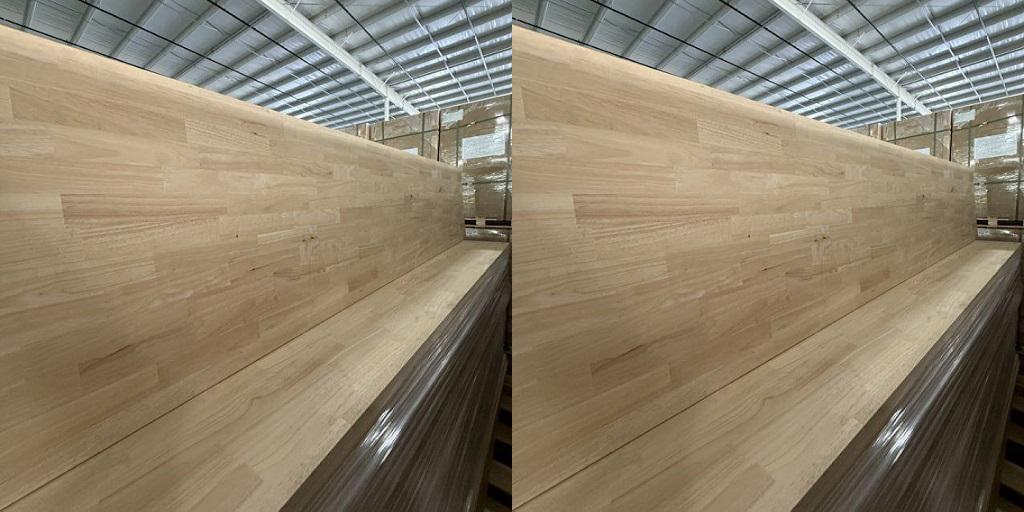
Your kitchen deserves quality materials, and you know that choosing the right wood for a Butcher Block affects its appearance, durability, maintenance, and overall cost. End-grain and edge-grain construction are both popular options, but they perform differently under daily use. It could be that you are building a kitchen countertop, a hardworking island, or a standalone cutting surface, it helps to understand what each style offers before buying materials.
Understanding the Difference
End-grain butcher block is made by joining small wood sections with their ends facing upward. This exposes the wood's growth rings and creates the familiar checkerboard pattern. Edge-grain construction uses long strips of lumber joined side by side, leaving the narrow edges visible across the surface. Its finished appearance has clean, parallel lines.
Both styles can be made from quality hardwoods. The difference lies in how the wood is arranged and how that arrangement handles cutting, pressure, and everyday wear.
End-Grain Butcher Block: Pros and Cons
End-grain is often the preferred choice for heavy-duty cutting surfaces. Because the wood fibers face upward, a knife can slip between them rather than cutting directly across their length. This helps reduce visible knife marks and makes the surface gentler on blades.
Pros:
- Self-healing appearance: Small cuts and scratches tend to close up visually as the wood fibers settle back into place.
- Knife-friendly surface: The exposed wood fibers provide a forgiving cutting area that can help preserve sharp knife edges.
- Good durability: Its substantial construction makes it suitable for demanding food preparation.
- Distinctive appearance: The checkerboard pattern adds character and can become a focal point in a kitchen.
Cons:
- Higher price: The smaller wood sections and more involved assembly require additional labor and material preparation.
- Heavy construction: Thick end-grain blocks can be difficult to move or install.
- More maintenance: The exposed fibers can absorb moisture, so regular oiling and careful cleaning are important.
End-grain works especially well for standalone chopping blocks, serious home cooking stations, and areas where meat preparation or frequent chopping is part of the routine. It's a strong option when cutting performance matters more than keeping the initial budget low.
Edge-Grain Butcher Block: Pros and Cons
Edge-grain wood for a butcher block offers a simpler construction method. Long hardwood strips are glued together to create a smooth, consistent surface. The result is attractive without the intricate pattern of end-grain.
Pros:
- More affordable: Straightforward construction generally makes edge-grain less expensive.
- Stable, practical surface: Properly built hardwood planks provide a dependable surface for counters and islands.
- Clean appearance: Its linear grain pattern suits traditional, modern, and farmhouse-style kitchens.
- Easier installation: Edge-grain countertops are often lighter and more manageable than thick end-grain blocks.
- Versatile sizing: Long planks work particularly well for continuous countertop runs.
Cons:
- Visible knife marks: Cuts and scratches remain on the surface rather than blending back into the grain.
- More wear from chopping: Repeated knife contact can leave noticeable marks over time.
- Periodic refinishing: Sanding and re-oiling may be needed to restore its appearance.
Edge-grain is a practical choice for kitchen countertops, islands, bars, laundry rooms, and commercial spaces. It's especially appealing when the surface needs to look good and handle everyday activity without the expense of a specialty chopping block.
Which Wood for a Butcher Block Should You Use?
The best option depends on the job. For a dedicated cutting board or butcher block used for frequent chopping, end-grain offers clear advantages. For a countertop, kitchen island, or bar top, edge-grain is often the more sensible investment. It provides a durable hardwood surface, attractive natural grain, and good value.
Quality matters just as much as construction, so look for a lumber supplier that offers diverse options: solid hardwood options, including acacia, offer natural character and strength. Solid wood butcher block countertops are also available in different sizes and can be cut, stained, and installed to suit a renovation or custom project.
Before choosing wood for a Butcher Block, consider how the finished surface will be used, how much maintenance you're willing to handle, and what your budget allows. End-grain is worth considering for serious chopping, while edge-grain is a reliable, cost-effective choice for most countertops, islands, and everyday kitchen builds.
For more information about Lumber Finger Lakes Ny and Cedar Tongue And Groove Please visit: Empire Real Lumber.

 English
 Arabic
 French
 Spanish
 Portuguese
 Deutsch
 Turkish
 Dutch
 Italiano
 Romaian
 Portuguese (Brazil)
 Greek