


How to Find the Best place to buy 3D printer in Chennai
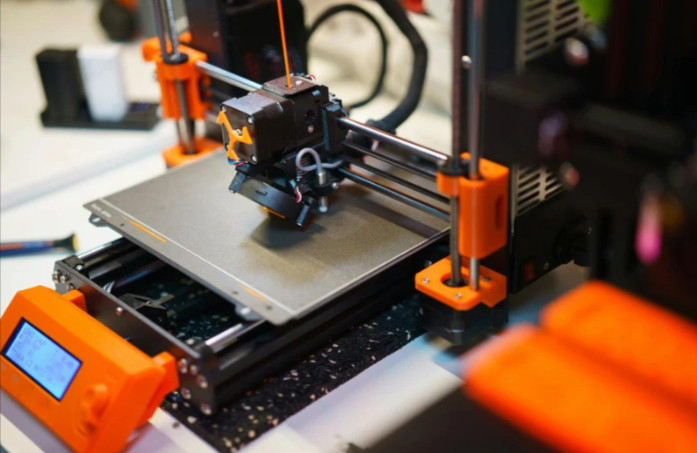
How to Find the Best place to buy 3D printer in Chennai
Finding the Best place to buy 3D printer in Chennai is an important step for anyone planning to enter the world of 3D printing, whether for personal projects, education, product development or business use. If you are considering a Bambulab 3d printer, understanding its features, applications and suitability for your work can help you make a more confident purchasing decision.
3D printing has changed the way people approach product design and prototyping. Instead of depending entirely on traditional manufacturing methods, users can create physical models directly from digital designs. This makes it easier to test ideas, make changes and produce customised objects.
However, choosing a suitable machine involves more than selecting a popular brand. You need to consider the type of printing technology, build volume, material compatibility, software, maintenance and after-sales support. This guide explains what to look for when buying a machine in Chennai and how to choose equipment that suits your requirements.
1. Why Is 3D Printing Becoming Popular?
3D printing is an additive manufacturing process in which an object is created by adding material layer by layer. It starts with a digital design, which is processed using slicing software before being sent to the machine.
The technology is useful because it allows users to turn digital concepts into physical objects without needing traditional moulds or specialised production setups for every design.
Several industries and user groups now explore 3D printing for different purposes.
Product design and prototyping
Product designers can create physical samples of their concepts before moving towards final production. A prototype helps them examine dimensions, shape, assembly and usability.
For example, a designer developing a new electronic device enclosure can print a sample and check whether the internal components fit correctly. If changes are needed, the digital design can be modified and printed again.
Education and research
Schools, colleges and research institutions can use 3D printing to make learning more practical. Students can create models related to engineering, science, mathematics and architecture.
Instead of only studying a diagram, learners can examine a physical model and understand its structure.
Engineering and manufacturing
Engineers use printed components to evaluate product designs, test dimensions and demonstrate mechanical concepts. Depending on the material and machine, some printed parts may also be suitable for functional testing.
The suitability of a printed component should always be assessed according to its intended use, particularly where strength or safety is important.
Architecture and creative projects
Architects can create scale models of buildings, while artists and hobbyists can produce decorative objects, miniatures and customised designs.
This flexibility makes 3D printing useful for both professional and personal projects.
2. What Should You Consider Before Buying a 3D Printing Machine?
Before comparing brands and models, identify what you want to create. A machine suitable for simple educational projects may not be ideal for detailed commercial prototypes.
Understand your printing requirements
Start by making a list of the objects you expect to print. Consider their size, shape, level of detail and intended use.
Ask yourself:
-
Will I print small or large objects?
-
Do I need functional prototypes or decorative models?
-
Will the machine be used occasionally or regularly?
-
Do I need to work with different materials?
-
Will several people use the machine?
These questions help narrow down the available options.
Check the build volume
Build volume determines the maximum dimensions of an object that can be printed in one session.
If you mainly print small models, a compact machine may be enough. Larger prototypes or multiple parts may require a bigger printing area.
Do not assume that a larger build volume is always better. It is important to balance the machine's capacity with the available workspace and your actual requirements.
Compare printing speed
Printing speed can affect how quickly a project is completed, but the advertised maximum speed does not always represent the speed you will use for every design.
Complex models, fine layer settings and different materials may require adjustments. Consistent output quality should be considered alongside speed.
Review software compatibility
Slicing software converts a 3D model into instructions that the printer can understand. It controls settings such as layer height, infill, supports and printing temperature.
A beginner may prefer software with a clear interface and helpful preset profiles. Experienced users may want more control over individual settings.
Check which file formats and software options are supported by the machine.
3. Why Consider a Bambu Lab Machine?
Bambu Lab is a recognised name in the desktop 3D printing market. Its machines are designed for users who want a combination of printing performance, software integration and convenient features.
Depending on the model, available features may include automatic calibration, assisted setup, remote monitoring and systems designed to support multiple filament colours or materials.
These capabilities can be useful for people who regularly work on different projects.
Features worth comparing
When exploring a particular model, check the following:
Automatic calibration: Some models include systems that help simplify machine setup and reduce certain manual adjustments.
Printing speed: Compare the manufacturer's stated performance with the type of objects and materials you plan to print.
Material compatibility: Different models support different filament types. Always check the official specifications before purchasing materials.
Build volume: Select a model that can accommodate your regular projects.
Connectivity: Depending on the model, features may include Wi-Fi and other connectivity options that make it easier to manage print jobs.
Software ecosystem: Review the supported slicing software and available workflow features.
Not every feature is available on every model, so compare the exact product specifications rather than assuming that all machines in a brand's range work in the same way.
4. Which Applications Can Benefit from Desktop 3D Printing?
A desktop machine can support a wide range of projects. The final application depends on the machine's capabilities and the material selected.
Custom product development
Small businesses can use 3D printing to create product samples and explore different designs. For example, a business developing a customised storage accessory can test several shapes before choosing a final version.
Mechanical components
Students and engineers can print housings, brackets, demonstration parts and other components. The material should be selected according to the mechanical requirements of the application.
Educational models
Educational institutions can produce models that help explain complicated concepts. Students can also use printing projects to learn design software and understand additive manufacturing.
Personalised objects
Hobbyists can create customised organisers, decorative items, display pieces and accessories. Digital designs can be modified to suit individual preferences.
Architectural models
Architectural students and professionals can use printed models to demonstrate building layouts, structures and design concepts. These models can help communicate ideas during presentations.
5. Understanding the Materials Used in 3D Printing
The material you choose influences the appearance, strength, flexibility and durability of the final object.
For FDM printing, thermoplastic filament is commonly used. Different materials have different printing requirements.
PLA
PLA is often used by beginners because it is relatively straightforward to print. It is suitable for decorative objects, educational models and many basic prototypes.
PETG
PETG offers a combination of strength and flexibility. It can be useful for a range of practical parts, depending on the specific formulation and application.
ABS
ABS is used for certain functional applications but generally requires more careful temperature management and printing conditions than PLA.
TPU
TPU is a flexible material that can be used for objects requiring some elasticity. Printing requirements vary according to the filament formulation and machine.
Before buying any material, confirm that it is supported by your chosen printer. Check the manufacturer's recommendations for nozzle temperature, bed temperature and other operating requirements.
6. Why Local Supplier Support Matters When Buying in Chennai
Purchasing a machine from a supplier is not only about completing an order. Buyers may need help understanding product specifications, selecting compatible materials and identifying the right accessories.
This is especially important for beginners who may not know which technical features are essential.
A reliable supplier should provide clear product information and help buyers understand the available options.
Consider the following points when comparing suppliers:
-
Product specifications should be clearly listed.
-
The available models should suit different applications.
-
Genuine products and warranty details should be explained.
-
Compatible materials and accessories should be available or clearly identified.
-
Delivery and service arrangements should be transparent.
-
Buyers should have a way to ask product-related questions.
If you are purchasing for a college, business or design studio, it may also be useful to discuss the expected printing workload before selecting a model.
7. What Makes Hydrotech 3D Chennai Worth Exploring?
Hydrotech 3D Chennai provides an online range of 3D printing products, allowing buyers to explore different machines and related materials.
When researching a purchase, you can review the available models and compare their specifications with your intended applications.
A useful buying process involves checking the following details:
Machine specifications: Review build volume, supported materials, printing technology and other relevant features.
Product suitability: Consider whether the machine is intended for beginners, regular prototyping or more specialised work.
Accessories: Check which items are included and which may need to be purchased separately.
Warranty and support: Understand the applicable warranty conditions and available service arrangements.
Material availability: Check whether compatible filament or other required consumables are available.
Hydrotech 3D Chennai's product categories can help buyers explore options from different manufacturers and compare machines according to their needs.
8. How to Set Up Your 3D Printing Workspace
A suitable workspace is important for reliable operation and convenient maintenance.
Choose a stable surface
Place the machine on a stable, level surface that can support its weight. Avoid locations where the machine may be disturbed during operation.
Organise your materials
Keep filament in suitable storage conditions, following the manufacturer's recommendations. Some materials can absorb moisture from the surrounding air, which may affect print quality.
Maintain proper ventilation
Consider the machine's operating requirements and the materials being used. Follow the manufacturer's guidance on ventilation, particularly when working with materials that may produce fumes or particles.
Keep tools accessible
Store cleaning supplies, removal tools and replacement components in an organised area. This makes routine maintenance easier.
Keep the area clean
Dust and debris can affect the printing environment. Clean the workspace regularly and follow the recommended cleaning procedure for the machine.
9. Common Mistakes to Avoid When Buying a Machine
First-time buyers can make decisions based on attractive advertisements or specifications without checking whether the machine is suitable for their projects.
Here are some mistakes worth avoiding.
Choosing only by brand name: A recognised brand can be a useful starting point, but the exact model must meet your requirements.
Ignoring material compatibility: Always check supported filament types and recommended printing conditions.
Buying a machine with insufficient build volume: Think about your future projects as well as your current needs.
Overlooking maintenance: Every machine needs appropriate care. Check whether replacement parts and technical information are available.
Not considering software: A suitable software workflow can make printing easier and help reduce setup difficulties.
Expecting every print to succeed immediately: Printing involves experimentation. Beginners should start with simple models and learn how different settings affect results.
10. How to Maintain Your 3D Printing Machine
Regular maintenance helps keep the equipment in good working condition.
Follow the manufacturer's maintenance schedule and avoid making adjustments that are not recommended for your model.
Some general practices include:
-
Keep the build surface clean.
-
Check the nozzle and other relevant components periodically.
-
Inspect moving parts according to the manufacturer's guidance.
-
Use compatible materials.
-
Keep firmware and software updated where appropriate.
-
Store filament in suitable conditions.
-
Remove leftover material safely after printing.
If the machine develops an unusual noise, repeated print failures or a technical fault, consult the product documentation or an authorised service provider rather than attempting unfamiliar repairs.
Frequently Asked Questions
1. Is 3D printing suitable for beginners?
Yes. Beginners can start with a suitable desktop machine and learn the basic process through simple projects. Understanding slicing software, material selection and machine maintenance is important.
2. What should I check before buying a machine in Chennai?
Compare the printing technology, build volume, supported materials, software, warranty and availability of spare parts. Also consider the supplier's product information and support arrangements.
3. What is Bambu Lab known for?
Bambu Lab is known for its desktop 3D printing machines and related software ecosystem. Depending on the model, features may include automatic calibration, assisted workflows and advanced material-handling options.
4. Can a desktop machine be used for business purposes?
Yes. Businesses may use desktop machines for product prototypes, design testing, customised products and small-scale projects. Suitability depends on the machine's capabilities and production requirements.
5. Which material is suitable for beginners?
PLA is often a convenient starting point for many FDM users. However, material choice should always depend on the intended object and the machine's compatibility.
6. Do I need design software to use a 3D printer?
You need a digital 3D model, which can be created or modified using modelling software or obtained from a suitable model library. Slicing software is then used to prepare the model for printing.
7. How much workspace does a desktop machine need?
The required space depends on the machine's physical dimensions and operating requirements. You should also allow room for material storage, maintenance and safe access.
8. Does a 3D printer require regular maintenance?
Yes. Routine cleaning and inspection help maintain performance. Specific maintenance tasks depend on the model and should follow the manufacturer's instructions.
Conclusion
Choosing a suitable 3D printing machine requires more than comparing brands and prices. You should first understand your applications, expected object sizes, material requirements and printing frequency.
If you are exploring desktop printing options, compare individual models carefully and check the specifications of each machine. Features such as automatic calibration, connectivity and material support can be useful, but their importance depends on your actual workflow.
For buyers in Chennai, Hydrotech 3D Chennai provides an online platform to explore available machines and related products. Review the product details, confirm compatibility and understand the support arrangements before placing an order.
With the right preparation, you can choose equipment that supports your learning, creative projects, prototyping needs or business activities.

 English
 Arabic
 French
 Spanish
 Portuguese
 Turkish
 Dutch
 Italiano
 Russian
 Romaian
 Portuguese (Brazil)
 Greek