


What Can Traditional Baglamukhi Temple Art Teach About Shakta Beliefs?
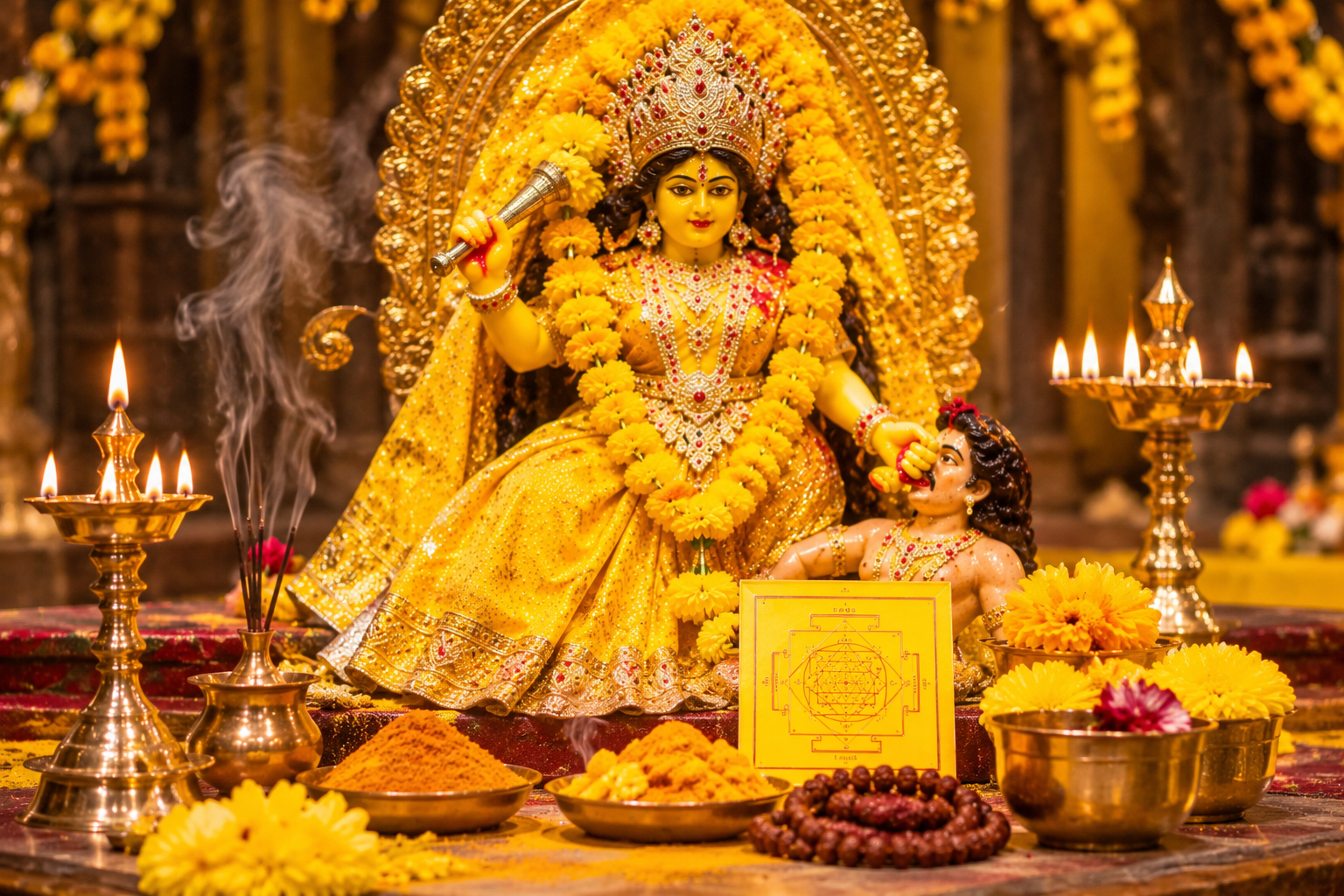
Temple art is more than decoration. The paintings, sculptures, colours, symbols, and visual arrangements found in Hindu temples often communicate religious ideas that may be difficult to understand through words alone. In temples dedicated to Maa Baglamukhi, traditional artwork can offer insights into the beliefs, values, and symbolic traditions associated with Shaktism.
Baglamukhi temple art provides a visual way to explore the relationship between divine feminine power, protection, discipline, speech, and spiritual strength. Through goddess paintings, ritual imagery, and traditional representations, devotees can learn how religious symbolism communicates different aspects of Shakta beliefs. However, artistic styles and interpretations may vary between temples and regional traditions.
Understanding these visual details helps visitors appreciate the cultural and religious meaning of temple artwork rather than viewing it simply as an attractive display.
1. Understanding the Connection Between Maa Baglamukhi and Shaktism
Shaktism is a Hindu tradition that recognises Shakti, the divine feminine power, as the ultimate source of energy and creation. Goddess forms represent different aspects of this power, including protection, wisdom, transformation, strength, and compassion.
Maa Baglamukhi is one of the ten Mahavidyas, a group of significant goddess forms within Shakta traditions. She is commonly associated with the power to restrain harmful speech, overcome opposition, and control disruptive forces.
Traditional temple artwork often reflects these associations through the goddess's appearance, posture, objects, and surrounding imagery. These visual elements help communicate the understanding that divine power is not limited to physical strength. It can also represent control over speech, thoughts, and actions.
For visitors, studying these representations provides an introduction to the wider philosophical ideas found in Shakta traditions.
2. What Maa Baglamukhi's Iconography Represents
Iconography refers to the visual features used to represent a religious figure. In traditional depictions, Maa Baglamukhi is often shown wearing yellow garments and holding a club while grasping the tongue of an opposing figure.
These elements are generally understood through symbolic interpretations rather than as ordinary scenes.
The symbolism of restraining the tongue
One of the most recognisable features in Baglamukhi imagery is the goddess holding an opponent's tongue. This representation is commonly associated with the power to restrain harmful speech, false statements, and destructive verbal actions.
It can also encourage devotees to reflect on the importance of controlling their own words. In this sense, the image communicates a broader lesson about responsible speech and self-discipline.
The significance of the club
The club or mace held by the goddess is often interpreted as a symbol of strength, authority, and the ability to confront disruptive forces. Its presence reinforces the protective and powerful character associated with Maa Baglamukhi.
The meaning of particular objects may differ according to artistic traditions and religious explanations, so visitors should consider the temple's own interpretation when available.
3. Why Yellow Appears Frequently in Baglamukhi Temple Art
Yellow is strongly associated with Maa Baglamukhi in many devotional traditions. It appears in goddess paintings, clothing, decorations, offerings, and other visual elements connected with her worship.
The colour is commonly linked with auspiciousness, spiritual focus, and the traditional practices associated with the goddess. Its repeated appearance creates a recognisable visual identity within Baglamukhi temples.
Yellow can also help visitors understand how colour communicates religious meaning. Instead of being selected only for decoration, colours may connect an image with particular devotional associations.
When examining temple artwork, visitors can observe:
· The colour of the goddess's garments.
· Yellow elements in the surrounding decorations.
· The relationship between the background and the central image.
· Whether the same colour appears in other ritual objects.
These details show how colour becomes an important part of Shakta art and devotional expression. However, the use of yellow may vary in intensity and style between temples.
4. How Goddess Paintings Communicate Divine Feminine Power
Goddess paintings are an important part of religious visual culture. They allow devotees to understand divine qualities through facial expressions, posture, clothing, gestures, and symbolic objects.
In Baglamukhi-related paintings, the goddess is often represented with a powerful and composed appearance. This combination can communicate authority and control rather than uncontrolled aggression.
Such representations reflect an important aspect of Shakta beliefs: divine feminine power can protect, transform, restrain, and restore balance.
Different artistic traditions may emphasise different qualities. Some paintings focus on the goddess's traditional iconography, while others highlight her association with yellow, sacred surroundings, or ritual worship.
When studying these paintings, it is useful to look beyond artistic beauty and ask what each visual feature communicates about the goddess.
5. The Role of Religious Symbolism in Temple Decorations
Religious symbolism allows complex beliefs to be expressed through recognisable visual elements. In Shakta temples, these symbols may appear in paintings, sculptures, decorative patterns, ritual objects, and architectural details.
Baglamukhi temple art may include several symbolic elements:
· Goddess imagery: Represents the divine feminine power worshipped by devotees.
· Yellow decorations: Reflect traditional associations with Maa Baglamukhi.
· Sacred objects: Communicate aspects of divine authority and ritual practice.
· Lotus imagery: In Hindu religious art, the lotus can represent purity and spiritual significance, although its use and interpretation vary.
· Yantra designs: May represent sacred geometry and specific devotional or tantric traditions.
Not every temple uses all these elements, and their meanings should not be assumed to be identical everywhere. Local traditions, temple histories, and the explanations of priests can provide valuable context.
6. What Temple Art Teaches About Control Over Speech and Actions
One of the most distinctive themes associated with Maa Baglamukhi is the restraint of harmful speech. This idea is especially visible in her traditional iconography.
The symbolism can be understood as a reminder that words have consequences. Careless speech, false accusations, anger, and unnecessary arguments can create difficulties in personal and social relationships.
From this perspective, the artwork encourages reflection on:
Responsible communication
The visual representation of restraining the tongue can remind devotees to speak thoughtfully and avoid using words to hurt others.
Self-control
The goddess's composed appearance can be interpreted as an expression of discipline and control. It encourages individuals to consider how they respond to difficult situations.
Protection and balance
Baglamukhi's protective associations are often understood through the idea of restraining harmful influences and restoring balance. This interpretation connects the artwork with broader Shakta themes of divine protection.
These are devotional and philosophical interpretations, not guarantees that worship or viewing an image will produce particular worldly results.
7. Regional Differences in Traditional Shakta Art
Shakta art does not follow one universal visual style. The appearance of goddess paintings, temple sculptures, decorative patterns, and ritual imagery can differ according to regional customs and artistic influences.
A Baglamukhi temple in one region may use a particular painting style, while another may emphasise sculpture, murals, or traditional decorative arrangements.
These differences can reflect:
· Local artistic materials and techniques.
· Regional approaches to goddess worship.
· Temple history and renovation.
· Traditions followed by the local community.
· The influence of particular religious teachers or lineages.
For anyone interested in Shakta art, comparing these differences can provide a broader understanding of how religious beliefs are expressed through local culture.
It is also important to distinguish traditional temple artwork from modern devotional posters. Both may serve devotional purposes, but they can differ in artistic technique, historical context, and religious interpretation.
8. How to Study Baglamukhi Temple Art During a Visit
Visitors do not need specialised knowledge of religious art to appreciate a temple's visual traditions. A thoughtful approach and attention to details can make the experience more meaningful.
Start by observing the main image of Maa Baglamukhi. Notice the goddess's posture, clothing, facial expression, and symbolic objects. Then examine the surrounding decorations and any paintings or sculptures depicting related religious themes.
You can also:
1. Read available explanations about the temple's artwork and history.
2. Ask a knowledgeable priest about the meaning of important symbols.
3. Observe whether particular colours or objects appear repeatedly.
4. Compare different representations without assuming they have identical meanings.
5. Respect temple rules regarding photography and access to sacred spaces.
If you are documenting your visit, record the temple's explanation of each symbol rather than relying only on general interpretations found elsewhere.
9. Why Traditional Baglamukhi Art Remains Culturally Important
Traditional temple artwork helps preserve religious knowledge and artistic heritage. It connects present-day devotees with visual traditions that have developed through worship, storytelling, craftsmanship, and regional cultural practices.
Baglamukhi temple art is particularly meaningful because it communicates ideas about divine feminine authority, protection, disciplined speech, and spiritual strength.
It also helps younger generations become familiar with Shakta traditions through visual learning. A painting or sculpture can encourage questions about the goddess, her place among the Mahavidyas, and the wider beliefs associated with her worship.
Preserving such artwork requires respect for its religious context as well as attention to its artistic and historical value. Temple communities, artists, and visitors all contribute to keeping these traditions meaningful.
Conclusion
Traditional Baglamukhi temple art offers valuable insights into Shakta beliefs through goddess iconography, colours, symbolic objects, and devotional imagery. Its visual language helps communicate the divine feminine power associated with Maa Baglamukhi, particularly themes of protection, restraint, authority, and control over harmful speech.
By studying goddess paintings and other forms of religious symbolism, visitors can develop a deeper appreciation of the beliefs behind the artwork. Understanding regional differences and seeking explanations from knowledgeable temple representatives also helps prevent incorrect assumptions.
Ultimately, Baglamukhi temple art is not simply an expression of religious decoration. It is a visual record of devotional ideas, cultural traditions, and the continuing significance of Shakta worship.

 English
 Arabic
 French
 Spanish
 Portuguese
 Deutsch
 Turkish
 Italiano
 Russian
 Romaian
 Portuguese (Brazil)
 Greek