


Reliable Manufacturing for Contemporary Sunwear
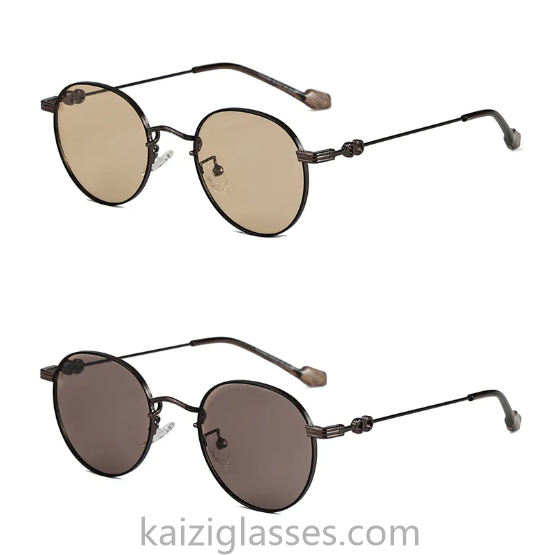
Sunglasses are an important category in the eyewear market because they combine visual comfort, outdoor functionality, and fashion appeal. For brands, retailers, and distributors, selecting the right products requires attention to frame design, lens characteristics, material quality, and manufacturing consistency. A professional Sunglasses Factory can support these requirements through product development, material processing, assembly, and quality inspection. Understanding the manufacturing process helps buyers evaluate products more carefully and develop collections suited to different customer groups.
Frame design is one of the most recognizable features of sunglasses. Aviator, square, round, rectangular, cat-eye, and oversized styles each create a different visual identity. Some designs focus on classic proportions and everyday versatility, while others emphasize bold shapes, decorative details, or contemporary fashion elements. Designers can adjust frame width, lens height, bridge structure, rim thickness, and temple shape to create variations within a collection. A balanced design should consider both appearance and how the sunglasses fit when worn.
Material selection influences the frame's weight, durability, appearance, and production requirements. Acetate is valued for its rich colors, layered patterns, and polished finish. It can support traditional styles as well as distinctive fashion designs. Injection-molded plastics offer flexibility in shape development and can be suitable for different product positions. Metal frames provide opportunities for slim structures and refined details. Buyers should evaluate these materials according to their target customers, desired product appearance, and sourcing budget.
Lens materials and construction are equally important. Polycarbonate is often selected for its lightweight characteristics and impact resistance. TAC lenses are commonly used in polarized sunglasses because their layered structure can incorporate a polarizing film. Other lens options may be considered depending on optical requirements and product positioning. Lens tint, mirrored finishes, gradient effects, and surface treatments also influence the product's appearance. Buyers should ensure that decorative features do not replace the need to verify optical performance.
Ultraviolet protection is a key consideration in sunglasses development. Products advertised with UV400 protection should meet the relevant requirements for blocking ultraviolet radiation across the specified wavelength range. Polarization serves a different function by reducing certain reflected glare from surfaces such as roads and water. One feature does not automatically guarantee the other. Buyers should confirm both characteristics independently and request appropriate testing or documentation when selecting products for their collections.
Frame construction affects fit, stability, and everyday comfort. The bridge, nose pads, temples, and hinges need to work together to create a balanced structure. A frame that is too heavy or poorly fitted may cause discomfort during extended use. Manufacturers should evaluate component alignment, temple curvature, and contact surfaces during sample development. Different face shapes and wearing preferences may also require variations in frame proportions. These considerations are important for both fashion-oriented sunglasses and products intended for outdoor activities.
Manufacturing quality depends on careful coordination across multiple production stages. Frame processing, lens preparation, surface finishing, hinge installation, and final assembly all influence the finished product. Inspection procedures should assess frame symmetry, lens alignment, hinge movement, surface condition, and component fitting. For sunglasses with specified lens features, appropriate verification should also be included. Consistent quality management helps reduce defects and maintain alignment between approved samples and subsequent production batches.
Customization provides opportunities for brands to develop products that reflect their identity. Buyers may request particular frame colors, lens tints, mirrored finishes, temple patterns, logo placement, and packaging. OEM production can follow customer-provided designs, while ODM development may involve adapting existing product concepts. When working with a Sunglasses Factory, businesses should communicate their target market, intended product positioning, material preferences, and customization requirements clearly. This allows the manufacturer to assess feasibility and coordinate the sampling process more efficiently.
For international wholesale projects, buyers should also consider packaging, labeling, product documentation, and destination-market regulations. Sample approval helps confirm the appearance and construction before larger orders are placed. Clear inspection criteria and communication about production expectations can support more predictable sourcing. Businesses should also ensure that product descriptions accurately represent the materials and lens functions of the supplied sunglasses.
A successful sunglasses collection combines appealing design with reliable construction and verified lens performance. Brands that evaluate these elements together can develop products for everyday retail, outdoor use, and fashion-focused markets. Businesses exploring different frame styles, lens options, and customized sunwear collections can review available products at https://www.kaiziglasses.com/product/sunglasses/ when planning their next sourcing project.

 English
 Arabic
 French
 Spanish
 Portuguese
 Deutsch
 Turkish
 Dutch
 Italiano
 Russian
 Portuguese (Brazil)
 Greek