


Why Concrete Joint Filling Services Matter for Durable Commercial Floors
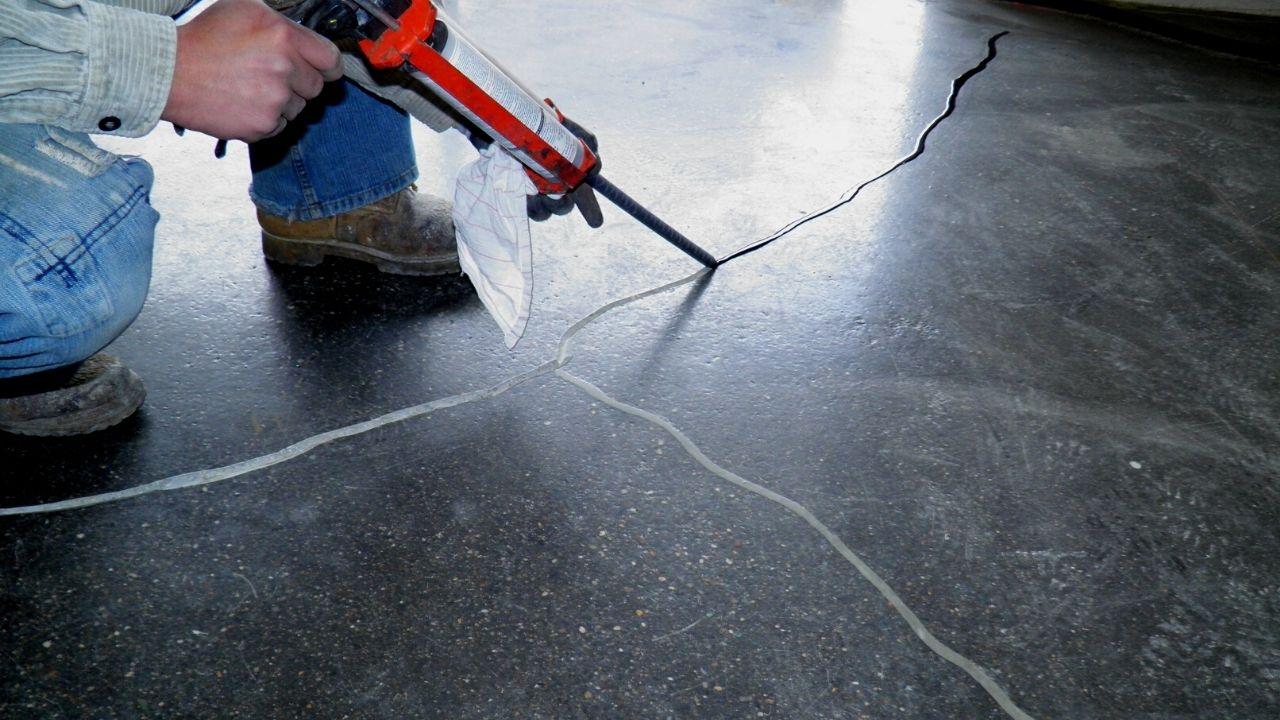
Commercial and industrial concrete floors experience heavy pressure every day from forklifts, machinery, vehicles, and regular foot traffic. Over time, this constant use can create damage around floor joints, leading to cracks, broken edges, and uneven surfaces. Proper maintenance is important to keep these floors safe and reliable. Concrete joint filling services help protect floor joints, reduce damage, and support the long-term performance of commercial flooring systems. Understanding how joint filling works can help property owners make better decisions about floor maintenance.
What Are Concrete Joints and Why Do They Matter?
Concrete joints are planned spaces or cuts in concrete floors that help manage natural movement. Concrete can expand, shrink, and shift because of temperature changes, moisture, and normal settling. Joints provide controlled areas where this movement can happen without causing random cracks across the entire floor.
These joints are especially important in warehouses, factories, distribution centers, and retail buildings. Heavy equipment and daily operations place extra pressure on concrete surfaces. When joints are not maintained properly, their edges can begin to break down. This can create safety concerns and increase future repair costs.
How Concrete Joint Filling Services Protect Commercial Floors
Floor joints need proper attention to prevent damage from regular building activities. Professional joint maintenance helps protect the edges of concrete slabs and keeps the floor surface in better condition. It also reduces the chances of small problems becoming expensive repairs.
Proper concrete joint filling services involve inspecting the existing joints, removing loose material, cleaning the openings, and applying a suitable filling product. The material is selected according to the joint type, floor conditions, and expected traffic.
In warehouses, for example, forklifts and pallet trucks regularly move across floor joints. If the joint edges are damaged, wheels can experience sudden impact while crossing these areas. A suitable joint filling solution helps create a more stable transition and supports smoother equipment movement.
Common Problems Caused by Unfilled Concrete Joints
Ignoring damaged joints can create several problems for commercial properties. Small defects may appear harmless at first, but regular traffic can make them worse.
Some common problems include:
-
Edge chipping: Concrete edges may break when heavy wheels repeatedly pass over unprotected joints.
-
Crack development: Poor joint maintenance can contribute to further surface damage.
-
Debris collection: Open joints can collect dust, dirt, and small materials that are difficult to remove.
-
Uneven movement: Damaged joint edges can create rough transitions for vehicles and equipment.
-
Safety concerns: Broken concrete may create obstacles for workers and increase maintenance needs.
Regular inspections can help identify these issues before they affect larger sections of the floor.
Types of Concrete Joint Filling Materials
Choosing the right material is an important part of successful floor maintenance. Different products are designed for different joint conditions and traffic requirements. The correct option depends on the amount of movement expected, the width of the joint, and the type of equipment used inside the building.
A suitable concrete joint filler can help support joint edges and reduce damage caused by repeated traffic. Some materials are more rigid, while others offer greater flexibility to handle movement.
Semi-rigid fillers are commonly considered for interior industrial floors where forklifts and other heavy equipment operate. Flexible sealants may be suitable for joints that experience greater movement or environmental exposure.
Before selecting a product, contractors should examine the existing concrete and understand how the floor is used. Applying the wrong material may lead to early failure, so proper planning is important.
Benefits of Professional Concrete Floor Joint Filling
Professional maintenance can improve the condition and usability of concrete floors. It also helps building owners manage repair needs more effectively.
Some important benefits include:
1. Better Floor Protection
Filling damaged joints helps protect concrete edges from repeated impacts. This can reduce the risk of further chipping and surface deterioration.
2. Improved Equipment Movement
Smooth and properly maintained joint transitions help forklifts, carts, and other equipment move across the floor more easily.
3. Reduced Maintenance Costs
Early repairs can prevent small joint problems from developing into larger concrete repairs. This may reduce long-term maintenance expenses.
4. Cleaner Floor Conditions
Properly maintained joints are less likely to collect loose dirt and debris. This supports easier cleaning in busy commercial spaces.
5. Improved Workplace Safety
Repairing broken edges and uneven areas can help reduce floor-related hazards for employees and visitors.
How Concrete Floor Joint Filling Supports Industrial Operations
Industrial facilities need strong floors that can handle demanding working conditions. Manufacturing plants, warehouses, and storage buildings often use heavy machinery and equipment throughout the day. Even small floor defects can interrupt normal operations.
Effective concrete floor joint filling helps maintain the condition of joints in these environments. It can reduce damage caused by repeated wheel impact and support a more consistent floor surface.
Before starting any repair, professionals should inspect the joint depth, width, condition, and surrounding concrete. They should also consider whether the joint is designed for movement or is intended to provide support between slabs. This assessment helps determine the most suitable repair method.
Good preparation is equally important. Removing dust, loose concrete, and old damaged material allows the new product to bond properly with the joint surfaces.
When Should Commercial Concrete Joints Be Repaired?
There is no single repair schedule that works for every building. The right time depends on traffic levels, floor age, environmental conditions, and the quality of previous repairs.
Property managers should arrange an inspection when they notice broken joint edges, loose material, visible gaps, or repeated damage around the same areas. These signs may indicate that the existing joint protection is no longer performing properly.
Control joint filling should also be considered when planned joints begin to show deterioration. Regular inspections help identify areas that need attention before they affect daily operations.
It is better to address early signs of damage instead of waiting until large sections of concrete need replacement. A maintenance plan can help businesses manage repairs while keeping their facilities operational.
How to Choose the Right Joint Filling Approach
Selecting a suitable repair method requires an understanding of the building's flooring needs. Not every concrete floor experiences the same type of pressure, so the repair solution should match the working environment.
Consider the following factors before beginning a project:
-
Floor usage: Identify whether the area receives foot traffic, forklift movement, or heavy machinery.
-
Joint condition: Check for cracks, broken edges, moisture, and old filler material.
-
Product suitability: Select a filling material designed for the joint type and expected movement.
-
Surface preparation: Make sure the joint is properly cleaned and prepared before application.
-
Professional experience: Work with contractors who understand industrial concrete floors and suitable repair methods.
Proper installation and regular inspections can help maintain better floor conditions over time.
Frequently Asked Questions
1. Why is concrete joint filling important?
It helps protect concrete joint edges from damage caused by heavy traffic, reduces debris collection, and supports better floor performance.
2. How often should concrete joints be inspected?
Inspection frequency depends on floor usage and building conditions. Busy warehouses and industrial facilities may need more frequent checks.
3. Which material is best for filling concrete joints?
The right material depends on joint movement, floor conditions, and traffic levels. Semi-rigid fillers are often considered for interior industrial floors.
4. Can damaged concrete joints be repaired without replacing the entire floor?
Yes. Many joint problems can be addressed through localized repairs when the surrounding concrete remains in suitable condition.
5. Do concrete joints require regular maintenance?
Yes. Regular inspections help identify damaged fillers, broken edges, and other problems before they become more serious.
Conclusion
Well-maintained concrete joints play an important role in protecting commercial and industrial floors. Proper material selection, surface preparation, and timely repairs can reduce edge damage, improve equipment movement, and support safer working conditions. Businesses should pay attention to early signs of joint deterioration and arrange professional inspections when needed. For companies looking for reliable concrete grinding, polishing, surface preparation, and joint maintenance solutions, All West Surface Prep is a company to consider when planning long-lasting commercial flooring improvements.

 English
 Arabic
 French
 Portuguese
 Deutsch
 Turkish
 Dutch
 Italiano
 Russian
 Romaian
 Portuguese (Brazil)
 Greek