


Imaging Techniques Used in Chronic Wound Evaluation
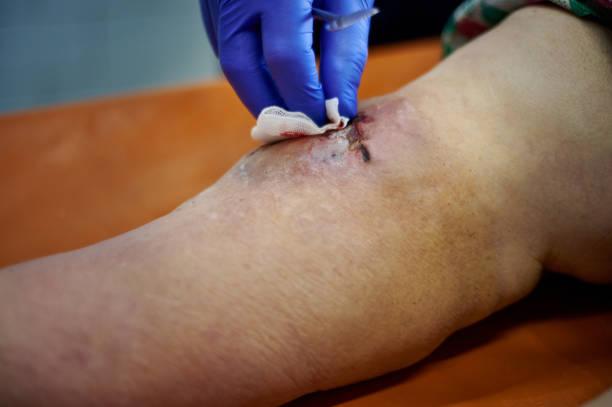
Chronic wounds are complex conditions that require more than visual inspection for accurate diagnosis and effective treatment planning. In many cases, the surface appearance of a wound does not fully represent the depth of tissue damage or the presence of underlying complications. This is why modern healthcare relies on advanced imaging techniques to evaluate chronic wounds in detail.
In clinical practice, Chronic wounds treatment Riyadh often includes diagnostic imaging to understand blood flow, tissue condition, and infection spread. These technologies help healthcare professionals make precise decisions, improve healing outcomes, and reduce the risk of complications.
- Imaging helps detect hidden tissue damage
- Supports accurate diagnosis of wound severity
- Guides effective and targeted treatment plans
- Reduces risk of long-term complications
Why Imaging is Important in Chronic Wound Care
Imaging techniques provide a deeper look into wound structure, which is essential for proper evaluation. Many chronic wounds extend beneath the skin, affecting muscles, blood vessels, and even bone.
Key Benefits
- Identifies deep tissue infection
- Evaluates blood circulation issues
- Detects abscesses or fluid buildup
- Helps monitor healing progress
X-Ray Imaging in Wound Assessment
X-rays are commonly used to assess bone involvement in chronic wounds. They are especially helpful when there is suspicion of infection spreading to deeper structures.
What X-Rays Reveal
- Bone infection (osteomyelitis)
- Structural damage beneath the wound
- Foreign objects inside the wound area
When X-Rays Are Used
- Long-standing non-healing wounds
- Suspected bone involvement
- Severe diabetic foot ulcers
Ultrasound Imaging for Soft Tissue Evaluation
Ultrasound is a non-invasive technique that uses sound waves to create images of soft tissues. It is widely used in chronic wound assessment.
Advantages of Ultrasound
- Real-time imaging of soft tissue damage
- Detection of fluid collections or abscesses
- Safe and painless procedure
Common Uses
- Evaluating wound depth
- Identifying infection pockets
- Monitoring healing progress
MRI for Detailed Tissue Analysis
Magnetic Resonance Imaging (MRI) provides highly detailed images of soft tissues, muscles, and bones. It is one of the most advanced methods used in wound evaluation.
Key Benefits of MRI
- High-resolution imaging of deep tissues
- Detection of hidden infections
- Assessment of blood flow and tissue viability
When MRI is Recommended
- Severe or complex chronic wounds
- Suspected deep tissue infection
- Non-responsive wounds to treatment
CT Scan for Comprehensive Evaluation
Computed Tomography (CT) scans provide cross-sectional images of the body, helping doctors assess the full extent of wound damage.
What CT Scans Show
- Bone and tissue structure
- Spread of infection
- Internal abscess formation
Clinical Use
- Complex wounds with unclear diagnosis
- Trauma-related chronic wounds
- Cases requiring surgical planning
Doppler Ultrasound for Blood Flow Assessment
Doppler ultrasound is specifically used to evaluate blood circulation in the affected area, which is crucial for wound healing.
Importance of Blood Flow Analysis
- Detects poor circulation in veins and arteries
- Helps diagnose venous insufficiency
- Guides compression therapy decisions
Role of Imaging in Chronic Wound Management
Imaging is not only used for diagnosis but also for ongoing monitoring of wound healing progress.
Treatment Planning Support
- Helps select appropriate therapies
- Determines need for surgical intervention
- Tracks response to treatment
Long-Term Management
- Prevents recurrence of chronic wounds
- Ensures complete healing of deep tissues
- Supports personalized care plans
In advanced healthcare systems, Chronic Wounds Treatment in Riyadh integrates imaging techniques into routine wound evaluation to ensure accurate and effective management.
Conclusion
Imaging techniques play a vital role in the evaluation and management of chronic wounds. They provide detailed insights into tissue damage, infection spread, and blood circulation, allowing healthcare professionals to design precise and effective treatment strategies. With modern diagnostic tools, chronic wound care has become more accurate, efficient, and patient-focused, leading to improved healing outcomes and reduced complications.
Book an Appointment
If you are dealing with a slow-healing or complex wound, advanced diagnostic evaluation is essential for proper treatment. At Royal Clinic Saudia, patients receive comprehensive wound assessment using modern imaging techniques to ensure accurate diagnosis and effective care. Booking an appointment helps you access timely medical support tailored to your condition.
FAQs:
Why are imaging techniques important in chronic wound evaluation?
Imaging techniques help doctors see beneath the surface of a wound, allowing them to assess tissue damage, infection spread, and blood flow issues for accurate diagnosis.
Which imaging method is most commonly used for wound assessment?
Ultrasound and X-rays are commonly used for initial evaluation, while MRI and CT scans are used for more complex or deep wounds.
Can imaging detect infection in chronic wounds?
Yes, imaging can help detect deep infections, abscesses, and bone involvement that may not be visible externally.
Is imaging necessary for all chronic wounds?
Not all wounds require imaging, but it is recommended for non-healing, severe, or complicated wounds to guide proper treatment.

 English
 Arabic
 French
 Spanish
 Deutsch
 Turkish
 Dutch
Dutch
 Italiano
 Russian
 Romaian
 Portuguese (Brazil)
 Greek
Greek