


Blood Sugar Test for Prediabetes: Signs, Results, and Next Steps
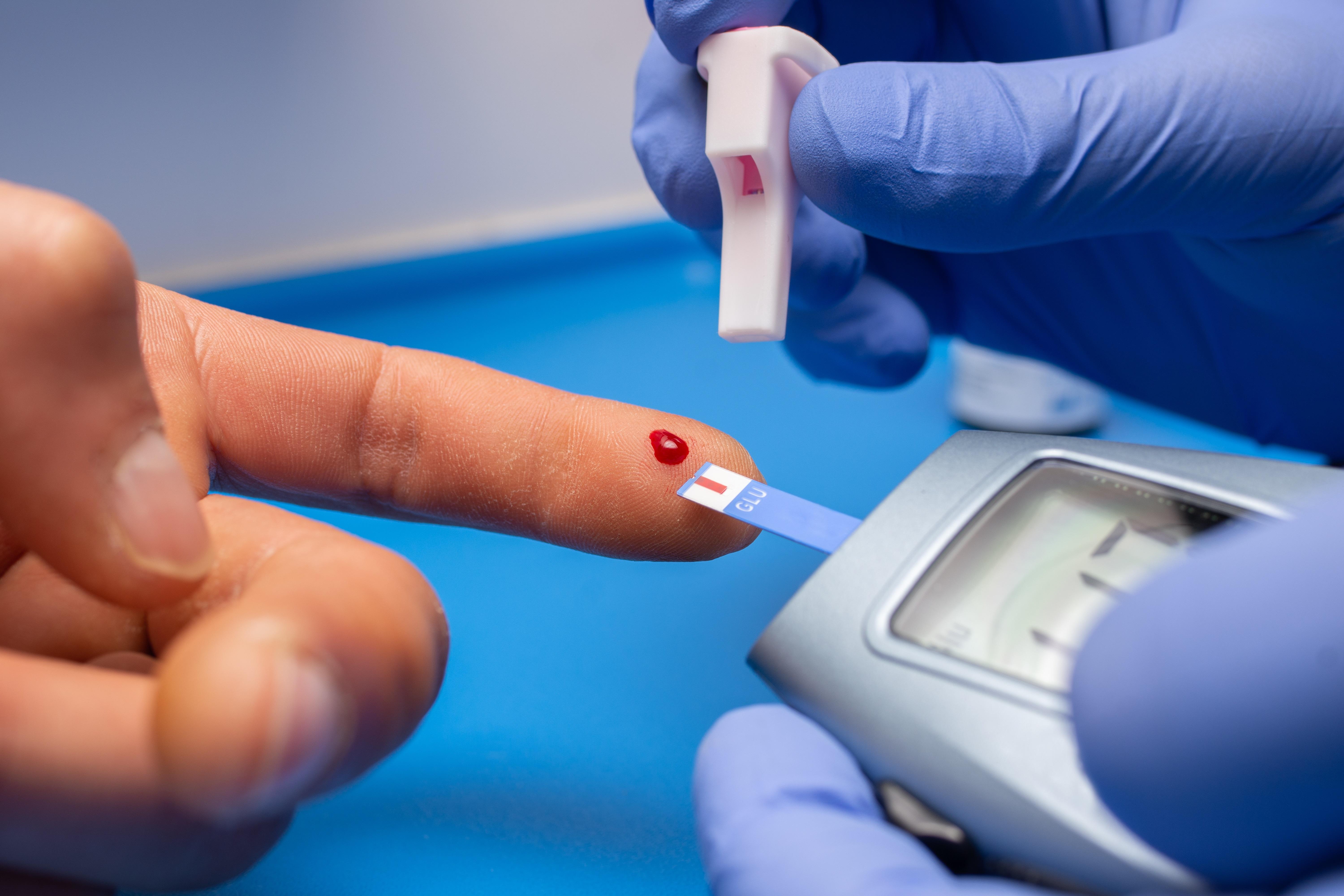
Prediabetes is a health condition in which blood glucose levels are higher than normal but not high enough to meet the diagnostic criteria for type 2 diabetes. It often develops gradually and may remain unnoticed for years because many people do not experience obvious symptoms. However, identifying prediabetes early provides an important opportunity to improve blood sugar control and reduce the risk of developing diabetes.
A Blood Sugar Test Dubai for prediabetes helps healthcare professionals identify abnormal glucose levels before more serious metabolic problems develop. Common screening methods include the fasting blood glucose test, HbA1c test, and oral glucose tolerance test (OGTT). Each test provides different information about how the body processes and regulates glucose.
Understanding prediabetes symptoms, normal blood sugar ranges, laboratory test results, and available prevention strategies can help you take timely action. This guide explains everything you need to know about prediabetes testing and the steps you can take after receiving an abnormal result.
What Is Prediabetes and Why Should You Take It Seriously?
Prediabetes occurs when the body cannot regulate blood glucose as effectively as it should. It is commonly associated with insulin resistance, a condition in which body cells do not respond properly to insulin.
Insulin is a hormone produced by the pancreas that helps glucose move from the bloodstream into cells for energy.
When insulin resistance develops, the pancreas may produce additional insulin to maintain normal glucose levels. Over time, the body's ability to compensate may become less effective, causing blood sugar levels to rise.
Without appropriate lifestyle changes and medical guidance, prediabetes can progress to type 2 diabetes.
However, prediabetes does not mean diabetes is inevitable. Early identification, healthy eating, regular physical activity, and weight management can significantly reduce the risk of progression.
Early Warning Signs of Prediabetes You Should Recognize:
One of the biggest challenges with prediabetes is that it frequently develops without noticeable symptoms.
Many people discover they have elevated blood glucose during routine health screening rather than because they feel unwell.
Nevertheless, certain signs may occur, particularly when insulin resistance is associated with other metabolic changes.
Common Symptoms and Physical Indicators
-
Increased thirst or dry mouth.
-
Frequent urination.
-
Unusual tiredness or low energy.
-
Increased hunger.
-
Difficulty losing excess weight.
-
Blurred vision in some individuals.
-
Darkened, thickened skin around the neck, armpits, or groin.
Darkened skin in body folds may indicate acanthosis nigricans, which is commonly associated with insulin resistance.
However, these symptoms are not specific to prediabetes. Many people with prediabetes experience no symptoms whatsoever.
The absence of symptoms does not guarantee normal blood sugar levels, which is why appropriate screening is important.
Which Blood Sugar Tests Can Detect Prediabetes?
Healthcare professionals use three main laboratory tests to identify prediabetes. Your doctor may recommend one or more depending on your medical history, risk factors, and individual circumstances.
A. Fasting Blood Glucose Test
The fasting plasma glucose test measures the amount of glucose in your blood after at least eight hours without food or caloric beverages.
It is commonly used for diabetes and prediabetes screening.
Prediabetes range: 100–125 mg/dL.
A result below 100 mg/dL is generally considered normal, while a result of 126 mg/dL or higher is in the diabetes range and usually requires confirmation.
B. Hemoglobin A1c Test
The HbA1c test measures the percentage of hemoglobin in red blood cells that has glucose attached to it.
Unlike fasting glucose testing, this test estimates average blood sugar levels over approximately two to three months.
It generally does not require fasting.
Prediabetes range: 5.7%–6.4%.
An HbA1c result below 5.7% is generally considered normal, while 6.5% or higher is in the diabetes range.
C. Oral Glucose Tolerance Test
The oral glucose tolerance test evaluates how efficiently your body processes glucose after consuming a standardized sugary drink.
The test usually involves measuring fasting blood glucose, drinking a solution containing 75 grams of glucose, and measuring blood sugar again two hours later.
Prediabetes range: 140–199 mg/dL after two hours.
A two-hour result below 140 mg/dL is generally considered normal, while a result of 200 mg/dL or higher is in the diabetes range.
Prediabetes Blood Sugar Levels: How to Interpret Your Results
Understanding laboratory results helps you recognize whether your blood glucose falls within the normal, prediabetes, or diabetes range.
The following table summarizes the commonly used diagnostic thresholds for nonpregnant adults.
| Blood Sugar Test | Normal | Prediabetes | Diabetes |
|---|---|---|---|
| Fasting blood glucose | Below 100 mg/dL | 100–125 mg/dL | 126 mg/dL or higher |
| HbA1c | Below 5.7% | 5.7–6.4% | 6.5% or higher |
| Two-hour OGTT | Below 140 mg/dL | 140–199 mg/dL | 200 mg/dL or higher |
These thresholds are used by the American Diabetes Association and other major medical organizations, although some international guidelines use different definitions for impaired fasting glucose.
An abnormal result does not necessarily mean you have developed diabetes.
In people without clear symptoms of hyperglycemia, a diabetes-range result generally requires confirmation with repeat testing or another accepted diagnostic test.
Your healthcare provider should interpret your results alongside your medical history and other relevant health information.
Who Should Get Tested for Prediabetes?
Prediabetes screening is particularly important for people with certain health conditions, lifestyle patterns, and family histories.
You may benefit from blood glucose testing if you have:
Excess Body Weight: Being overweight or having abdominal obesity increases the risk of insulin resistance.
Family History of Diabetes: Having a parent or sibling with type 2 diabetes increases your risk.
Physical Inactivity: Spending most of the day sitting may contribute to reduced insulin sensitivity.
High Blood Pressure: Hypertension is frequently associated with other metabolic risk factors.
Abnormal Cholesterol Levels: Low HDL cholesterol and elevated triglycerides may indicate increased metabolic risk.
Previous Gestational Diabetes: Women who experienced diabetes during pregnancy have a higher risk of developing prediabetes and type 2 diabetes later.
Polycystic Ovary Syndrome: PCOS is associated with insulin resistance and an increased risk of abnormal glucose regulation.
In the United States, the American Diabetes Association recommends screening adults beginning at age 35, with earlier screening for people with overweight or obesity and additional risk factors. Screening recommendations may differ by country and clinical circumstances.
What Happens After a Prediabetes Diagnosis?
Receiving a prediabetes diagnosis can be concerning, but it should also be viewed as an opportunity to prevent future complications.
The next steps generally involve understanding your risk factors, improving lifestyle habits, and monitoring glucose levels.
Step 1: Review Your Laboratory Results
Discuss your fasting glucose, HbA1c, or oral glucose tolerance test results with your healthcare provider.
Ask whether additional testing is needed and how frequently your blood glucose should be monitored.
Step 2: Evaluate Your Lifestyle Habits
Review your current eating patterns, physical activity, sleep schedule, and body weight.
Identify habits that may contribute to insulin resistance and discuss realistic improvements.
Step 3: Establish a Monitoring Schedule
People diagnosed with prediabetes should generally have their blood glucose status checked at least annually.
Your healthcare provider may recommend more frequent testing depending on your results and risk factors.
Step 4: Consider a Diabetes Prevention Program
Structured lifestyle programs can provide guidance on nutrition, exercise, weight management, and behavior changes.
Research from the Diabetes Prevention Program has demonstrated that intensive lifestyle intervention can substantially reduce the risk of developing type 2 diabetes in high-risk individuals.
Diet Changes That Can Help Reverse Prediabetes:
Healthy nutrition is one of the most important strategies for improving blood sugar regulation.
You do not necessarily need to eliminate carbohydrates or follow an extremely restrictive diet. Instead, focus on balanced meals and appropriate portion sizes.
Consider these dietary improvements:
-
Replace refined grains with whole grains where appropriate.
-
Include vegetables in your main meals.
-
Choose beans, lentils, and other fiber-rich foods.
-
Eat lean protein sources such as fish, eggs, and chicken.
-
Include healthy fats from nuts, seeds, and olive oil.
-
Reduce sugary beverages and processed snacks.
-
Limit excessive portions of white rice, white bread, and sweets.
Fiber-rich foods can slow carbohydrate digestion and help moderate post-meal glucose increases.
A balanced eating pattern can also support weight management and improve cardiovascular health.
Exercise and Weight Management: Two Powerful Prevention Strategies
Physical activity helps muscles use glucose more effectively and improves insulin sensitivity.
Regular exercise can also support healthy body weight, reduce abdominal fat, and improve cardiovascular fitness.
For many adults, a practical target is at least 150 minutes of moderate-intensity aerobic exercise each week.
Suitable activities include:
-
Brisk walking.
-
Cycling.
-
Swimming.
-
Dancing.
-
Light jogging.
-
Strength training.
Adding resistance exercises two or more days per week can further support muscle health and glucose metabolism.
For people with excess body weight, losing approximately 5%–7% of initial body weight can meaningfully reduce the risk of developing type 2 diabetes.
Even modest improvements in physical activity and nutrition can produce long-term health benefits.
Can Prediabetes Be Reversed Naturally?
Prediabetes can often improve significantly through sustainable lifestyle changes.
Some individuals achieve blood glucose levels within the normal range by improving nutrition, increasing physical activity, and losing excess weight.
However, the results depend on individual factors such as age, genetics, insulin resistance, medical conditions, and lifestyle habits.
It is important to understand that normal glucose readings after lifestyle improvements do not necessarily eliminate future diabetes risk.
Continue recommended screening and medical follow-up even if your blood sugar levels return to the normal range.
Medication such as metformin may be considered for certain high-risk individuals, particularly when lifestyle interventions alone are insufficient or additional risk factors are present.
Medication decisions should always be made with a qualified healthcare professional.
Mistakes to Avoid After Receiving Prediabetes Test Results:
Some people ignore prediabetes because they feel healthy or have no obvious symptoms.
Others make extreme dietary changes without understanding their nutritional needs.
Avoid these common mistakes:
-
Ignoring follow-up blood glucose testing.
-
Assuming prediabetes always progresses to diabetes.
-
Consuming excessive amounts of fruit juice or sugary drinks.
-
Eliminating all carbohydrates without medical guidance.
-
Relying on home glucose meters for a formal diagnosis.
-
Taking diabetes medication without professional advice.
-
Expecting immediate results from lifestyle changes.
The most effective prevention strategy involves consistent, realistic improvements supported by appropriate medical monitoring.
Frequently Asked Questions About Blood Sugar Tests for Prediabetes:
1. What is the normal fasting blood sugar level for prediabetes?
The fasting blood glucose range for prediabetes is 100–125 mg/dL. A result of 126 mg/dL or higher falls within the diabetes range and generally requires confirmation.
2. Can an HbA1c test detect prediabetes?
Yes. An HbA1c result between 5.7% and 6.4% indicates prediabetes under commonly used diagnostic criteria.
3. Does prediabetes have noticeable symptoms?
Most people with prediabetes do not experience obvious symptoms. Laboratory screening is often the only way to identify the condition.
4. How often should I get tested for prediabetes?
If you have been diagnosed with prediabetes, annual testing is generally recommended. Your healthcare provider may suggest more frequent monitoring depending on your risk factors.
5. Can walking help lower prediabetes blood sugar levels?
Yes. Regular walking can improve insulin sensitivity, help muscles use glucose, and support healthy weight management.
6. Is prediabetes a permanent condition?
Not necessarily. Many people can improve their blood glucose levels through lifestyle changes. However, continued monitoring remains important because diabetes risk may persist.
7. Should I take medication for prediabetes?
Not everyone with prediabetes needs medication. Lifestyle changes are generally the first approach, although metformin may be considered for selected high-risk individuals.
Conclusion: Early Testing Can Help Prevent Type 2 Diabetes
A blood sugar Lab tests for prediabetes is an important step toward identifying insulin resistance and abnormal glucose regulation before type 2 diabetes develops.
Fasting blood glucose, HbA1c, and oral glucose tolerance testing provide reliable ways to identify prediabetes and assess your metabolic health.
If your results fall within the prediabetes range, do not panic. Use the diagnosis as an opportunity to improve your eating habits, increase physical activity, manage body weight, and maintain regular medical checkups.
Early action can significantly reduce your risk of developing type 2 diabetes and support better long-term health.

 English
 Arabic
 French
 Spanish
 Portuguese
 Deutsch
 Turkish
 Dutch
 Italiano
 Russian
 Romaian
 Greek