


Why Vacuum Sealers Matter for Food Storage
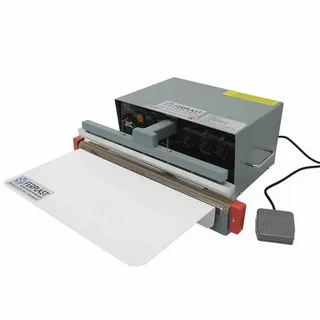
Keeping food fresh for longer is a priority for households, restaurants, catering businesses and food manufacturers. Poor storage can lead to changes in flavour, texture and quality, resulting in unnecessary food waste and higher grocery costs. Vacuum Sealers offer a practical way to package suitable food products by removing much of the air from a bag or container before sealing.
For UK households and commercial kitchens, Vacuum Sealers can make food storage more organised and manageable. Whether you want to portion meat, store vegetables, prepare meals in advance or package ingredients for a food business, the right equipment can support a more efficient routine. Understanding the available machines, their features and their limitations can help you choose a solution that fits your budget and everyday requirements.
How Vacuum Sealers Work
The basic operation of Vacuum Sealers is simple. Food is placed inside a compatible bag or container, air is removed using the machine, and the packaging is sealed to create a closed environment. Reducing the amount of air inside the package can help slow oxidation and certain quality changes associated with exposure to air.
Different Vacuum Sealers use different sealing methods depending on their design and intended application. Some machines draw air from specially designed bags, while chamber models remove air from the entire chamber before sealing the package. The appropriate option depends on the food being packaged, the volume of work and the type of packaging material used.
Key Benefits of Using Vacuum Sealers
One of the main reasons people invest in Vacuum Sealers is to improve the way food is stored. By reducing exposure to air, vacuum sealing can help maintain the quality of many suitable food products when combined with correct storage conditions. This can be useful for everyday meal preparation as well as larger commercial food operations.
Helping Preserve Food Quality
Exposure to air can contribute to oxidation, freezer burn and changes in the quality of certain foods. Vacuum Sealers help reduce the air surrounding food, which may support better preservation of flavour, colour and texture under suitable conditions.
A Food vacuum sealing machine can be particularly useful for packaging meat, fish, cheese and prepared ingredients. However, results vary depending on the food type, packaging material and storage temperature. Vacuum sealing does not stop all spoilage processes, so perishable foods must still be refrigerated or frozen appropriately.
Reducing Food Waste and Saving Money
Food waste can quickly increase household expenses and operating costs for businesses. Ingredients that are forgotten in the refrigerator or become unsuitable before use represent wasted money. Vacuum Sealers can help users divide food into smaller portions and package products for planned storage.
For example, households can separate bulk purchases into meal-sized portions, while restaurants can organise suitable ingredients for future preparation. A Household vacuum food saver system may be useful for people who regularly buy groceries in larger quantities or prepare meals ahead of time. Although the initial equipment cost should be considered, better portion control and storage habits may help reduce unnecessary waste.
Improving Kitchen Organisation
An organised kitchen makes food preparation easier. Properly sealed packages can be labelled, stacked and arranged according to product type or preparation date. Vacuum Sealers can therefore support better stock management in homes, restaurants and catering environments.
Clear labelling is particularly important when storing multiple ingredients. Adding the product name, packaging date and storage instructions can help users identify items and follow a sensible stock rotation routine. With consistent use of Vacuum Sealers, kitchens can make better use of available refrigerator and freezer space.
Different Types of Vacuum Sealers
Not every user needs the same type of machine. Vacuum Sealers are available in different designs, from compact household models to larger machines intended for commercial food operations. Understanding these differences is important before making a purchase.
Household Vacuum Food Saver Systems
Household models are generally designed for occasional or regular domestic use. They can be suitable for packaging individual portions, storing leftovers and preparing ingredients for freezing. A Household vacuum food saver system is often a practical option for people who want straightforward operation without investing in larger commercial equipment.
When comparing household Vacuum Sealers, consider their size, sealing performance, compatible bag types and ease of cleaning. A compact machine may be enough for occasional use, while frequent food preparation may require a model with additional features or greater capacity.
Commercial and Industrial Vacuum Sealers
Commercial kitchens and food production businesses often require equipment that can handle higher packaging volumes. A Commercial vacuum packaging sealer may offer features designed for frequent operation, larger packages and more demanding workflows.
For larger-scale applications, an Industrial vacuum chamber sealer may be worth considering. Chamber machines are commonly used in food processing and commercial environments where consistent packaging and higher production capacity are important. When comparing commercial Vacuum Sealers, businesses should review machine specifications, cycle times, chamber dimensions and maintenance requirements rather than relying on appearance or price alone.
Choosing the Right Vacuum Sealer for Your Needs
Buying equipment without understanding your requirements can lead to unnecessary expenses. Before selecting Vacuum Sealers, consider how often you plan to use the machine, the types of food you intend to package and the average size of each package.
For occasional household use, a compact model may provide sufficient functionality. Restaurants, butcher shops and food manufacturers may need a more capable Commercial vacuum packaging sealer to support their daily packaging workload. Businesses should also consider available workspace, staff training and long-term maintenance costs.
Packaging compatibility is another important factor. Air-tight vacuum bag sealing equipment should be used with suitable bags or materials recommended by the manufacturer. Check the available bag sizes, sealing requirements and whether replacement supplies are easy to obtain. Comparing these details can help you avoid unexpected costs after purchasing Vacuum Sealers.
Food Safety and Proper Vacuum Sealing Practices
Although Vacuum Sealers can support food preservation, vacuum packaging should never be treated as a replacement for safe food handling. Removing air does not eliminate harmful microorganisms, and some bacteria can grow in low-oxygen environments when food is stored incorrectly.
Perishable products must be kept at appropriate refrigerated or frozen temperatures. Clean preparation surfaces, suitable packaging materials and proper handling procedures are essential when using Vacuum Sealers. Food businesses in the UK should follow relevant Food Standards Agency guidance and maintain appropriate temperature controls.
It is also important to label packaged products clearly and follow suitable storage periods. Certain vacuum-packed chilled foods may require additional controls because of the potential growth of harmful bacteria. Businesses should assess their processes carefully and seek appropriate food safety guidance where necessary.
Why Packaging Quality Matters
The quality of the packaging material can affect the performance of Vacuum Sealers. Bags must be compatible with the machine and suitable for the food being stored. Poor-quality or incorrectly sized packaging may result in incomplete seals, leaks or reduced protection.
When choosing Air-tight vacuum bag sealing equipment, check the manufacturer's recommendations for compatible packaging materials. Consider the thickness, size and intended use of the bags, especially if you plan to package products with sharp edges or moisture. Choosing suitable materials can help improve sealing consistency and reduce packaging problems.
Exploring Vacuum Sealing Options with Vanderstahl
Finding suitable equipment requires comparing specifications, intended applications and overall value. Businesses and individuals researching Vacuum Sealers can explore brands and suppliers such as vanderstahl as part of their purchasing process.
Before choosing a machine, review its operating capacity, sealing method, packaging compatibility and maintenance requirements. It is also useful to ask suppliers about technical specifications, available support and the ongoing cost of consumables. Comparing these factors can help buyers decide whether a particular model suits their requirements and budget.
Whether you are looking for a household solution or equipment for a commercial operation, selecting Vacuum Sealers based on practical needs is more important than simply choosing the most expensive option. A well-informed purchase can support a more organised and efficient food storage routine.
Conclusion: Making Food Storage More Efficient
Food storage plays an important role in maintaining quality, controlling waste and organising everyday kitchen operations. Vacuum Sealers provide a practical packaging option for households and businesses that want to reduce exposure to air and manage suitable food products more effectively.
From a compact Household vacuum food saver system to an Industrial vacuum chamber sealer, the right choice depends on packaging volume, food type, available space and budget. It is equally important to use suitable packaging materials and follow proper food safety and temperature-control procedures.
If you are considering investing in Vacuum Sealers, take time to compare machine specifications, packaging compatibility and long-term operating costs. Exploring options from brands and suppliers such as vanderstahl can be part of your research and help you identify equipment that supports your food storage and packaging requirements.

 English
 French
 Spanish
 Portuguese
 Deutsch
 Turkish
 Dutch
 Italiano
 Russian
 Romaian
 Portuguese (Brazil)
 Greek