


What Causes Porsche Dashboard Display Problems and How Can They Be Fixed?
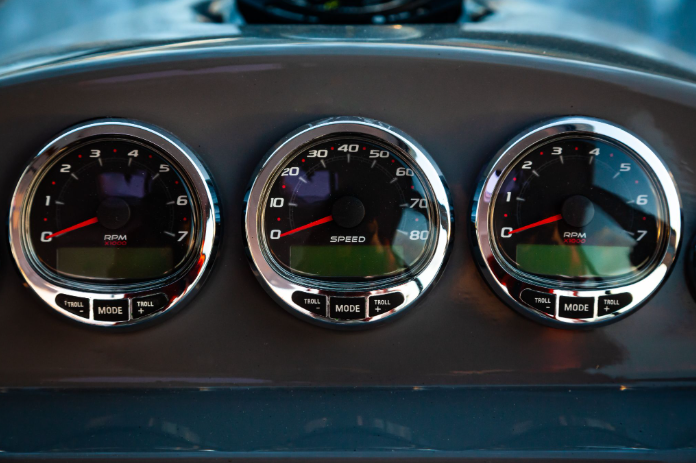
A Porsche dashboard provides essential information about vehicle speed, engine performance, fuel levels, warning lights, and other driving functions. When the display starts flickering, showing missing pixels, or going completely blank, it can make driving more difficult and raise concerns about the vehicle's condition. Porsche dashboard display problems can have several causes, ranging from aging LCD components to electrical faults and software issues.
For Porsche owners in the USA and Canada, identifying the cause early can help prevent unnecessary repairs and make it easier to choose the right solution. Models such as the Porsche 911, Boxster, Cayman, and Cayenne can experience different instrument cluster issues depending on their design, model year, and condition.
Common Porsche Dashboard Display Problems
Dashboard faults can develop gradually or appear without warning. Some of the most common symptoms include dim screens, missing display characters, flickering lights, and gauges that stop responding.
1. Fading LCD Displays and Missing Pixels
An LCD screen may become difficult to read when individual pixels stop displaying information correctly. Drivers might notice missing numbers, broken lines, dark spots, or characters that appear incomplete.
These issues have been documented in several Porsche instrument cluster designs, including certain 911 and Boxster models. Display deterioration can affect information such as the odometer reading, trip data, clock, and outside temperature.
The correct repair depends on the affected component and the instrument cluster design. A specialist can determine whether the display itself or another internal part needs attention.
2. Dim or Completely Blank Screens
A Porsche instrument cluster display may become unusually dim or stop showing information altogether. In some cases, the problem involves the LCD panel. In others, faulty backlight components or electronics on the circuit board may be responsible.
For example, certain first-generation Porsche Cayenne instrument clusters have documented LCD backlight problems. However, the cause of a blank display can vary between models.
Replacing the screen without identifying the actual fault may not resolve the problem. Proper testing helps determine whether the LCD, backlight circuit, power supply, or another component needs repair.
3. Flickering Dashboard Lights
Flickering dashboard lights can indicate an electrical problem, an unstable power supply, a connection fault, or an issue with the instrument cluster itself.
Drivers may notice that the display works normally at first but becomes unstable during a journey. The problem may disappear temporarily before returning.
Because several vehicle systems can cause similar symptoms, a technician should check the electrical supply and related components before recommending an instrument cluster repair.
4. Faulty Gauges and Incorrect Readings
A malfunctioning speedometer, fuel gauge, or temperature gauge can make it difficult to monitor the vehicle properly. Gauge needles may move erratically, stop responding, or display readings that appear inconsistent.
Possible causes include faults within the cluster, wiring problems, sensor issues, or communication errors between vehicle systems.
A diagnostic inspection can help establish whether the fault originates in the instrument cluster or another part of the vehicle.
What Causes Porsche Instrument Cluster Failure?
Several factors can affect dashboard electronics over time.
Age and component wear: Electronic displays, circuit boards, and internal connections can deteriorate with use. Older vehicles may be more likely to experience display-related faults, although the condition varies from one vehicle to another.
Electrical problems: Battery or charging system issues, poor connections, and unstable voltage can affect electronic components. Electrical checks are important when a dashboard flickers, resets, or stops working intermittently.
Temperature changes: Significant temperature fluctuations can affect some LCD displays. Porsche technical documentation has also addressed display readability and pixel-related concerns, making the symptoms and applicable model important when diagnosing the fault.
Software or communication faults: Some instrument cluster problems involve software rather than damaged hardware. Porsche technical information has documented specific display concerns that require software updates or programming procedures. These remedies apply to particular vehicles and should not be assumed to resolve every dashboard problem.
Understanding the possible causes helps owners avoid replacing components before the fault has been properly identified.
How Are Porsche Dashboard Display Problems Diagnosed?
The first step is to describe the symptoms clearly. Note whether the display is permanently blank, becomes dim after the vehicle starts, loses individual characters, or stops working intermittently.
A technician can then inspect the instrument cluster and check the vehicle's electrical system. Depending on the symptoms, the diagnostic process may include testing the power supply, checking relevant connections, reading fault codes, and assessing the display and its supporting electronics.
If a software issue is suspected, the vehicle may require model-specific diagnostic procedures. The appropriate repair method depends on the Porsche model, production year, cluster design, and fault identified.
Accurate diagnosis is particularly important when the problem affects essential information, such as vehicle speed or warning indicators.
Porsche Instrument Cluster Repair vs. Replacement
Repairing an instrument cluster may be possible when the fault is limited to a serviceable display, backlight component, or electronic part. Depending on the unit's condition, this may allow the original cluster to remain in the vehicle.
Replacement may be necessary when the damage is extensive or the faulty unit cannot be repaired reliably. A replacement must be compatible with the vehicle, and some models may require coding, configuration, or other electronic procedures.
Before choosing either option, ask for an explanation of the fault, the proposed repair, and any additional work required. Repair costs depend on the model, the damaged components, parts availability, and the complexity of the job.
How to Reduce the Risk of Further Dashboard Problems
Although electronic components naturally age, basic vehicle care can help identify problems early.
Keep the battery and charging system in good condition, investigate flickering displays promptly, and follow the manufacturer's instructions for dashboard cleaning. Avoid pressing hard on LCD screens, as pressure can damage delicate display components.
Do not ignore warning lights or unreadable gauges. If essential driving information is unavailable, arrange an inspection and avoid driving until the vehicle can be operated safely.
Owners should also avoid dismantling an instrument cluster without suitable experience and equipment. Incorrect handling can damage the display, connectors, or circuit board and make the repair more complicated.
Finding the Right Porsche Instrument Cluster Repair Service
A faulty dashboard display does not always mean the entire instrument cluster needs replacement. The right solution depends on whether the problem involves the LCD, backlighting, electrical connections, internal electronics, or software.
Dashboard Instrument Cluster provides instrument cluster repair services for vehicle owners seeking help with dashboard display and gauge problems. Porsche owners can review the available options through its Porsche instrument cluster repair service page and provide their vehicle details and symptoms when making an inquiry.
Before arranging a repair, confirm that the service covers your specific Porsche model and fault. Ask about diagnostic requirements, parts availability, turnaround time, warranty terms, and shipping arrangements if the instrument cluster must be sent by mail.
For Porsche owners across the USA and Canada, a proper diagnosis is the best starting point for restoring clear dashboard information and reliable instrument cluster operation. Addressing the problem early can also help prevent unnecessary replacement costs and ensure that important driving information remains available.
FAQs
1. What causes Porsche dashboard display problems?
Porsche dashboard display problems can result from aging LCD components, backlight failure, electrical issues, damaged connections, or software faults. The exact cause depends on the vehicle model and symptoms.
2. Can a Porsche instrument cluster be repaired?
Yes, some Porsche instrument cluster faults can be repaired without replacing the entire unit. The available repair depends on the damaged component, the cluster design, and its overall condition.
3. Why is my Porsche dashboard screen fading or showing missing pixels?
A fading screen or missing pixels may indicate LCD deterioration or an internal display fault. A specialist can inspect the instrument cluster to determine whether the display or another electronic component needs repair.
4. How much does Porsche instrument cluster repair cost?
The cost depends on the Porsche model, the type of fault, parts availability, and the repair required. A professional diagnosis can help establish the likely cost before work begins.
5. Why are my Porsche dashboard lights flickering?
Flickering dashboard lights may be caused by an unstable electrical supply, poor connections, a failing display component, or another electronic fault. Diagnostic testing can help identify the source.
6. Is it better to repair or replace a Porsche instrument cluster?
Repair may be suitable when the fault involves a serviceable component. Replacement may be necessary if the unit has extensive damage or cannot be repaired reliably. Compatibility and any programming requirements should be checked before replacement.
7. Can I drive my Porsche if the instrument cluster is not working?
Driving may be unsafe if the instrument cluster prevents you from reading your speed, warning lights, or other essential information. Arrange an inspection and avoid driving until the vehicle can be operated safely.

 English
 Arabic
 French
 Spanish
 Portuguese
 Deutsch
 Turkish
 Dutch
 Italiano
 Russian
 Romaian
 Portuguese (Brazil)