


Why Child Development Knowledge Matters for Australian Childcare Students
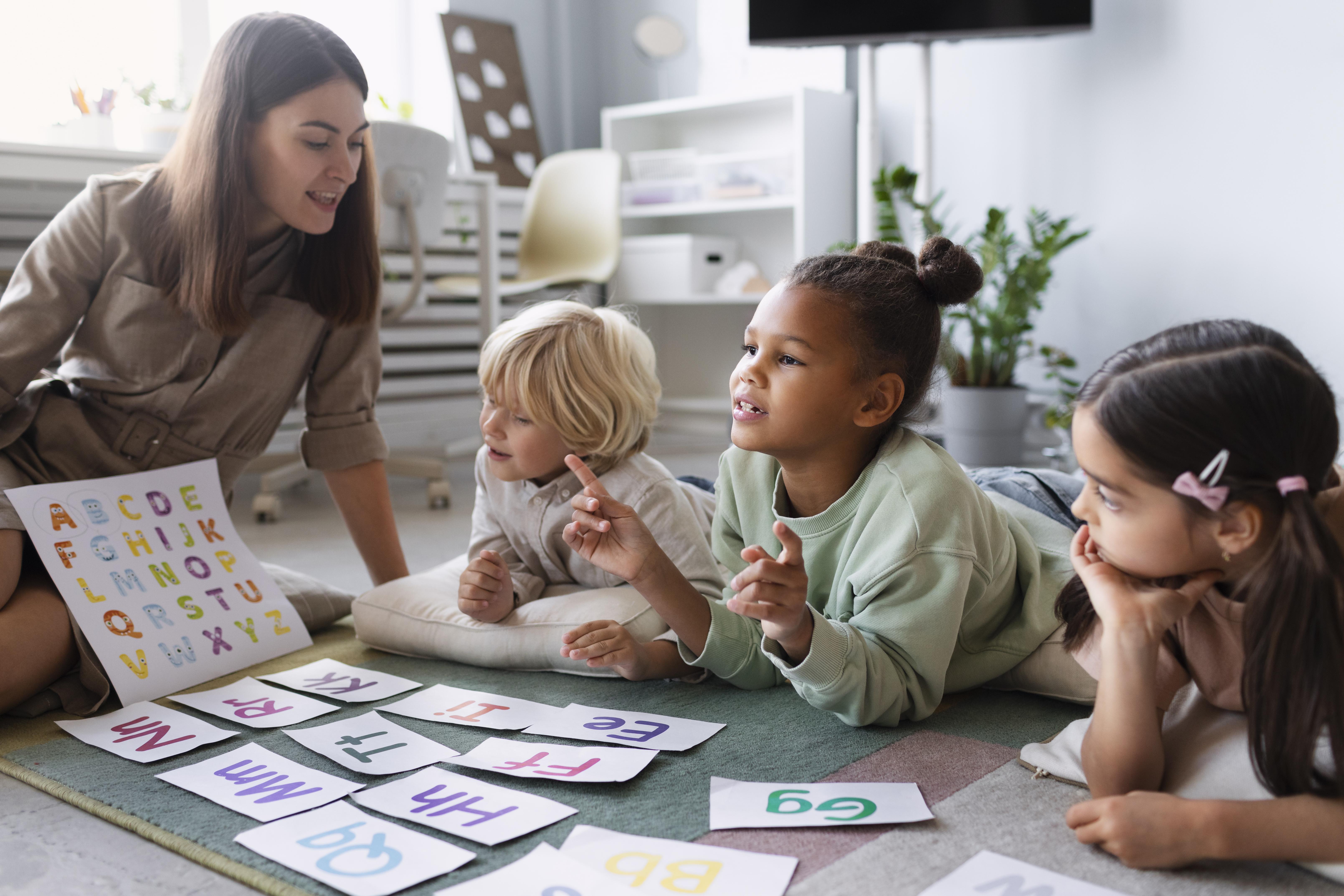
Child development knowledge is vital for Australian childcare students to be prepared to support young children. By understanding physical, cognitive, social, and emotional development, students may identify the needs of children and promote meaningful learning experiences. This article explains the importance of child development knowledge and how it enhances academic knowledge and professional preparedness.
Understanding the Different Areas of Development
Children grow in a number of related areas. Physical development involves changes in mobility, coordination, strength and independence. Cognitive development is everything about thinking, memory, language, curiosity and problem solving. Social development is about building relationships, sharing and cooperating. Emotional development is about identifying feelings and creating skills to cope with them. By knowing these areas, childcare students may look at each child as a unique with abilities and needs that may vary throughout time.
Children do not develop at the same speed. Students should not assume based on age but observe interests, strengths and progress of each learner.
Meeting Individual Learning Needs
Knowledge of development enables future educators to arrange experiences that are appropriate to children’s ages, talents, and interests. The activities should be challenging, but not beyond annoyance. Younger children may like sensory play, songs and basic routines, while older preschool children may enjoy imaginative play, puzzles, storytelling and group projects.
Children have various backgrounds, distinct personalities, different languages different needs for help. Inclusive practice is about adapting activities to meet the needs of all learners. This is accomplished by providing pictures for instructions, ensuring materials are accessible to all, allowing additional time or permitting alternate communication methods. It recognises individual diversity, rather than expecting everyone to learn in the same way.
Linking Theory to Everyday Practice
Child development theories are frameworks that help us understand how children learn and interact with the world. These views can be used by students to make sense of behaviour, to organise learning opportunities and to reflect on educational practice. But theory is more useful when related to everyday experiences in childcare settings.
An instructor that knows play helps learning can offer possibilities for exploration, creativity, language development and cooperation. Watching youngsters at play might indicate their interests and developing skills. With these observations, students can reflect on what an activity teaches and how an educator can prolong the learning experience.
Recognising developmental progress and concerns
Observation is a key element of successful childcare practice. Teachers are able to see new skills, interests, relationships and changes in behaviour by observing children during routines and activities. Objective recording of observations helps to avoid reliance on assumptions or imprecise impressions. Students must learn to state properly what they perceive and to think about the context in which it occurs.
Also, knowledge of development can assist instructors realise when a child might need extra help. It is not the job of the childcare student to diagnose a condition. Instead, complaints should be handled with proper workplace processes, involving qualified educators, families and authorised experts. The best ways to address the needs of children are through respectful communication and meticulous documentation.
Developing Strong Academic Skills
Students in childcare courses need to describe developmental principles, analyse situations, critique research, and connect evidence to practice. So, a strong academic talent is tightly related to professional knowledge. Students should use authentic academic materials to complete their childcare assignments. They should clarify essential concepts in their own words and back their discussion with relevant examples.
A clear structure of assignments also makes it easier to express difficult ideas. Students can start by working out the question, organising the main points and organising the evidence before they start drafting. They should differentiate between description and analysis. Instead of merely defining a theory, describe how a theory might influence an educator’s decisions. Proper referencing and proofreading also contribute to the quality of academic work.
Communication and Partnerships Development
Children’s development is affected by their relationships with their families, instructors and the wider community. Good childcare practitioners speak to parents and carers politely, listen to their understanding of the child and provide suitable relevant remarks. Students are required to respect confidentiality, culture sensitivity and professional boundaries.
Partnerships with families can assist educators in providing more consistent support. For example, talking about a child’s interests or daily routines might help promote consistent learning experiences across home and childcare. Those who have a grasp of development are in a better position to comprehend the significance of these relationships and to make a considered contribution as members of an educational team.
Preparing for a Responsible Career in Child Care
Safe environments, interesting activities, positive direction, and children’s wellness are all informed by developmental understanding. Students can deepen their learning by watching skilled teachers, asking questions and practicing with feedback.
Conclusion
Knowledge of child development can enable Australian childcare students to establish a basis for comprehending the requirements of individual children and promoting meaningful learning. It links academic theory to observation, inclusive practice, communication and responsible decision-making.
Students will use this understanding in study and supervised practice to approach childcare projects with more insight while preparing to establish secure, supportive and engaging environments for young students.
These foundations allow learners to understand that responsive care work involves careful observation, intelligent planning, building of respectful relationships and continuous reflection throughout their professional education.

 English
 Arabic
 French
 Spanish
 Portuguese
 Deutsch
 Turkish
 Dutch
 Italiano
 Romaian
 Portuguese (Brazil)
 Greek