


Your Limited Company Needs More Than a Tax Return: Choosing the Right Accountant in the UK
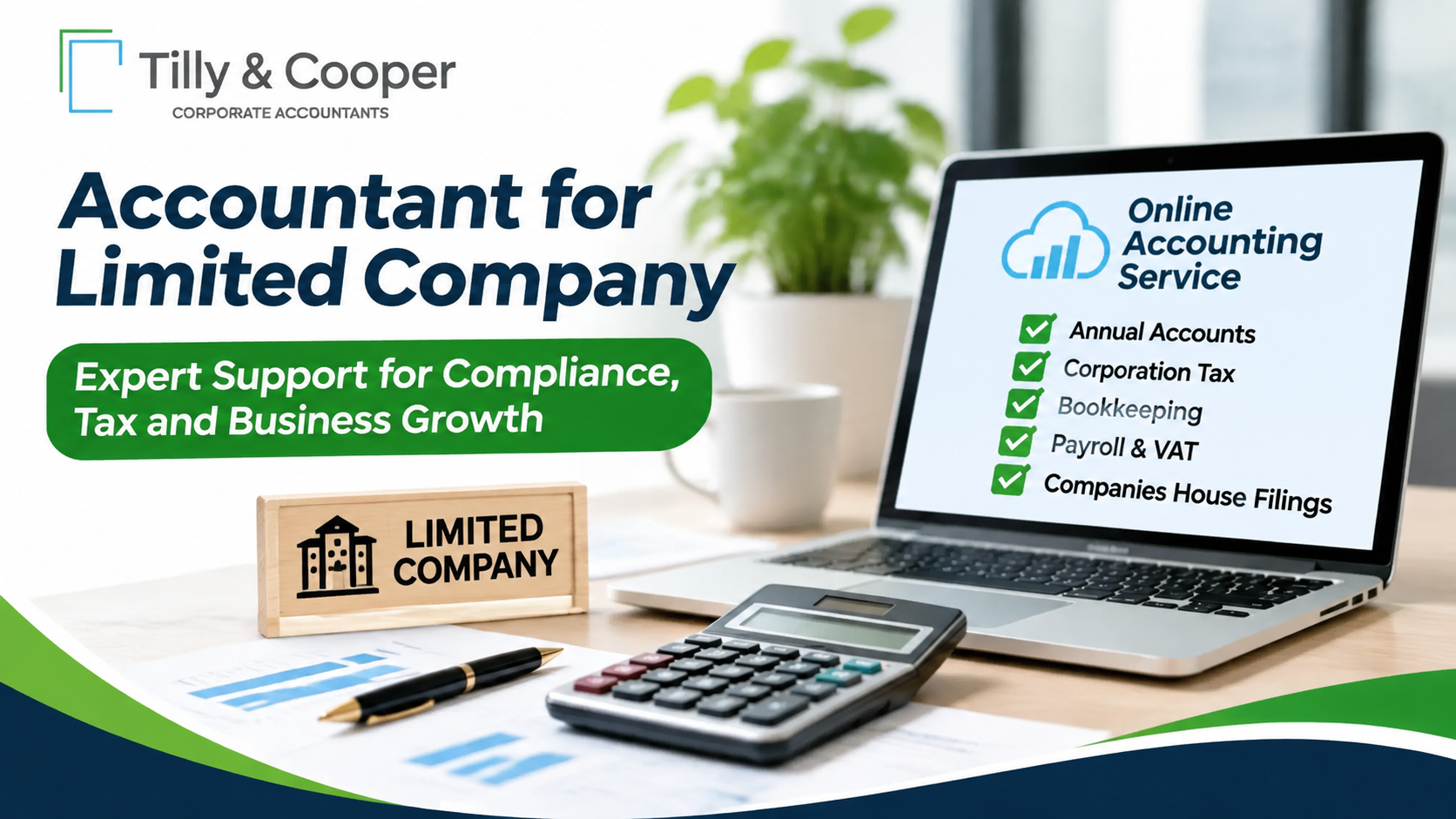
Running a limited company involves more than generating sales and keeping customers happy. Behind every successful business are financial records, tax responsibilities, reporting deadlines and decisions that influence long-term growth.
For many directors, managing these responsibilities becomes increasingly difficult as the company expands. Missing a filing deadline, misunderstanding a tax obligation or maintaining inaccurate financial records can create unnecessary complications.
This is why choosing the right accountant for limited company requirements is an important decision for business owners. The right professional can do more than prepare annual accounts. They can help directors understand their finances, manage statutory responsibilities and make better-informed business decisions.
With digital technology changing how financial services operate, an online accounting service can also make professional support more accessible and convenient.
But what should directors actually look for when choosing an accountant?
Why Does a Limited Company Need an Accountant?
A limited company operates as a separate legal entity. Its financial responsibilities are therefore different from those of an individual or sole trader.
Directors must ensure that the business maintains appropriate accounting records and fulfils its reporting obligations.
Some important responsibilities include:
-
Preparing and submitting annual accounts to Companies House.
-
Calculating and reporting Corporation Tax to HMRC.
-
Maintaining accurate records of income and expenditure.
-
Filing confirmation statements.
-
Managing payroll and PAYE responsibilities where applicable.
-
Handling VAT registration and returns when required.
-
Monitoring financial performance and business cash flow.
Although directors can manage certain accounting tasks themselves, professional assistance can make these responsibilities easier to coordinate.
An accountant also helps identify financial issues that may otherwise remain unnoticed until the end of the financial year.
What Makes the Right Accountant Different?
Not all accounting services provide the same level of support. Some focus mainly on statutory submissions, while others offer broader assistance with financial management and business planning.
Before selecting a provider, limited-company directors should consider several important factors.
1. Understanding Limited Company Requirements
Your accountant should understand the reporting and tax responsibilities associated with UK limited companies.
This includes statutory accounts, Corporation Tax calculations, Companies House requirements and relevant HMRC obligations.
An accountant who understands these responsibilities can help organise the company's financial information and identify upcoming compliance requirements.
2. Clear and Transparent Fees
Accounting costs should be understandable from the beginning.
Before agreeing to a service, ask what the quoted fee includes. Annual accounts, bookkeeping, VAT returns, payroll and additional tax advice may be charged separately.
A transparent quotation helps directors compare providers without discovering unexpected charges later.
3. Communication Beyond Filing Deadlines
Accounting support should not disappear once annual accounts have been submitted.
Business owners sometimes need assistance understanding unexpected expenses, reviewing financial reports or responding to HMRC correspondence.
Having access to clear explanations and timely communication makes the relationship more valuable.
4. Support That Can Grow With Your Business
A small company may initially require basic bookkeeping and annual accounts. As it expands, its requirements may include employees, VAT registration, management reporting and more detailed financial planning.
Choosing an accountant who can accommodate changing requirements can help avoid the disruption of switching providers later.
How Can an Online Accounting Service Make Business Management Easier?
Traditional accounting arrangements often involve exchanging paperwork, arranging meetings and manually sharing financial information.
Digital accounting has introduced a more convenient way to manage these activities.
An online accounting service allows businesses to exchange financial information, share documents and communicate with their accounting provider through digital channels.
Depending on the provider and package, services may include:
Digital Document Management: Directors can upload invoices, receipts, bank statements and other financial documents without relying entirely on physical paperwork.
Remote Communication: Meetings, updates and accounting discussions can take place online, making professional assistance more accessible.
Organised Financial Records: Digital systems can help businesses maintain organised transaction records and make information easier to retrieve.
Regular Financial Updates: Depending on the service, directors may receive reports that help them monitor income, expenses and cash flow.
Convenient Filing Support: Digital workflows can simplify the preparation and exchange of information required for statutory submissions.
However, online accounting does not automatically guarantee accurate financial records. The quality of the service still depends on the provider's expertise, review procedures and understanding of the company's circumstances.
Five Questions to Ask Before Hiring an Accountant
Choosing an accounting provider should involve more than comparing prices.
Consider asking these questions before making a decision:
-
Which services are included? Find out whether annual accounts, Corporation Tax and Companies House filings are covered.
-
Who will manage my accounts? Understand who is responsible for preparing, reviewing and submitting financial information.
-
How will we communicate? Establish whether support is available through email, telephone, video meetings or an online portal.
-
Are there additional charges? Ask about fees for bookkeeping, VAT returns, payroll and work outside the agreed package.
-
How are deadlines monitored? Find out how the provider tracks statutory filing dates and requests information from clients.
These questions help establish whether an accounting provider is suitable for your business rather than simply attractive because of its advertised price.
Accounting Services That Matter Most to Limited Companies
A good accounting arrangement should reflect the company's actual requirements.
Some of the most important services to consider include:
Annual Accounts Preparation
Annual accounts provide an overview of the company's financial position and performance.
They must be prepared in accordance with applicable accounting requirements and submitted to Companies House.
Businesses can explore annual accounts preparation services to understand the support involved in preparing statutory financial statements.
Corporation Tax Returns
Limited companies generally need to calculate their taxable profits and submit a Company Tax Return when required.
Accurate records and appropriate tax calculations are important for meeting HMRC responsibilities.
Bookkeeping and Financial Records
Bookkeeping involves recording business transactions, organising invoices and monitoring income and expenditure.
Consistent record-keeping makes it easier to prepare accounts and review financial performance.
For further information, see Tilly & Cooper's bookkeeping and record-keeping services.
Payroll and Director Payments
Companies employing staff must manage relevant payroll and PAYE responsibilities.
Directors may also need advice about salary and dividend arrangements, depending on their circumstances.
Management Accounts
Statutory accounts explain historical financial performance, but directors often need more frequent information to manage their businesses.
Management accounts can provide regular insights into profitability, expenditure and cash flow.
Why Businesses Should Look Beyond Basic Compliance
Submitting accounts and tax returns is essential, but financial information can also help directors make better business decisions.
For example, a company experiencing increasing sales may still face cash flow difficulties if customers take longer to pay invoices.
Similarly, rising revenue does not necessarily mean that profitability is improving.
Regular financial reviews can help directors identify these patterns and consider appropriate responses.
Tilly & Cooper's management accounts service provides information about financial reporting, cash flow analysis and business performance monitoring.
The wider objective is to make accounting information useful throughout the year rather than treating it as something that matters only when a filing deadline approaches.
Finding the Right Accounting Support for Your Company
Every limited company has different financial requirements. A newly established business may need help with its first annual accounts, while an established organisation may require bookkeeping, payroll, VAT and ongoing tax support.
Tilly & Cooper Corporate Accountants provides accounting and compliance services for UK businesses, including limited companies.
Its services cover annual accounts, Corporation Tax, bookkeeping, Companies House compliance and other business accounting requirements.
Directors can explore the Tilly & Cooper accounting services to understand the available support and identify services relevant to their circumstances.
The company also discusses the importance of professional accounting assistance in its guide, Do I Need an Accountant for My Limited Company in the UK?.
Before choosing a provider, directors should discuss their business activities, transaction volumes, filing responsibilities and expectations to establish an appropriate service arrangement.
Final Thoughts
Choosing an accountant is an important part of managing a limited company responsibly. The right professional should understand statutory requirements, communicate clearly and provide support that reflects the company's changing needs.
Digital solutions have made accounting more convenient, but technology should complement professional knowledge rather than replace it.
Whether you are launching a new business or managing an established company, look beyond basic filing services. Choose accounting support that helps you understand your financial position, remain organised and make informed decisions about the future of your business.

 English
 Arabic
 Spanish
 Portuguese
 Deutsch
 Turkish
 Dutch
 Italiano
 Russian
 Romaian
 Portuguese (Brazil)
 Greek