


How to Identify Cultural Influences in Maa Baglamukhi Festival Decorations
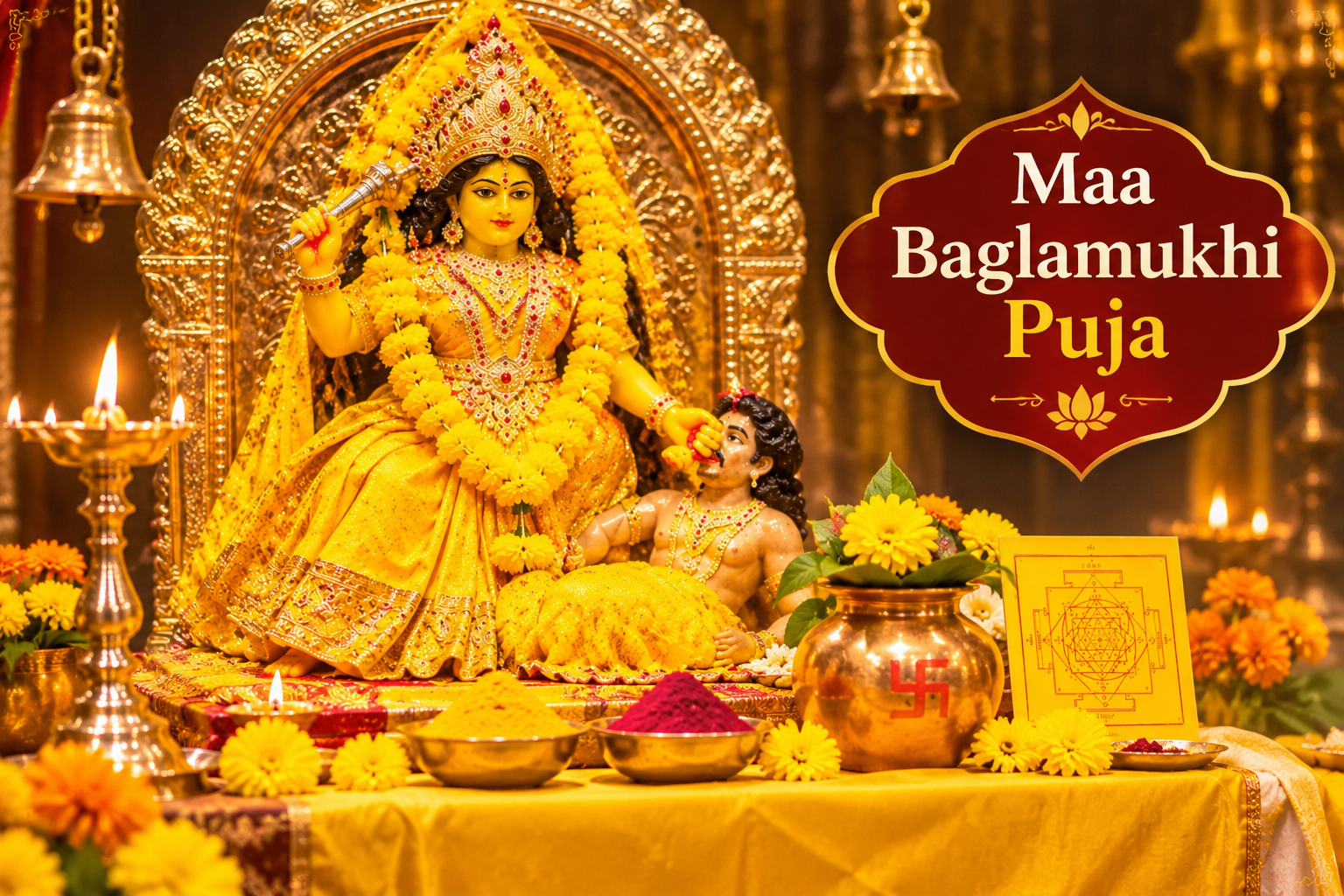
Festival decorations are an important part of religious celebrations. They help create a devotional atmosphere while reflecting the artistic traditions, local customs, and cultural identity of a community. During Maa Baglamukhi celebrations, decorations may include flowers, fabric arrangements, traditional patterns, lamps, entrance designs, and colours associated with the goddess.
However, these decorative elements are not always identical across temples and regions. Local materials, artistic styles, family traditions, and temple practices can influence how a celebration is arranged. Understanding these differences helps devotees appreciate the cultural meaning behind Baglamukhi festival decorations rather than viewing them only as visual arrangements.
By observing regional festival art, traditional decoration methods, and local cultural customs, visitors can learn more about how communities express their devotion to Maa Baglamukhi.
Why Cultural Influences Matter in Maa Baglamukhi Festival Decorations
Religious decorations often represent a combination of faith and regional creativity. A temple may follow established worship traditions while using decorative styles that reflect the surrounding community.
For example, flowers, cloth, lights, and handmade designs may be arranged differently depending on local availability and artistic preferences. These choices can make each celebration visually distinctive.
Cultural influences matter because they:
- Preserve traditional artistic practices.
- Reflect the identity of local communities.
- Connect younger generations with older customs.
- Show how religious celebrations adapt to regional environments.
- Help visitors understand the cultural background of temple festivals.
Not every decorative choice has a fixed religious meaning. Some elements may be connected with established worship customs, while others may simply reflect local creativity or practical arrangements.
1. Observe the Use of Traditional Colours
Colour is one of the easiest ways to identify cultural influences in festival decorations. In Maa Baglamukhi worship, yellow is a widely recognised traditional association. It may appear through flowers, cloth, decorative backgrounds, or other arrangements.
Yellow in Traditional Decorations
Yellow is commonly connected with Maa Baglamukhi worship and is often used during special devotional occasions. Its presence can be seen in temple entrances, ceremonial spaces, floral arrangements, and festival displays.
However, the exact use of yellow can differ between temples. Some may use it as the main decorative colour, while others combine it with red, white, orange, or other shades.
Regional Colour Preferences
Local artistic traditions can influence colour combinations. A community may prefer particular fabric shades, floral arrangements, or painted patterns based on its regional festival practices.
When identifying these influences, observe which colours are used repeatedly and whether they are connected with a specific local custom. Avoid assuming that every colour combination has a separate scriptural meaning.
2. Identify Regional Festival Art and Decorative Patterns
Regional festival art provides valuable clues about the cultural background of a celebration. Different parts of India have their own traditions of making decorative patterns, painting surfaces, and preparing ceremonial spaces.
Floor Art and Entrance Designs
Some temples or participating households may use traditional floor decorations near entrances or prayer areas. Depending on the region, these may include rangoli, kolam, alpana, or other locally recognised designs.
<escape>These patterns</escape> may use flowers, coloured powders, rice flour, or other materials. Their shapes and methods can reflect the artistic practices of the community.
For instance, geometric patterns, floral arrangements, and repeated motifs may be inspired by regional decorative traditions. Their presence during a Maa Baglamukhi celebration can show how local art becomes part of religious festivities.
Handmade Decorative Motifs
Look for repeated shapes, borders, and patterns on fabric hangings, banners, or temporary decorative structures. These may reflect local embroidery, painting, weaving, or craft traditions.
The most useful approach is to identify the design style first and then ask local organisers or knowledgeable artisans about its origin. This avoids assigning an incorrect cultural meaning to a pattern.
3. Understand the Role of Flowers and Natural Materials
Flowers are widely used in Hindu worship and temple celebrations. Their colours, fragrance, and arrangement contribute to the devotional atmosphere.
In Maa Baglamukhi festival decorations, yellow flowers may be especially noticeable because of the goddess's traditional association with yellow.
Regional Flower Choices
The flowers used in a temple can depend on seasonal availability, local agricultural practices, and community preferences. One region may use particular varieties more frequently than another.
The arrangement can also vary. Flowers may be used for garlands, entrance decorations, ceremonial spaces, or the decoration of the deity's surroundings.
Sustainable Traditional Decoration
Some communities use locally available leaves, flowers, natural fibres, and reusable materials. These choices can reflect practical knowledge passed down through generations.
When observing such arrangements, consider both their appearance and the methods used to prepare them. The choice of natural materials may reveal something about local resources and traditional craftsmanship.
4. Examine Fabric, Embroidery, and Textile Traditions
Fabric decorations can provide another useful way to recognise cultural influences. Temples may use coloured cloth, decorative borders, embroidered hangings, and traditional textile patterns during festivals.
The selection of fabric may reflect regional weaving and embroidery practices.
Local Textile Influence
Different regions have distinctive textile traditions. A decorative cloth may feature regional weaving patterns, embroidered details, printed motifs, or handmade borders.
These elements may be used in temporary festival arrangements, entrance decorations, or ceremonial backgrounds.
For example, a temple committee may choose locally produced fabric to support regional artisans or maintain a familiar decorative style. This does not mean every textile used in a festival has a direct religious significance.
How to Recognise Authentic Craft Details
Observe the texture, construction, pattern placement, and finishing of the fabric. If a design appears to represent a particular regional craft, ask an artisan or knowledgeable local person to confirm its origin.
This is more reliable than identifying a textile tradition based only on its colours or general appearance.
5. Notice Local Cultural Customs and Community Participation
Festival decorations are often prepared through collective effort. Temple committees, priests, volunteers, families, and local artisans may contribute to different parts of the celebration.
These activities can reveal cultural customs that are not immediately visible in the finished decoration.
Family and Community Traditions
In some communities, families help prepare flowers, arrange decorative materials, or create traditional patterns before a festival. These practices may be passed from older family members to younger participants.
The methods used to organise these activities can reflect local customs and community relationships.
Temple-Specific Practices
A temple may have established guidelines about where decorations should be placed, which materials are suitable, or how the worship area should be prepared.
These practices can differ from one shrine to another. Visitors should respect the temple's instructions instead of assuming that decorative customs are universal.
6. Compare Decorations Across Different Regions
Comparing festival arrangements can help identify regional influences more clearly. However, the comparison should focus on observable cultural features rather than deciding which style is more traditional or authentic.
|
Decorative element |
What to observe |
Possible cultural influence |
|
Colour combinations |
Main shades and repeated colours |
Regional preferences and religious associations |
|
Floor patterns |
Shapes, materials, and designs |
Local floor-art traditions |
|
Flower arrangements |
Flower varieties and placement |
Seasonal and regional practices |
|
Fabric decorations |
Weaving, embroidery, and borders |
Regional textile crafts |
|
Lighting |
Lamps and decorative arrangements |
Local festival customs |
|
Handmade motifs |
Repeated patterns and artwork |
Traditional artistic practices |
This comparison provides a practical starting point for understanding how regional festival art influences Maa Baglamukhi celebrations.
7. How to Learn the Meaning Behind Decorative Elements
Observing decorations is useful, but learning their background requires reliable information. A design may look familiar while having a different meaning in a particular community.
Follow these steps to understand the cultural context more accurately:
- Speak with temple organisers: Ask who planned the decorations and whether they follow an established local tradition.
- Learn from local artisans: They may explain the origin of patterns, fabrics, and handmade decorative techniques.
- Observe repeated customs: Notice which elements appear every year and which are introduced for a particular celebration.
- Consult regional cultural resources: Books, local publications, and heritage records may provide information about traditional art forms.
- Respect temple guidelines: Do not touch, move, or photograph restricted decorations without permission.
- Separate facts from interpretations: Describe documented traditions clearly and present personal or devotional explanations as beliefs.
These steps help visitors appreciate cultural details without spreading incorrect information.
8. Preserve Traditional Decoration Practices for Future Generations
Traditional decoration methods can become less familiar when handmade practices are replaced by ready-made materials. Preserving regional knowledge can help maintain the cultural character of religious festivals.
Temple committees and community members can document traditional patterns, record the names of local crafts, and involve experienced artisans in festival preparation.
Younger participants can learn simple skills such as flower arrangement, traditional floor art, fabric decoration, and responsible material selection.
Preservation does not require every temple to use exactly the same designs each year. Communities can introduce modern decorative ideas while continuing to respect established customs and local artistic traditions.
Conclusion
Identifying cultural influences in Maa Baglamukhi festival decorations involves looking beyond colours and visual beauty. Traditional patterns, flowers, textiles, handmade artwork, and community participation can reveal how regional culture shapes religious celebrations.
Baglamukhi festival decorations provide an opportunity to appreciate the connection between devotion, regional festival art, and cultural customs. By learning from temple organisers, local artisans, and reliable heritage sources, devotees can understand these decorative traditions more accurately and help preserve their value for future generations.

 English
 Arabic
 French
 Spanish
 Portuguese
 Deutsch
 Dutch
 Italiano
 Russian
 Romaian
 Portuguese (Brazil)
 Greek