


Cast Steel Floating Ball Valve Design and Applications
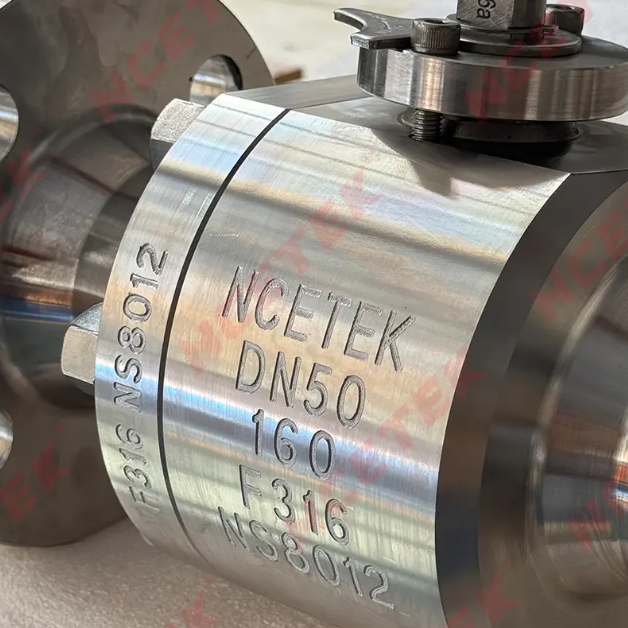
Cast steel floating ball valves are widely considered for industrial pipelines that require practical flow control and dependable shut-off. Their structure combines a cast steel body with a floating ball that moves slightly under fluid pressure to establish contact with the downstream seat. When selecting a Cast Steel Floating Ball Valve, buyers should evaluate the body material, ball and seat arrangement, operating conditions, manufacturing quality, and applicable inspection requirements to ensure that the selected product matches the pipeline application.
The casting process allows manufacturers to produce valve bodies with different shapes and internal configurations. Molten steel is poured into a prepared mold and allowed to solidify into the required component form. After casting, the body may undergo cleaning, heat treatment where required, machining, and inspection. These processes help establish the dimensions and material characteristics needed for the finished valve. Casting quality is important because the body forms the main pressure-containing structure and supports the internal components.
Material selection should begin with the characteristics of the transported medium. Cast carbon steel is commonly considered for general industrial services, while cast stainless steel may be selected where corrosion resistance is required. Other alloy materials can be evaluated for specific operating environments. Temperature, pressure, chemical composition, and potential contamination all influence material suitability. Buyers should provide accurate process information so that the manufacturer can recommend an appropriate body and trim material combination.
The floating ball structure is relatively straightforward in principle. The ball is not fixed by a separate trunnion support system. Instead, it is held in position by the seats and related internal components. When the valve closes, upstream pressure can push the ball toward the downstream seat, helping create the sealing contact. This design is commonly used in certain valve sizes and pressure conditions. Its suitability depends on the mechanical loads, seat materials, and pressure requirements of the application.
The ball's surface condition and dimensional accuracy are important for effective sealing. The ball must rotate smoothly while maintaining the required contact relationship with the seats. Machining and finishing processes help achieve suitable geometry and surface quality. Manufacturing variation can affect operating torque, contact pressure, and shut-off performance. For this reason, inspection of critical dimensions and sealing surfaces should form part of the production process.
Seat materials are selected according to the operating environment. Polymer-based seats are commonly used in applications where their temperature and chemical compatibility are suitable. They can provide effective sealing through controlled contact with the ball. For certain demanding services, alternative seat structures may be considered. The final choice should account for the medium, pressure, temperature, operating frequency, and required leakage criteria. A seat material suitable for water service may not be appropriate for every chemical or industrial process.
The stem connects the operating mechanism to the ball and transfers the torque needed to open or close the valve. Its dimensions, connection structure, and sealing arrangement influence operation and external leakage control. Depending on the product design, additional features such as anti-static arrangements or stem retention structures may be incorporated. Buyers should review the specific valve design and confirm which features are included in the selected model.
Operating methods vary with valve size and automation requirements. Manual handles may be used for smaller valves or installations with limited operating frequency. Gearboxes can provide mechanical assistance, while pneumatic and electric actuators may be selected for remote operation or integration into automated systems. Actuator selection should consider the valve's operating torque, available power, control requirements, and installation space. The actuator should be matched to the actual valve configuration.
Quality control involves more than checking the finished product's external appearance. Depending on the applicable standards and project specification, inspection may include casting examination, material verification, dimensional measurement, visual checks, pressure testing, and functional testing. The body and closure components must meet the approved requirements, while the assembled valve should operate correctly. Buyers should confirm the testing scope and documentation required for project acceptance.
A Cast Steel Floating Ball Valve may be used in water treatment, general industrial pipelines, chemical processing, oil and gas facilities, and other process systems. Different applications require different material and sealing arrangements. For example, a pipeline handling corrosive media may require a different material combination from one transporting clean water. Operating temperature and pressure also influence the choice of seat structure and valve configuration.
Installation and maintenance conditions should be considered before ordering. Buyers should verify pipeline connection dimensions, flow direction requirements where applicable, actuator clearance, and access for routine inspection. Maintenance planning may involve checking the operating mechanism, external sealing components, and internal parts according to service conditions. Clear technical documentation helps operators understand the product structure and follow appropriate maintenance procedures.
Selecting a suitable valve requires a complete review of the body construction, floating ball mechanism, seat material, stem arrangement, and inspection requirements. Buyers should provide accurate service information and discuss special project needs with the manufacturer before production. This approach helps reduce specification gaps and supports better coordination during procurement and installation. For industrial ball valve products and configuration information, visit https://www.ncevalve.com/product/

 English
 Arabic
 French
 Spanish
 Portuguese
 Deutsch
 Turkish
 Dutch
 Russian
 Romaian
 Portuguese (Brazil)
 Greek